


























































































General Description of the Lich
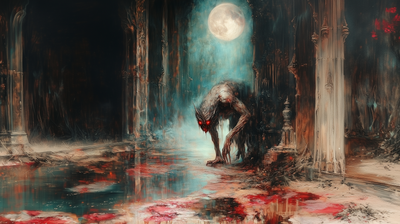
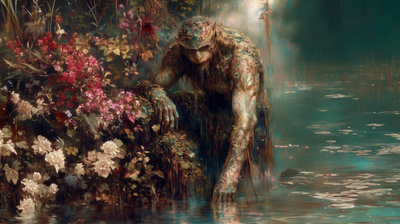
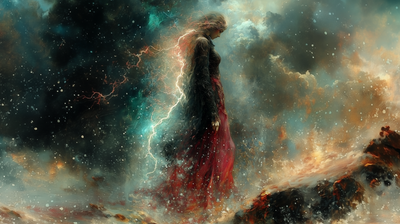
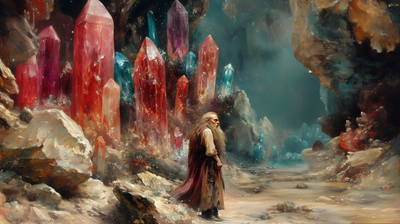
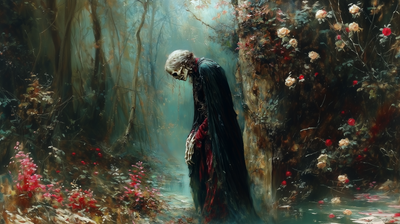
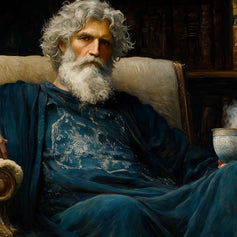
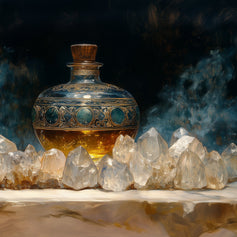
The Lich is a creature from Slavic and European folklore, described as an undead sorcerer who has achieved immortality by binding their soul to a magical object called a phylactery. This creature is often depicted as a skeleton dressed in tattered robes, imbued with formidable magical powers. In Slavic legends, as well as in broader European tales, the Lich symbolizes the ultimate demonstration of mastery over necromancy and the quest for immortality through magical means. The Lich retains considerable power over life and death, capable of controlling hordes of undead beings.
This macabre figure is particularly dangerous due to its intelligence and vast magical knowledge, often used for selfish or malevolent purposes. As long as its phylactery remains intact, it is impossible to kill it permanently. This duality between formidable power and hidden fragility makes the Lich both fascinating and feared in legends.
Lich Correspondence Table
| Stones | Obsidian, onyx |
| Colors | Black, dark gray |
| Plants | Mandrake, aconite |
| Signs | Scorpio, Capricorn |
| Planet | Saturn (symbol of death and dark wisdom) |
| Offerings | Ashes, bones, magical objects |
Symbols and Appearances
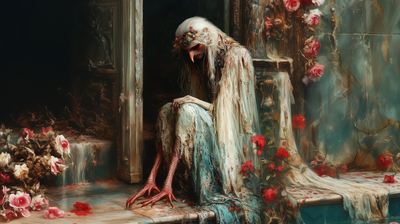
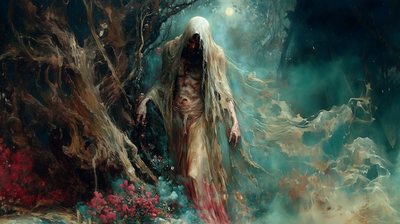
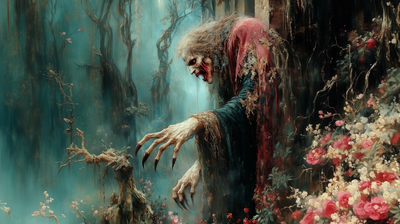
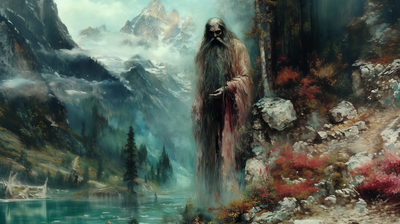
The Lich is typically depicted as a skeleton or desiccated corpse, wrapped in ancient, torn clothing, with glowing eyes reflecting its power. It is often surrounded by a dark and icy aura. Due to its connection with necromancy, it is often described as a guardian of treasures or as a being seeking to increase its power over the world of the living and the dead.
Lich Genealogy
The Lich has no divine genealogy in Slavic mythology. It is rather considered a sorcerer who has voluntarily chosen immortality through black magic, thus joining the ranks of the undead. It is often compared to figures such as Koschei the Deathless, who also possesses a special object containing his soul, making his death nearly impossible.