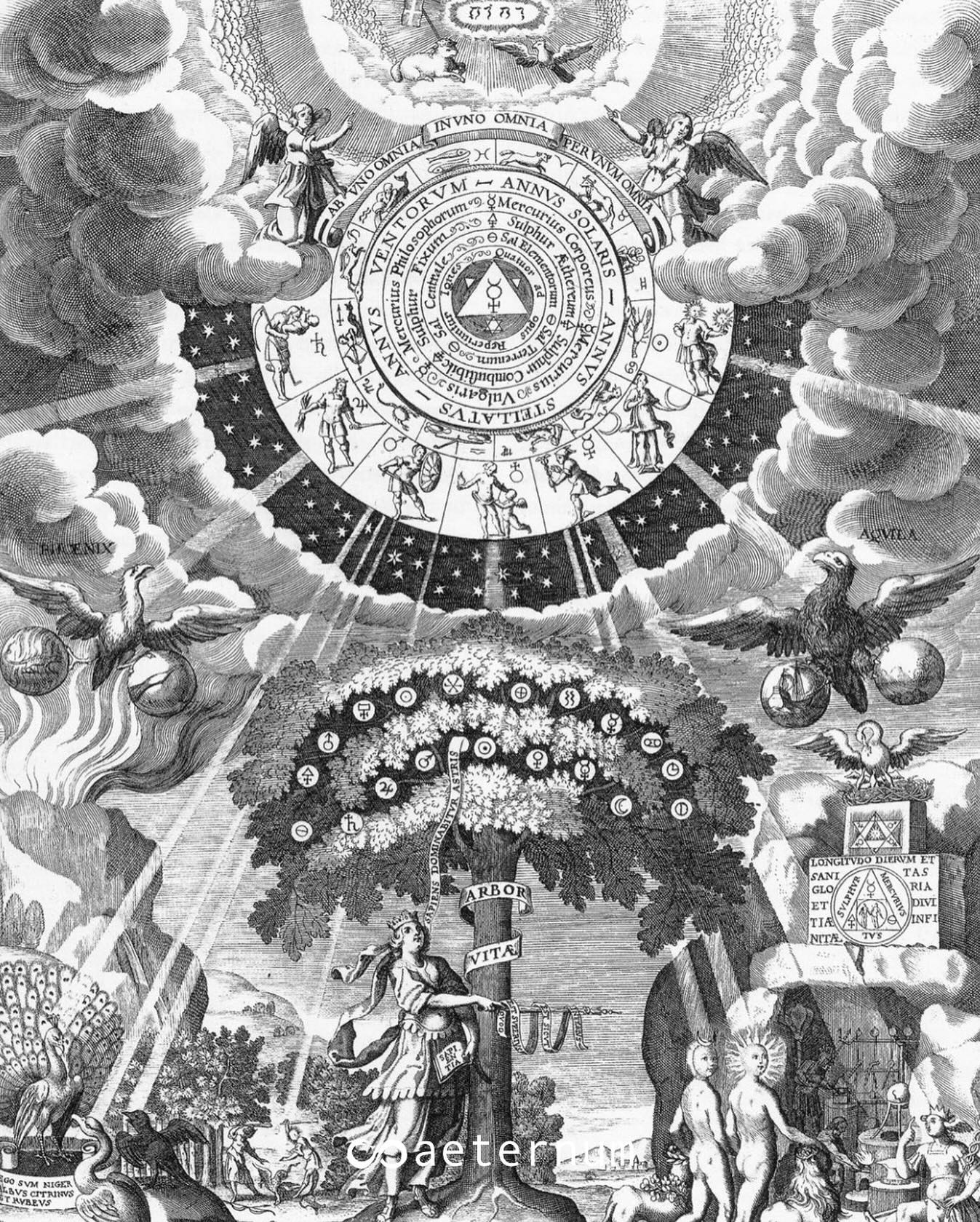
Assemble your Wiccan supplies at Aeternum with the tools, books, and accessories useful for your practice: athame, wand, chalice, pentacle, candles, incense, altar items, and books dedicated to the sabbats.
If you are building your first altar, start with a few simple pieces: a stable base, a candle, a chalice or cup, and then the tools your tradition actually uses. The Athames & Bolines, Wands, Cups & Chalices, and Altars collections let you move forward without buying at random.
The eight sabbats shape many Wiccan practices: Samhain, Yule, Imbolc, Ostara, Beltane, Litha, Lughnasadh, and Mabon. Sabbat Books and Wicca Books provide the guidance needed to organize celebrations and understand the role of the equipment.
To complete the altar, browse ritual incense, ritual candles, and herbs according to the intended work. The right set is the one in which every object has a clear purpose in your rite.
Wicca is a spiritual practice that celebrates nature, the cycles of time, and the harmony between visible and invisible forces. Inspired by ancient traditions and adapted to the modern world, it is based on a respect for the elements and magical work centered on intention. More than just a belief, it is embodied through rituals, celebrations, and a personal connection with the energies that shape the universe.
Wicca is based on a deep connection with natural forces and the energies that flow through every being and element of the living world. This practice is rooted in the cycles of time and emphasizes the connection between intention and action. Through the rituals and tools it uses, it creates a sacred space where energy takes shape and is directed toward a specific goal. Whether in celebrating the seasons, calling upon the elements, or passing on knowledge, Wicca forges a link between the visible and the invisible.
Wiccan rituals, whether individual or collective, strengthen this connection with the spiritual world. Some take place outdoors, close to earthly energies, while others happen in dedicated circles, where the elements and tools structure the practice. Respect for nature, listening to energies, and aligning with lunar and solar cycles allow practitioners to channel their intentions with greater precision.
Each Wiccan celebration follows the rhythm of the sabbats, which mark the changing seasons, and the esbats, aligned with the lunar movements. These practices honor natural transitions and adapt rituals to the present forces. The sabbats, spread throughout the year, celebrate the rebirth of the sun, the abundance of the harvest, the winter rest, and the passage from light to shadow. Each represents an opportunity to set intentions, perform spiritual work, or pay tribute to the deities associated with Wicca.
The esbats, linked to the different lunar phases, influence the magic practiced. A full moon enhances spell power and the execution of strong energy work, while a waning moon supports rituals of release and banishment. Each phase brings a specific nuance to the practice and guides spells according to the available energy.
Air expresses itself through incense and burning herbs that carry intentions. Water finds its place in cups and chalices, where it symbolizes the fluidity of emotions and intuition. Fire illuminates rituals with the light of candles and the energy of flames. Earth manifests through stones, plants, and offerings placed on the altar. Each element integrates into the practices, giving special strength to ceremonies and invocations.
The tools used in Wicca are not mere accessories; they concentrate energy and facilitate spiritual work. The athame, a symbolic blade, helps direct energy and cast protective circles. This ritual knife, often double-edged, is not used to cut physical objects, but to channel energy within the magic circle. The chalice, filled with water, wine, or a ritual infusion, embodies receptivity and the union of spiritual forces. Associated with the moon and the element of water, it symbolizes the connection between the material world and the subtle realm.
The pentacle, generally engraved on wood, metal, or stone, acts as an anchor point. Placed at the center of the altar, it enhances concentration and protects rituals by stabilizing the energies invoked. The ritual wand, often made from sacred wood, is used to invoke the elements, channel intentions, and trace magical symbols in the air. Each tool, chosen with care, resonates with the sensitivity of the person using it and the tradition they follow.
Herbs and plants play an essential role. Each plant has a specific affinity that strengthens magical work. Some promote protection, while others support spells for harmony or prosperity. Lavender, vervain, chamomile, sage, and countless other plants are used in the preparation of infusions, fumigations, and ritual preparations. Herbs are gathered and prepared with respect, taking into account the lunar and solar correspondences that influence their energy.
How to maintain the momentum after a success ritual?
The wiccan altar becomes the center of a consecrated space, where tools and symbols find their place according to each person's affinities. Some place candles, stones, and natural objects related to the energy they wish to work with. An altar can be permanent or changed according to cycles and current intentions. It often consists of elements linked to the four directions: salt or stones for earth, a cup of water, incense or a feather for air, and a candle for fire.
The magic circle, drawn at the beginning of a ritual, defines a space where energy flows without disturbance. It closes once the work is done, allowing the intention to spread without interference. Preparing a ritual involves a conditioning that harmonizes the mind and the place, creating a moment where the connection with the invisible becomes more perceptible. Some practitioners recite invocations, sing hymns, or draw symbols to strengthen the presence of the called energies.
The place dedicated to wiccan practices can be indoors, in a carefully arranged space, or outdoors, in direct contact with nature. A circle of stones, a sacred grove, or a simple campfire then becomes the center of the ritual. What matters most is the intention and focus put into every gesture, every word, and every offering.
Wicca is both a spiritual path and a magical tradition that celebrates nature and the energies that animate it. Some people consider it a religion because it involves a connection with deities and follows codified rituals, while others see it as a personal journey focused on experimentation and intuition. It is based on respect for natural cycles and the conscious use of energy to influence the world around us.
What are the fundamental principles of Wicca?
Wicca is based on the idea that every being is connected to the universe and that energy can be directed through ritual and magical practices. The principle of "do what you will, as long as it harms no one" guides the choices and actions of practitioners. The balance between forces, respect for living beings, and understanding the cycles of time are at the heart of this approach.
Who can practice Wicca?
Wicca does not require any specific initiation to be practiced. Anyone can take an interest in it and adapt their practice according to their affinities. Some prefer to follow structured teaching and join a coven, while others develop a solitary approach where exploration and experimentation play an important role.
Do Wiccans believe in a deity?
Wicca recognizes the existence of spiritual forces that take various forms according to each person's sensitivities. Some traditions honor a Goddess and a God, representing the complementarity of feminine and masculine energies. Others turn to deities from different cultures or prefer to work with the elements without a specific divine reference.
Why are lunar and solar cycles important in Wicca?
The lunar and solar cycles set the rhythm for Wiccan practice by influencing the energies available for rituals. The Moon, changing and fluid, supports spells and intuitive practices. The Sun, stable and powerful, marks the major milestones of the year through the sabbats. Following these cycles allows you to align your intentions with natural movements and enhance the effectiveness of rituals.
How are the products prepared?
All products listed as in stock are prepared within 24 hours from order confirmation (excluding weekends and holidays).
Our packages are prepared by our own team with care to ensure the protection of your products.
What are the delivery methods?
We currently offer delivery via Mondial Relay or Colissimo. Find more information here.
What is the delivery time?
The delivery time starts from the shipment of your package, and we indicate the average times observed by our carriers at the time of order. You can check our delivery methods and rates directly here.
To which countries do you ship?
We ship orders to France, Belgium, Switzerland, Monaco, and Luxembourg.
Other destinations will be available soon.
— The Carnets d'Aeternum
, practices and history of Magic.
A condensed collection of knowledge to feed your curiosity.
Aeternum is first and foremost a small, passionate French team that selects, packs, and ships more than 2,500 items dedicated to spiritual paths from around the world. Far from clichés, we value traditional practices and source our products as close as possible to local communities, offering ritualized, charged, and authentic products. We ship everywhere in France, Belgium, Switzerland, Luxembourg, Monaco, Réunion, French Guiana, Guadeloupe, Martinique, Mayotte, Saint Barthélemy, Saint Martin, New Caledonia, Italy, Spain, Portugal, Germany, the Netherlands, Canada, and the United States within 24 to 48 hours, and we remain available to answer your questions, whether you are preparing an altar, purifying a space, or simply looking for the right product. Our commitment is simple: to offer sincere, meaningful objects and support you with kindness on your own path. Whether out of curiosity or conviction, come and discover our esoteric bookshop, our incense, our ritual candles, our crystals, or our magical apothecary!