



















































































































|
IN THE TABLE OF CONTENTS...
1. Introduction to the Litha Sabbat |
The Litha sabbat is a pagan celebration that takes place on June 21 (sometimes as early as June 20) in the Northern Hemisphere, during the summer solstice. It is the longest day of the year, marking the peak of solar power. It is a time to celebrate the light and the abundant growth of nature. In this article, I introduce you to this sabbat, which marks the halfway point of the year.
1. Introduction to the Litha Sabbat
As I said in the introduction, the Litha sabbat represents a high point in the pagan calendar, specifically in the Wiccan tradition and more broadly in various neo-pagan practices. It takes place around June 21 in the Northern Hemisphere, marking the longest day of the year.
This sabbat has echoes in ancient summer solstice celebrations, such as those of the Celts and Norse, where bonfires were lit to protect against evil spirits and encourage the fertility of the earth. These practices were often accompanied by dancing, singing, and feasting. In ancient Rome, the festival of Vestalia, honoring Vesta, the goddess of the hearth, also took place in June and shared similarities with contemporary Litha celebrations in terms of themes of light and life.
In Nordic traditions, this period was associated with Balder, the god of light, and celebrated with fires to dispel the darkness. Among Slavic peoples, the Kupala festival involved water and fire rituals to ensure purity and fertility. In Native American traditions, the solstice may be a time for specific ritual celebrations that align communities with the natural cycles of the Earth and Sun.
2. The Meanings of Litha
Like every sabbat, Litha has its own meanings and symbolism to learn about in order to fully understand the essence of this celebration.
2.1. The Battle Between the Oak God and the Holly God
The Oak God represents strength, growth, and expansion. He reigns during the waxing half of the year, from Yule (the winter solstice) to Litha (the summer solstice), symbolizing the growth and vitality of spring and early summer. He is often associated with the strength and vitality of the sun at its zenith.
The Holly King takes over for the descending half of the year, from Litha to Yule. He is associated with preparing for the darker and colder months, symbolizing the decline of light after the peak of the summer solstice. He represents preservation, protection, and inner preparation for the challenges ahead.
At Litha, the Oak King is at the height of his strength, but he is defeated by the Holly King, signifying the beginning of the decline of the light as the days begin to shorten after the summer solstice.
2.2. The power of the sun
The sun is, unsurprisingly, the central symbol of Litha, representing its strength, vitality, and peak power. It is a time to celebrate the light at its maximum, symbolizing spiritual illumination and clarity. The sun is often represented in Litha art and on altars by solar disks, depictions of radiant suns, and the abundant use of yellow and gold.
2.3. Purification by fire
Fire is the essential element of Litha celebrations, symbolizing purification, energy, and protection. Bonfires are common at festivities (like those of Beltane), serving to ward off evil spirits and encourage the fertility of the earth by imitating the sun. Fire also symbolizes transformation, helping participants rid themselves of the old to make way for the new.
2.4. Harvesting plants and herbs
Several plants are particularly associated with Litha because of their medicinal or magical properties, or simply because they are at their peak in summer. The oak is sacred to Litha because it is linked to strength and resilience, and because the oak is often considered the king of trees, reaching its full power when the sun is strongest.
Other common plants include lavender (for purification and tranquility), St. John's wort (used to ward off evil spirits and encourage protection), and sage for purification, among others.
It is also customary to harvest these plants at Litha because they represent powerful ingredients for potions and decoctions, brimming with magical power.
From this guide
Put it into practice
A selection of products to support your reading and practice.


3. Litha celebrations
To celebrate this sabbat, you can plan several activities that are particularly suited to this time.
3.1. A walk in nature
Litha is an ideal time to reconnect with nature, enjoy its generous gifts, and observe life in all its splendor. On the longest day of the year, a walk in nature is not merely a pleasant activity; it is a true immersion in a world where warmth, light, and life are at their peak.

During such a walk, there is an opportunity to see the flora and fauna in full bloom. The trees and bushes are laden with leaves, often in flower, releasing captivating fragrances and attracting a myriad of pollinating insects. The fields and meadows are strewn with wildflowers, creating a colorful carpet that ripples beneath the warm summer breeze. It is the perfect time to observe the diversity of pollinators, from industrious bees to butterflies with intricate patterns, all actively contributing to the ecology of plant reproduction.
Wildlife is also more visible, with animals enjoying the abundance of food and the warmth of the sun. It is common to see birds feeding their young or to catch sight of mammals searching for food. This wealth of wildlife offers a fascinating spectacle and a powerful reminder of the interconnectedness of all living beings.
The warmth itself, although sometimes intense, is a blessing that stimulates the growth and flourishing of many ecosystems. It invites us to slow our pace, take the time to appreciate the sun on our skin, and breathe deeply the air filled with the scents of summer.
3.2. A bonfire
Litha, the summer solstice, is naturally connected to light and warmth at their peak. The bonfire, a central symbol of this celebration, embodies not only the power of the sun at its zenith but also the inner fire that drives us. Organizing a bonfire during Litha offers the perfect opportunity to gather friends and family for a moment of sharing and conviviality, strengthening bonds and celebrating the joy of summer together.

This fire ritual carries deep meaning: it symbolizes purification and renewal, with the flames consuming the old to make way for the new. The fire also attracts positive energies and repels negative ones, creating a sacred space where Litha's magic can fully express itself.
Beyond its ritual importance, the Litha bonfire is a place of festivity. Participants can gather to sing, dance, and share seasonal dishes, reflecting the abundance of the earth at this time of year. It is a time to express gratitude to nature, celebrate its generosity, and immerse oneself in the golden light of the solstice.
3.3. The Litha Altar
Preparing the altar for Litha is a solemn practice. When preparing the altar, consider incorporating elements representing the sun, fertility, and abundance to honor this period of maximum light and growth.
The colors chosen for the decoration, such as yellow, orange, red, and green, reflect the sun's dazzling light and the earth's lush abundance. Solar symbols such as sun discs or yellow and gold candles are used to pay homage to the source of all life and energy.

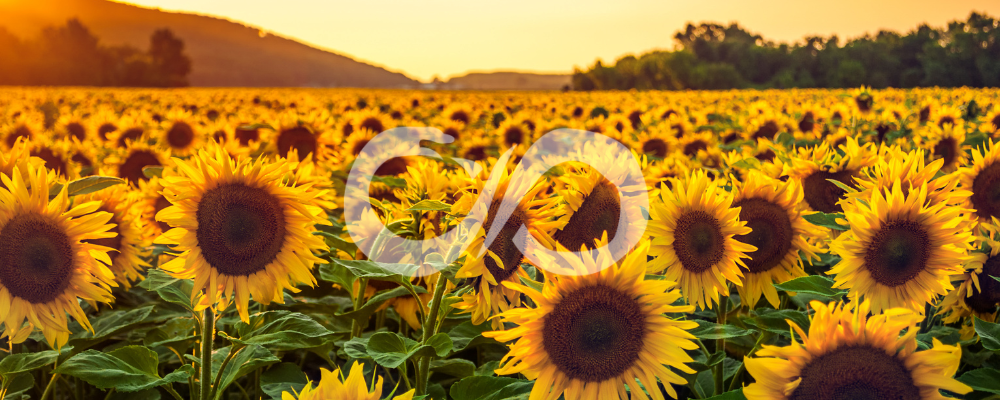
The altar can be adorned with summer flowers such as sunflowers, daisies, and lavender, as well as fresh herbs like thyme and rosemary, which are at their peak at this time of year. Crystals such as amber, which evokes a connection with the sun, and clear quartz, a symbol of clarity and purification, are also incorporated.
Natural elements such as oak or holly branches add a dimension of mythical conflict between the Oak King and the Holly King. Finally, figures or images of animals associated with Litha, such as bees and butterflies, symbolize transformation and productivity, further enriching the ritual tableau of this summer celebration.
3.4. The Litha Meal
Preparing a meal for Litha of course uses seasonal ingredients that celebrate the abundance of this time of year. The month of June offers a wonderful variety of fruits and vegetables such as strawberries, cherries, tomatoes, zucchini, and peppers.
You can thus prepare salads, gazpacho, grilled fish, roast chicken, potato-based side dishes, honey cakes,...
4. Contact with other worlds
Litha is often considered a magical time when the veil between the physical world and the spiritual realms is exceptionally thin, just as during Samhain, the other important transition point of the Celtic year. This thinness of the veil allows easier interaction with the elements and supernatural beings of the other world, such as fairies, spirits, and other mythical entities of the little people.
According to the traditions and legends associated with Litha, the spirits of the dead are also more present and accessible during this period, able to cross the boundaries between worlds more easily. It is a favorable time for spiritual communication and mediation with the afterlife, adding another dimension to the celebrations and rituals practiced.

A particular legend surrounds the use of St. John's wort during the night of Litha. This plant is associated with the fairy world. It is said that accidentally stepping on St. John's wort during Litha evening opens a passage to the land of the fairies, an enchanting and mysterious realm. Although alluring, this experience is also full of warnings: the fairy world is known for its traps and tricks, and time passes there differently than it does in our world.
5. Litha correspondences
| Stones | Amber, Jade, Tiger's Eye, Ruby, Rock Crystal |
| Planets | Sun |
| Day | The day of the summer solstice, generally around June 21 |
| Deities | Apollo, Balder, Freya, Lugh, Helios, Ra |
| Creatures | Fairies, Elves, Dragons, Phoenixes |
| Plants | St. John's wort, Lavender, Sage, Rosemary, Oak |
| Signs | Cancer (the astrological sign of the summer solstice) |
| Direction | South (associated with the sun's zenith, heat, and light) |
| Element | Fire (representing the power and light of the sun at its peak) |
This concludes our exploration of the Litha sabbat, and I hope you feel ready to celebrate it according to tradition. That said, remember that you should feel comfortable, so you can incorporate elements or activities that you enjoy.
6. Other articles about Litha?
Go further by reading our other articles about the Litha sabbat:
- What is the Litha sabbat?
- Which symbols should you use to celebrate Litha?
- How to create an altar for Litha?
- What herbs should you gather or burn for the summer solstice?
- How to perform a fire ritual at Litha?

Par Olivier of Aeternum
Passionate about esoteric traditions and the history of the occult from the earliest civilizations to the 18th century, I share some articles on these topics. I am also co-creator of the online esoteric shop Aeternum.













