













































































































The Elder Futhark
Guide to the runes
Explore the runes as an alphabet, a symbolic language and a tool for reflection. Each sign opens a distinct path through the forces, tensions and movements of everyday life.
Before the oracle
An alphabet that became a symbolic language
Runes first formed writing systems used by Germanic peoples. Their angular lines were suited to carving into wood, bone, metal and stone, carrying names and sounds as well as ideas.
Their divinatory use invites interpretation rather than certainty. A rune offers a theme to examine in context: it can illuminate a situation, but it does not fix the future.
The unexpected rune
Let a sign open the reading
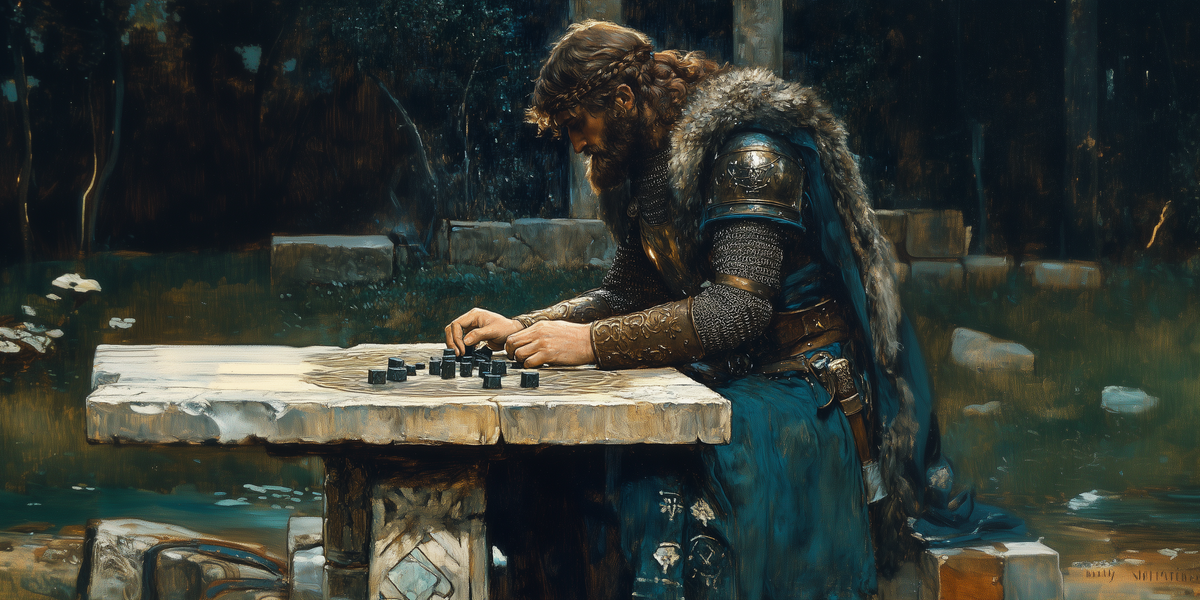
Pause for a moment, formulate your question, then reveal one rune at random. Use it as a starting point and read its full entry before drawing conclusions.
The sign that appeared
Read this runeThe complete alphabet
Enter the three aettir of the Futhark
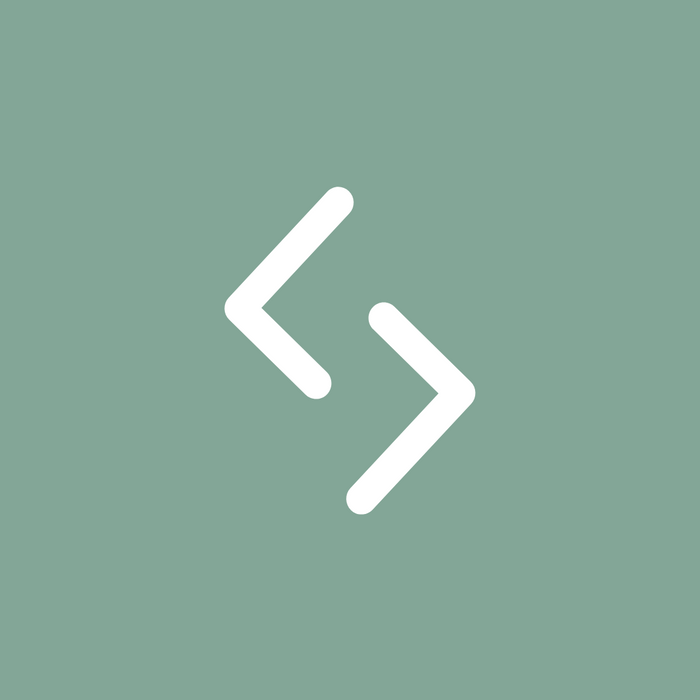
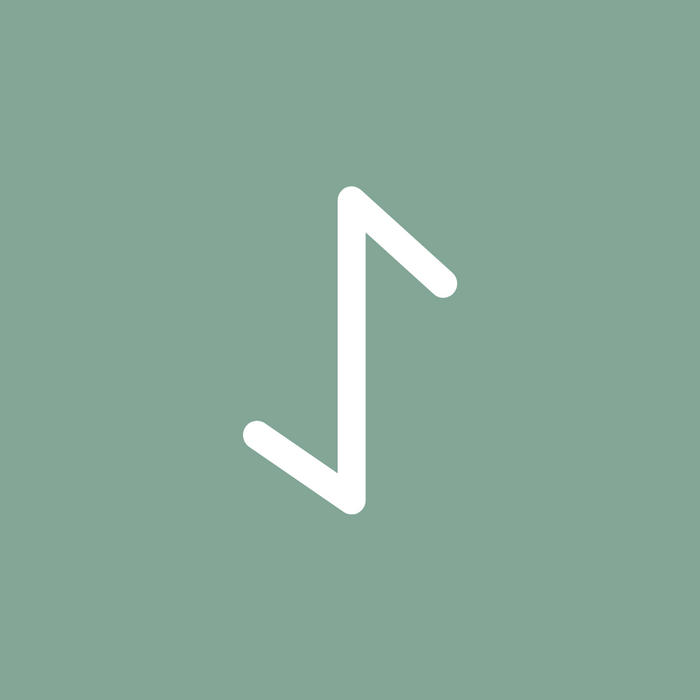
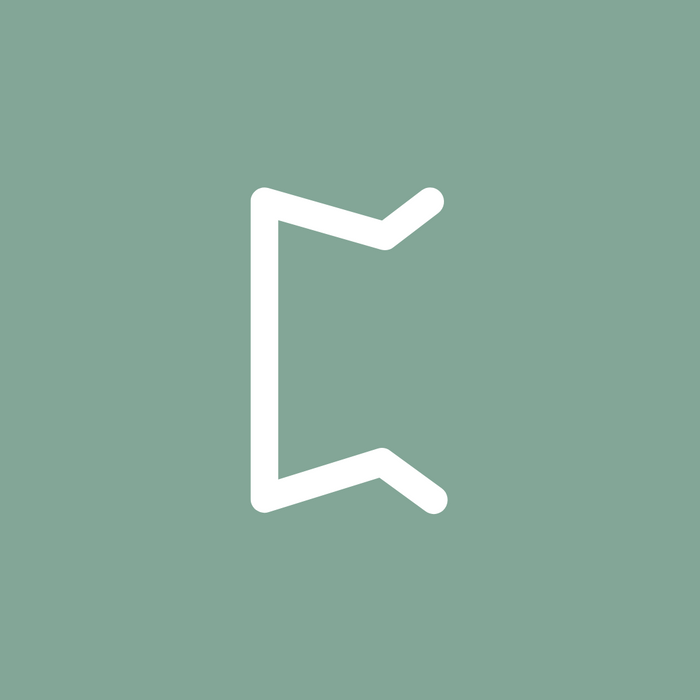
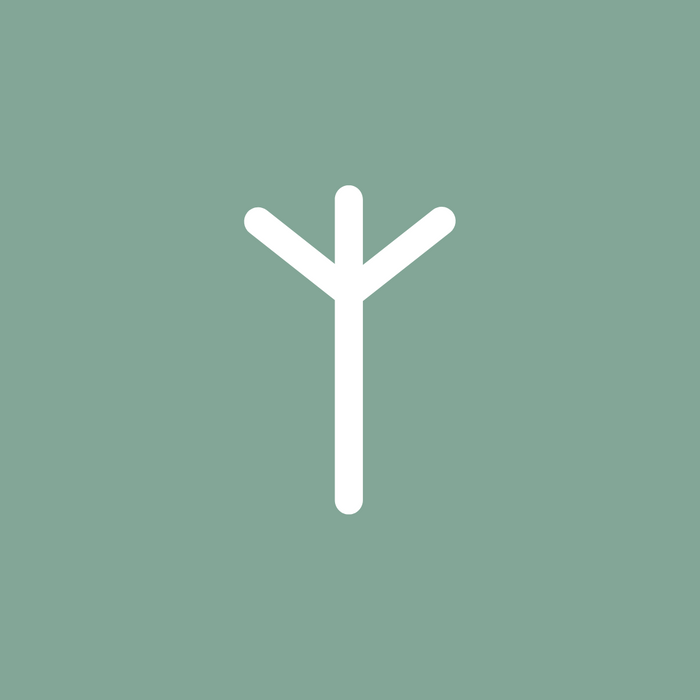
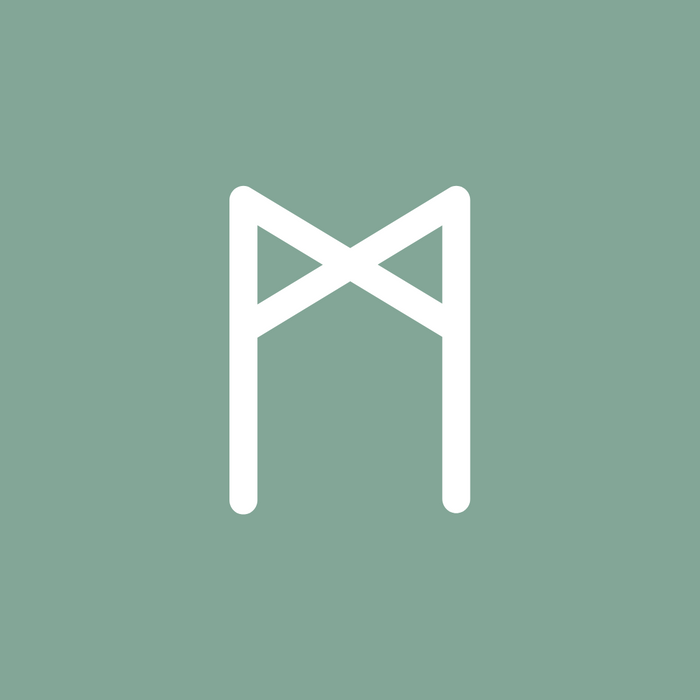
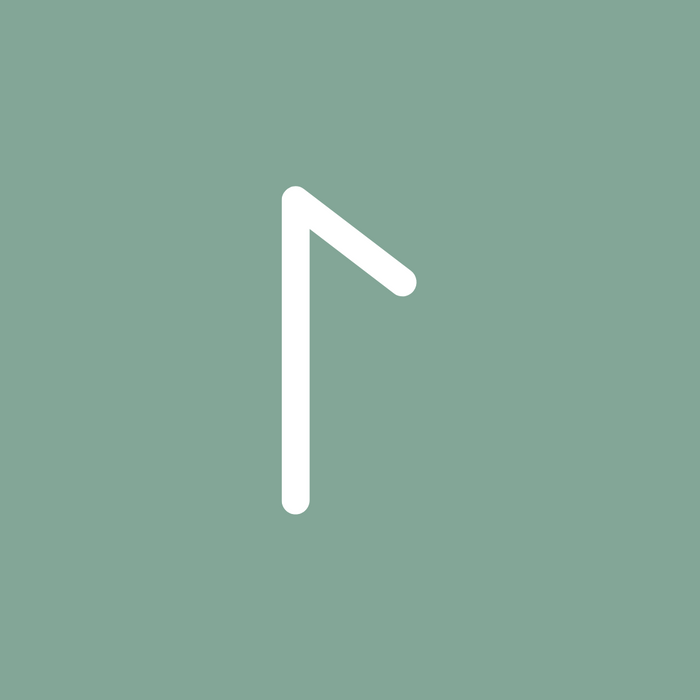
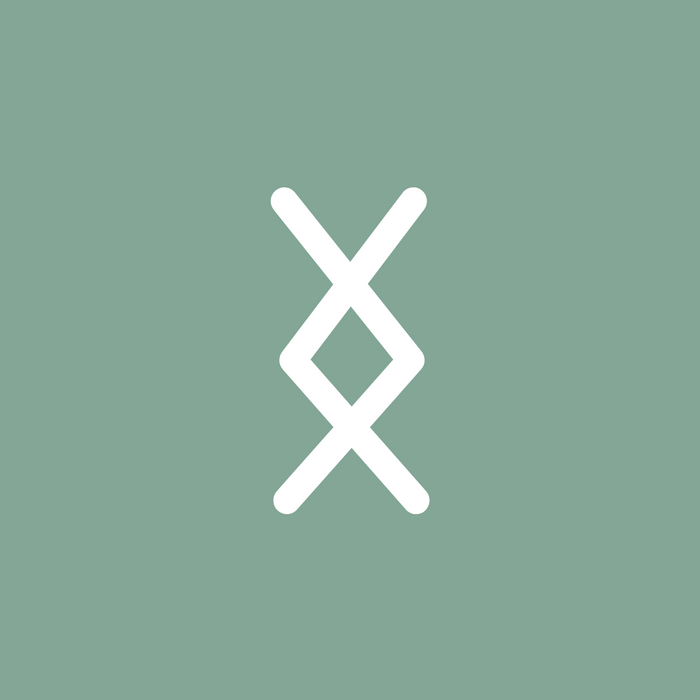
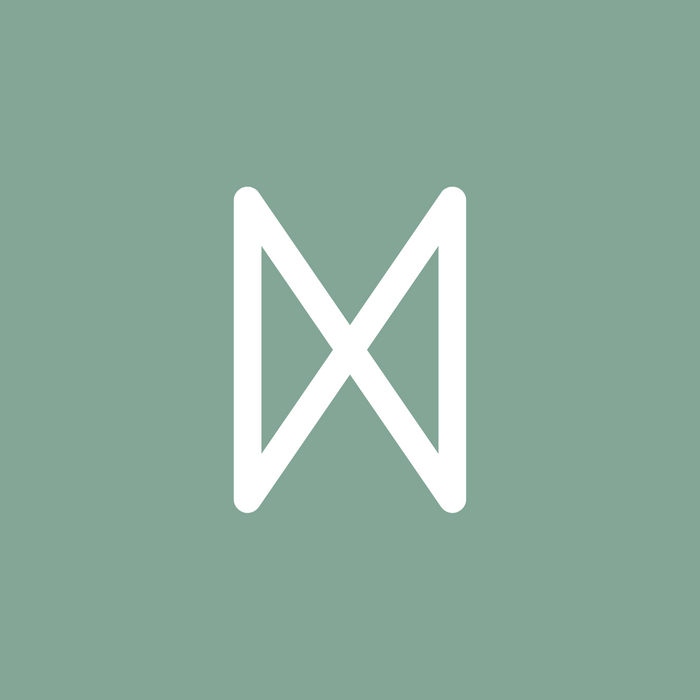
The 24 runes are presented in their traditional sequence, in three families of eight signs. Search by name or explore one aett at a time.
The Elder Futhark is divided into three aettir of eight runes. The divine names often attached to these groups in modern manuals are convenient conventions, not names securely attested for the Elder Futhark period.
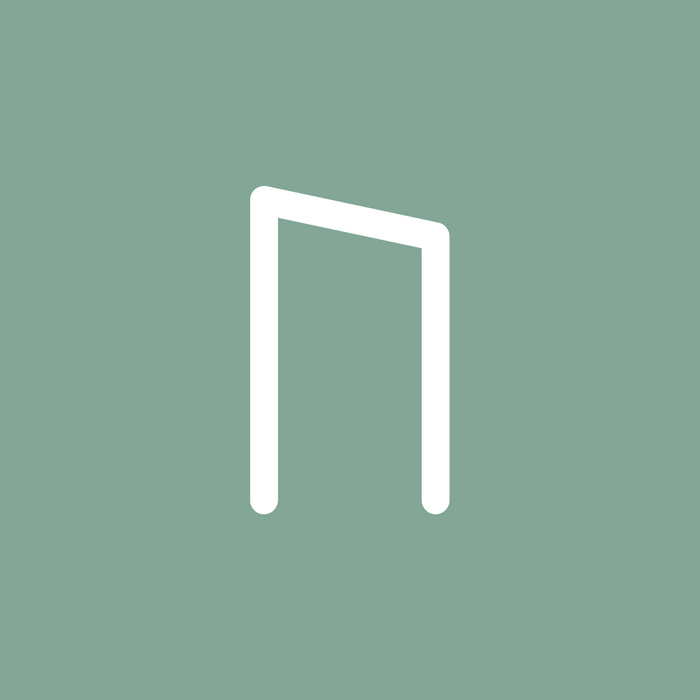
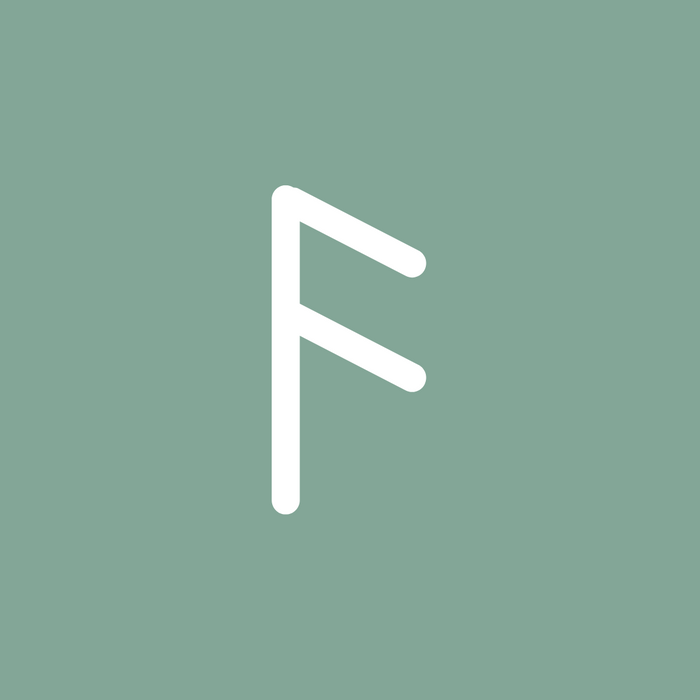
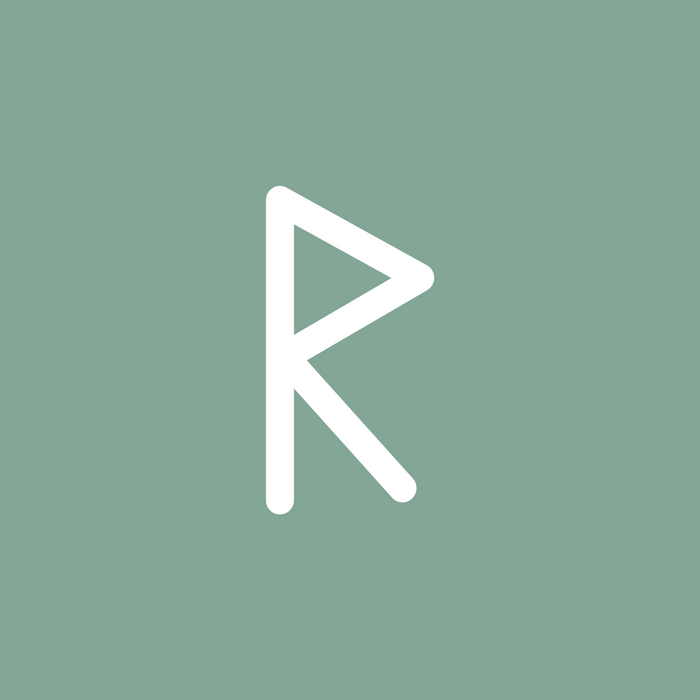
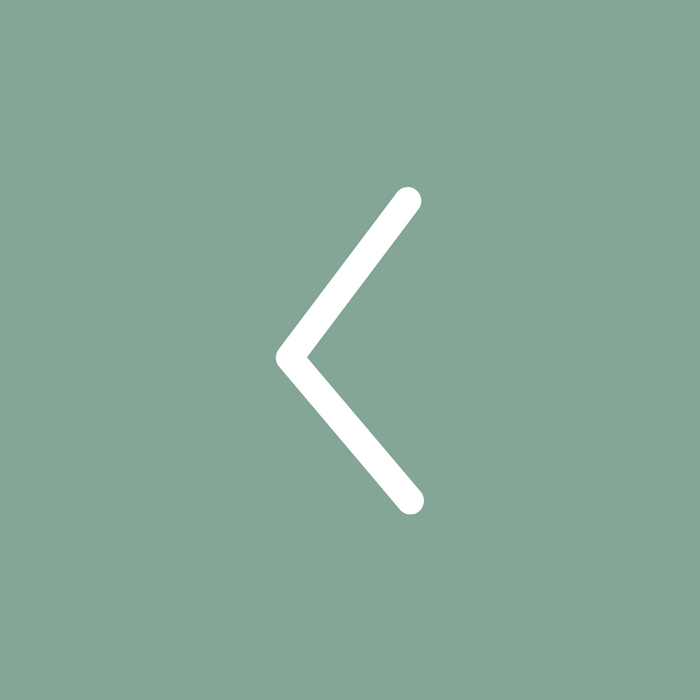
Aett I
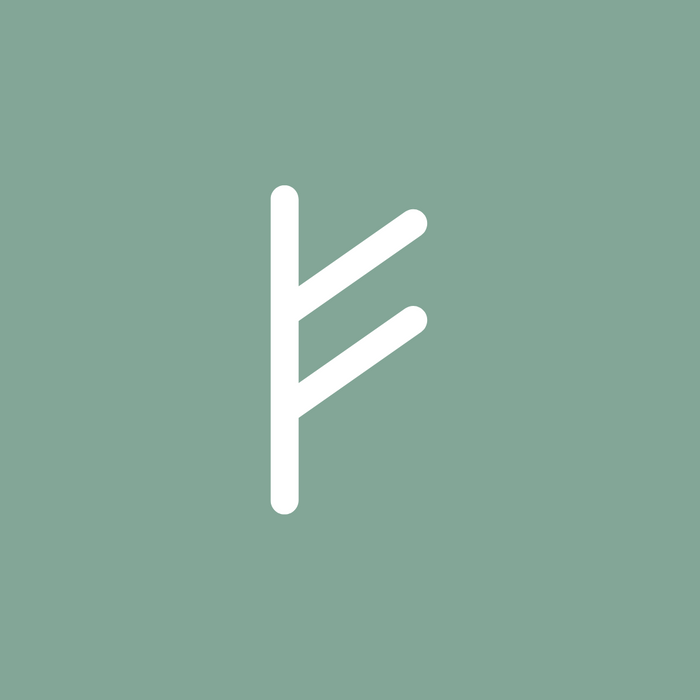
Beginnings, resources, movement and the bonds that make exchange possible.

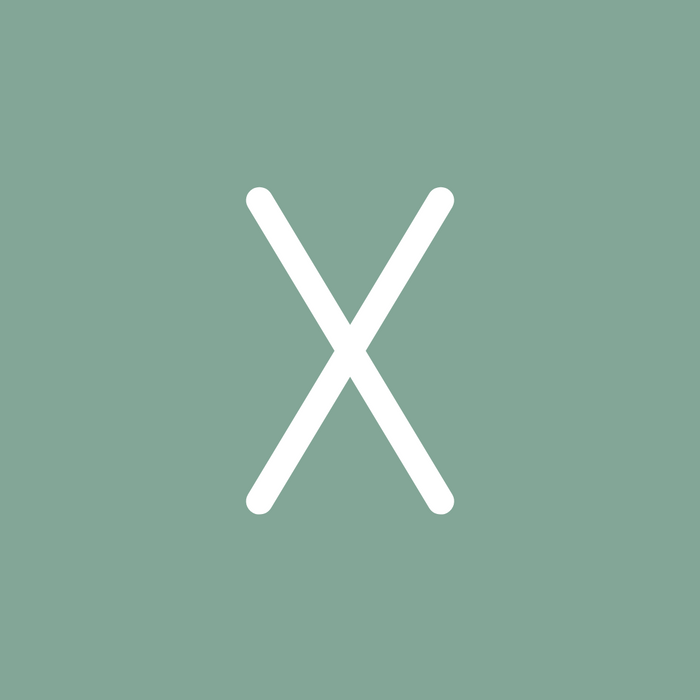
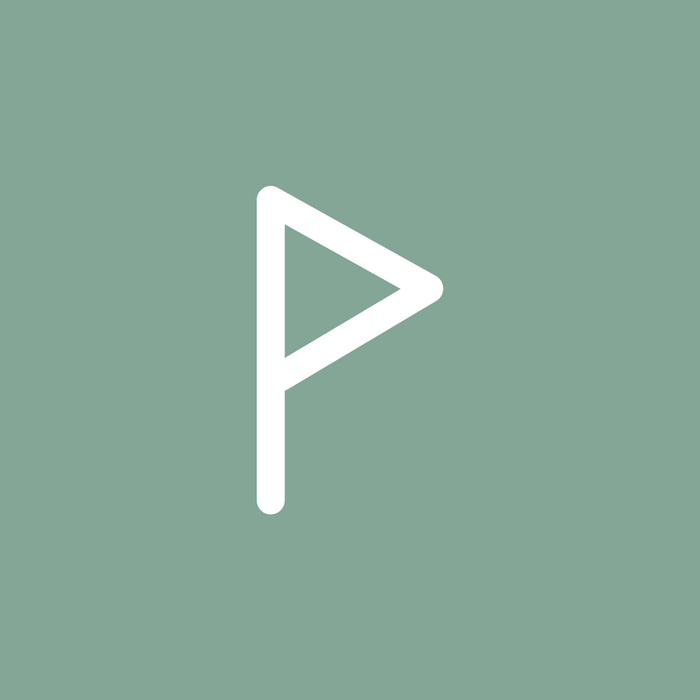
Aett II
Disruption, necessity, transformation and the inner forces that test a path.
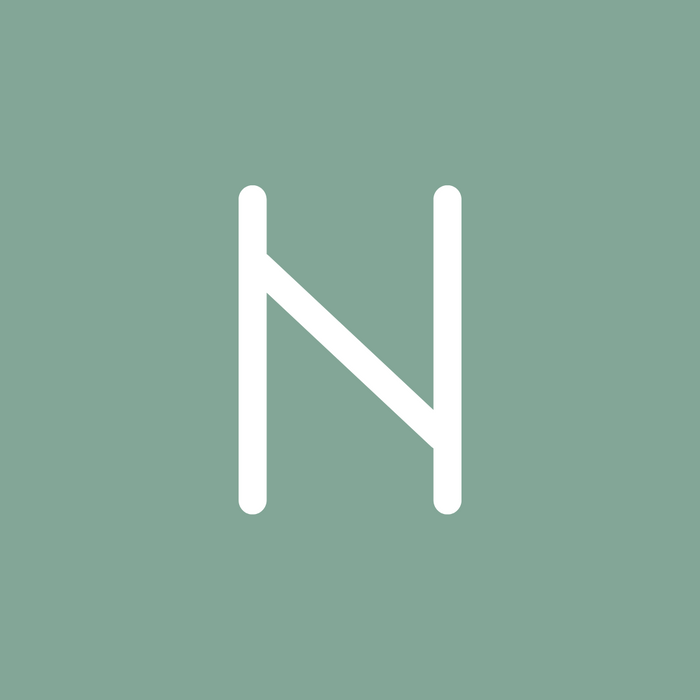
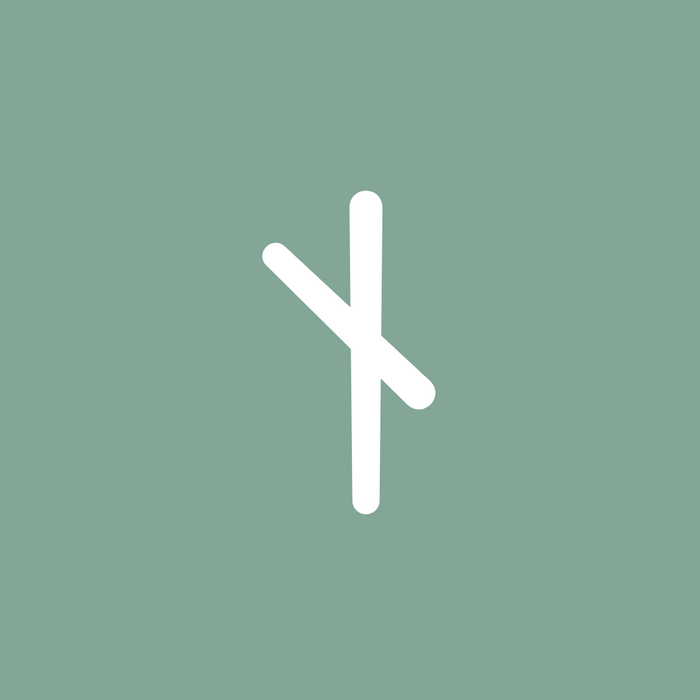

Aett III
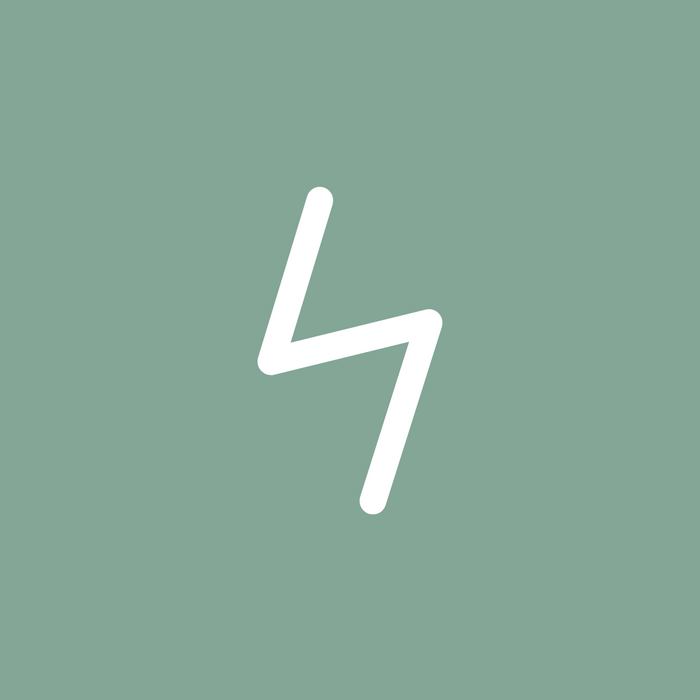
Responsibility, growth, transmission and the completion of a cycle.
No rune matches this search. Try a name, a symbol or another idea.
Essential questions about runes
How many runes are in the Elder Futhark?
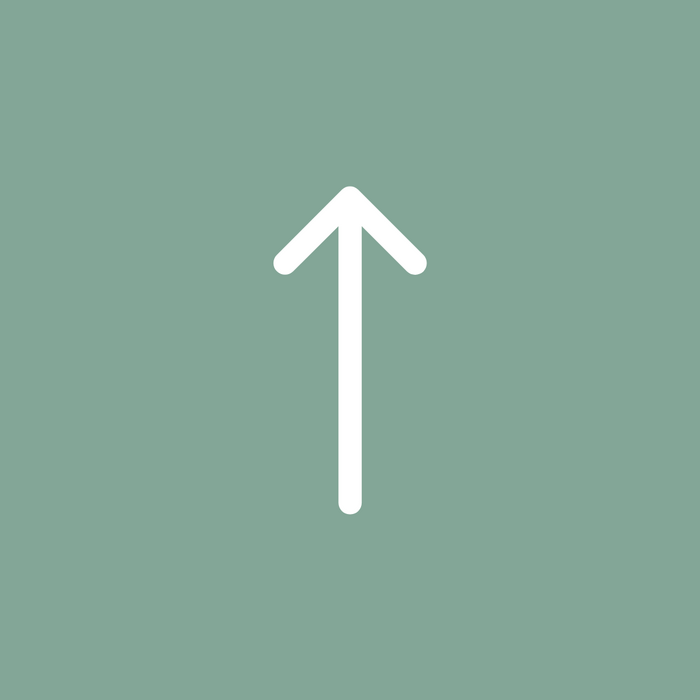
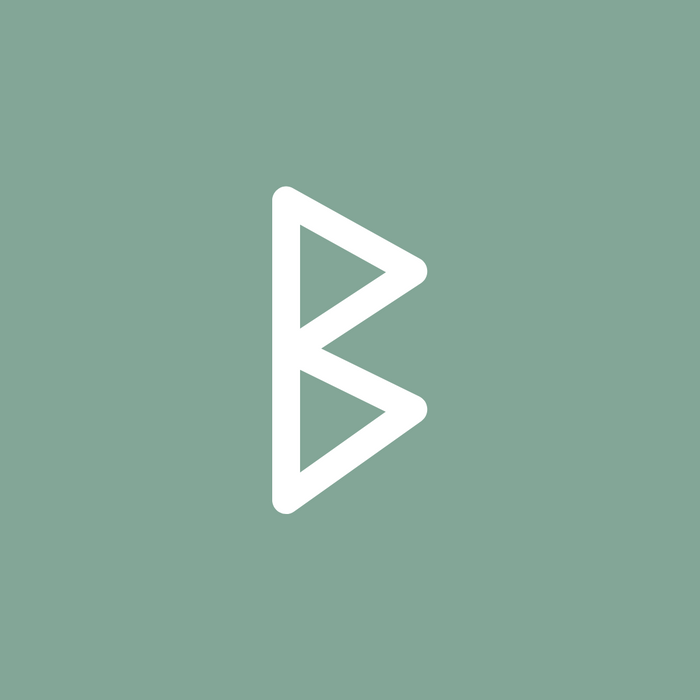
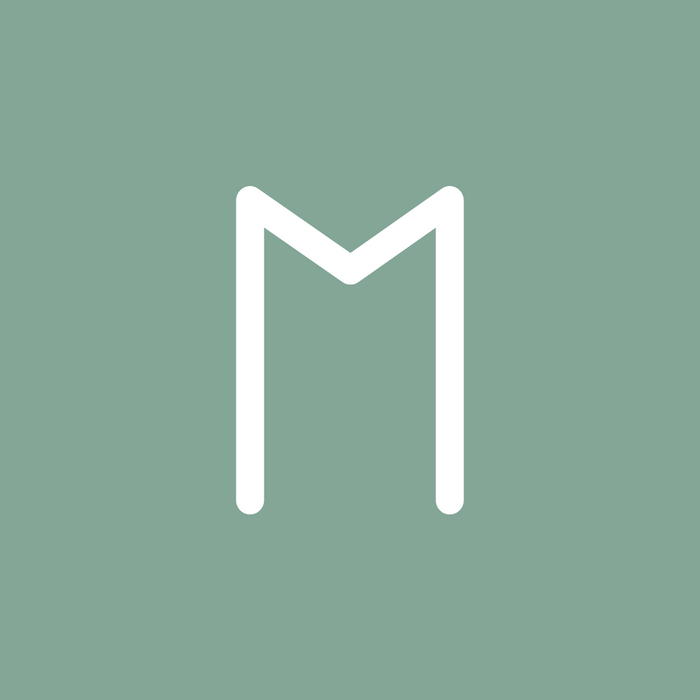
The Elder Futhark has 24 runes, arranged in three groups of eight called aettir. It was used in Germanic inscriptions roughly from the 2nd to the 8th century; later runic alphabets have a different number of signs.
Do reversed runes have a historical meaning?
No ancient rune poem sets out upright and reversed meanings. Reversal is a modern interpretive method. You can use it as a reading convention, or examine tension and obstruction through the question and neighbouring runes.
Were runes used for divination?
Runes were first a writing system, and magical inscriptions are attested. Tacitus mentions marked pieces of wood drawn by lot, but does not identify those marks as runes. The fixed practice of drawing from a set of 24 stones is modern.
Want to go further?


Guide to the runes: learn the 24 symbols of the Elder Futhark
Origins and meanings of the Elder Futhark runes
Runes were first writing signs used by different Germanic peoples. The Elder Futhark, the earliest widely attested runic alphabet, contains 24 characters used approximately from the second to the eighth century. Each rune represents a sound and carries a traditional or reconstructed name. Browse the 24 runes in Futhark order, from Fehu to Othala.
This guide brings together historical reference points, etymology, rune poems preserved in later sources and contemporary symbolic meanings. Keeping them distinct makes it possible to study runes without presenting a modern interpretation as an ancient certainty.
Learn to draw runes with a free tool
To begin, formulate an open question and use our free rune draw. The tool selects one of the 24 signs and leads to its full entry, with no registration. First note what its image suggests, then compare that impression with its history, name and context.
A single rune helps focus reflection on one theme. You can then work with several signs and observe their relationships: Ansuz may direct attention towards speech and transmission, while Algiz is often associated with protection in modern readings. A draw offers an interpretive path; it does not predict a certain future.
Read the aettir and build an interpretation
The Elder Futhark is commonly organised into three aettir of eight runes. This structure makes the alphabet easier to learn, but the divine names sometimes given to these groups in current manuals are not securely attested for the ancient period. Study each sign’s form, sound and sources first, then its modern correspondences.
In a reading, avoid automatic definitions. Consider the question, the rune’s position and neighbouring signs. Upright and reversed meanings are a recent convention, not a rule established by rune poems. The entry for Othala illustrates the move from inheritance and ancestral estate to present-day readings. To practise with a physical set, explore our rune sets.
Continue reading: free rune draw · rune sets · tarot guide · all guides and grimoires










