










































Smudging herbs
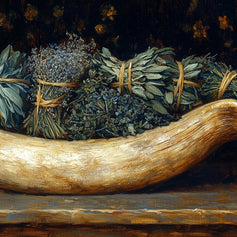
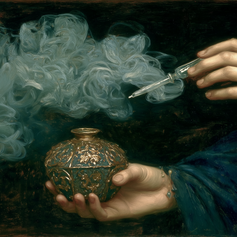
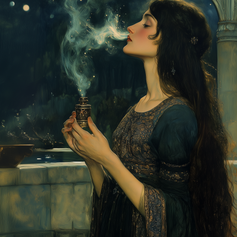
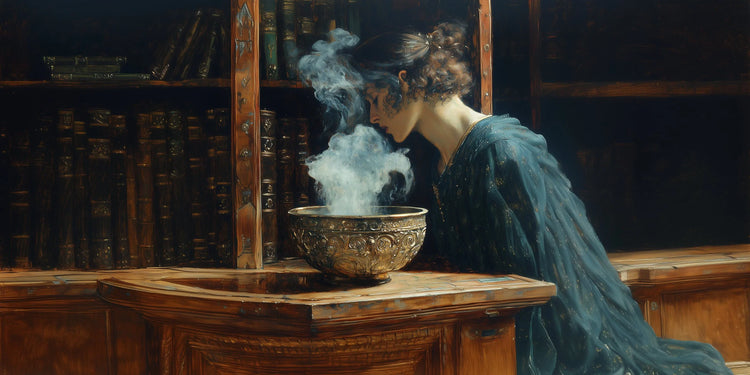
Plants for fumigation are essential in plant magic. Burning aromatic plants accompanies religious ceremonies, offerings, invocations, and rituals intended to prepare or consecrate a space. These plants release aromatic smoke whose symbolism varies according to the species and traditions. Plant fumigation is therefore a practice in its own right, combining the symbolic properties of plants with the ritual action of fire and smoke.
Plant fumigation has a particularly rich heritage in European and Mediterranean traditions. Rosemary has long been associated with purification and protection of the home, while mugwort holds an important place in divination practices and protective rites. Sage is used in spiritual cleansing, while pine needles feature in symbolic workings for prosperity and renewal. Other aromatic plants, such as peppermint, are also used in certain folk magic preparations. Each plant has its own correspondences, making it possible to create a fumigation blend suited to the ritual being performed.
Dried herbs for fumigation have the advantage of being usable on their own or combined in custom blends. A few leaves or a small pinch of plant material are enough to prepare a ritual fumigation on a hot charcoal disc placed in a suitable incense burner. This method makes it possible to control the proportions of each ingredient and combine several plants in a single preparation. It is particularly well suited to rituals of purification, consecration, protection, and planetary magic, where plant correspondences play an important role in grimoires and occult traditions.
However, not all dried plants are suitable for burning. Some species can release irritating or toxic compounds when heated. It is essential to use only correctly identified, untreated plants that are suitable for fumigation. Burning plants also produces fine particles and substances that may affect indoor air quality. To limit exposure to smoke, use very small amounts, ensure good ventilation during and after the ritual, and avoid direct inhalation. Fumigation is not recommended around people who are sensitive to smoke, particularly young children, people with asthma, and pregnant women, as well as pets. Never leave a glowing charcoal disc unattended. Finally, spiritual purification should be distinguished from air purification: burning plants does not replace cleaning or ventilating a home.
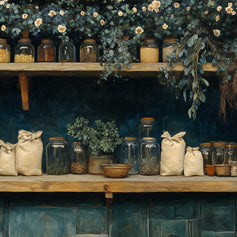
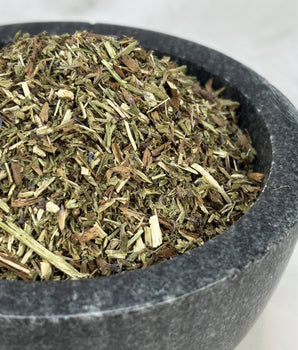
At our Aeternum esoteric shop, discover a selection of plants for fumigation, dried herbs, and loose aromatic botanicals for preparing your incense and ritual blends. From rosemary and mugwort to sage and pine needles, explore plants traditionally associated with purification, protection, and the magical arts. Choose your ingredients according to their symbolic properties and create your own fumigation blends, while respecting traditional practices and the essential precautions for burning them.
Filter and sort
12 products



Buy your sage sticks & rolls on Aeternum.
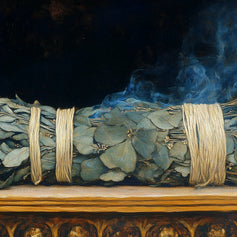
Smudging is one of those simple gestures that instantly transforms an atmosphere. By burning a smudge stick, the smoke slowly spreads, creating a break from what came before and inviting a new balance. Each plant has its own energetic signature, influencing how the space responds to purification. Used to cleanse a place, lighten the mind, or accompany a ritual, smudging adapts to each person's needs and intentions.
Popular categories related to your search
Torches Mixed rolls Resin incense
How to use a smudge to purify?
Burning a smudge allows you to reconnect with simple, instinctive gestures. This smudge stick, made of carefully assembled dried plants, releases a fragrant smoke that immediately transforms the atmosphere. Its use is based on the idea that every place and every object absorbs the surrounding energy. When a feeling of heaviness sets in, the air feels dense, or an object charged with history gives a strange impression, lighting a sage bundle helps restore a sense of balance. The contact with the smoke soothes, invites you to slow down, and marks a break with accumulated energies. This ritual, both simple and powerful, fits perfectly into daily practices, whether to purify a space after a visit, cleanse an altar before spiritual work, or accompany a moment of introspection.

How to use a sage smudge effectively?
A smudge stick releases its full intensity when used thoughtfully. Before lighting it, it is best to take a moment to set a clear intention. The fire should not be strong; only an ember is needed to produce continuous smoke. Once the combustion is stable, the smoke can be guided around the room, focusing on corners, thresholds, and enclosed spaces where energy tends to stagnate. Letting the smoke envelop an object or circulate around the body helps eliminate what weighs down the mind or burdens the shoulders. After use, it is essential to properly extinguish the smudge by smothering it in sand or on a non-flammable surface.

Why do some smudges contain several plants?
A smudge can be made solely of white sage, but other plants are also combined to enhance its effects. Lavender softens the atmosphere and promotes a peaceful environment. Juniper, with its resinous scent, is used to strengthen the protection of a place. Cedar often accompanies rituals aimed at grounding energy and stabilizing a home over the long term. Some blends include rosemary or bay leaf, known to stimulate mental clarity and boost concentration. Each plant brings a unique vibration that enriches the smudging and allows the choice of mixed smudge sticks to be tailored to specific needs.

What to do after burning a sage stick?
Once the sage bundle has been used, the purification does not stop at the fumigation. Taking a moment to feel the atmosphere of the place allows you to gauge the effect of the cleansing. It is advisable to lightly air out the room to refresh the air and prevent the smoke from lingering. Some like to set an additional intention by lighting a candle or leaving a protective object in the purified space. To maintain a lasting energetic balance, it is possible to use a smudge regularly, according to feelings and current needs.
A question about sage sticks?
We have the answers.
Is a smudge stick made only of white sage?
No, a smudge can contain different plants depending on the needs. While white sage is the most well-known for its purifying properties, other plants like cedar, juniper, lavender, or rosemary are often added to enhance the desired effect. Some blends are designed to promote calm, others to ground energy or strengthen the protection of a space.
When should you use a smudging stick?
A smudge stick can be used whenever there is a need for renewal. Many light it after a stressful day, to accompany a significant change, or simply when a room feels stifling. Some include it in their spiritual routine, while others use it only after significant events. There are no fixed rules; it all depends on how you feel.
Should a smudge be used all at once?
No, a smudge can be used multiple times. Unlike incense that burns completely, a smudge stick can be lit, then extinguished and reused later. Just make sure to put it out properly by gently pressing it into sand or a dish so it’s ready to use again.
Can you purify something other than a place with a smudge?
Yes, the smoke from a smudge is not only used to purify a room. It can be used to energetically cleanse objects such as stones, jewelry, or divination tools. Some people also use it for personal purification by letting the smoke circulate around the body to release accumulated tensions.
Why do some smudges seem more effective than others?
The effect of a smudge depends on several factors. The quality of the plants used, the intention set before the fumigation, and the way the smoke is spread all influence the outcome. A charged space may sometimes require several rounds before regaining a feeling of lightness. Observing how the atmosphere changes after purification allows you to adjust the use according to your needs.
Is a specific container needed to burn a smudge?
It is best to use a heat-resistant holder to avoid any risk. An abalone shell, a ceramic dish, or a stone burner are often chosen to collect the ashes and stabilize the stick during use. The important thing is to always ensure that the holder used is secure.
What is the best way to air out after fumigation?
After using a smudge stick, opening a window for a few minutes allows the smoke to escape and lets the purified air circulate. The cleansed energy must be able to leave the space, otherwise it risks stagnating and weighing down the atmosphere again. Some like to accompany this moment by letting natural light in or by placing a protective stone in the room.
Can a smudge be replaced by a cleansing spray?
For those who are sensitive to smoke or cannot burn plants in their space, there are alternatives such as purifying sprays made from white sage hydrosols or essential oils. They allow you to enjoy the benefits of the plants without combustion, but their effect is generally lighter than fumigation.
Why does the smudge sometimes go out too quickly?
If a smudge doesn’t stay lit, it’s often because the leaves are too compact or the plant is slightly damp. Holding it tilted downward can also prevent smooth burning. In this case, the best thing to do is to properly air out the base before lighting it again and make sure a stable ember has formed before blowing on the flame.
Does a smudge have a shelf life?
A well-preserved smudge stick can be used for several months, even years. It is best to keep it in a dry place away from direct light to preserve its scent and energetic properties. A wooden box or a fabric pouch helps prevent the herbs from losing their intensity over time.
How are the products prepared?
All products listed as in stock are prepared within 24 hours from order confirmation (excluding weekends and holidays).
Our packages are prepared by our own team with care to ensure the protection of your products.
What are the delivery methods?
We currently offer delivery via Mondial Relay or Colissimo. Find more information here.
What is the delivery time?
The delivery time starts from the shipment of your package, and we indicate the average times observed by our carriers at the time of order. You can check our delivery methods and rates directly here.
To which countries do you ship?
We ship your orders to the following destinations: Metropolitan France, Belgium, Monaco, Luxembourg, Switzerland, Réunion, French Guiana, Guadeloupe, Martinique, Mayotte, Saint Barthélemy, Saint Martin, New Caledonia, Italy, Spain, Portugal, Netherlands, Germany, Canada, United States.
Shipping methods, prices and delivery times depend on the destination and the products ordered. See our shipping information; available options are shown at checkout.
I have other questions.
You can visit our Help Center here or contact us there.
— The Carnets d'Aeternum , practices and history of Magic.
A condensed collection of knowledge to feed your curiosity.