
















































































































Futhark antico
Guida alle rune
Esplora le rune come un alfabeto, un linguaggio simbolico e uno strumento di riflessione. Ogni segno apre una via singolare tra le forze, le tensioni e i movimenti della quotidianità.
Prima dell’oracolo
Un alfabeto diventato un linguaggio simbolico
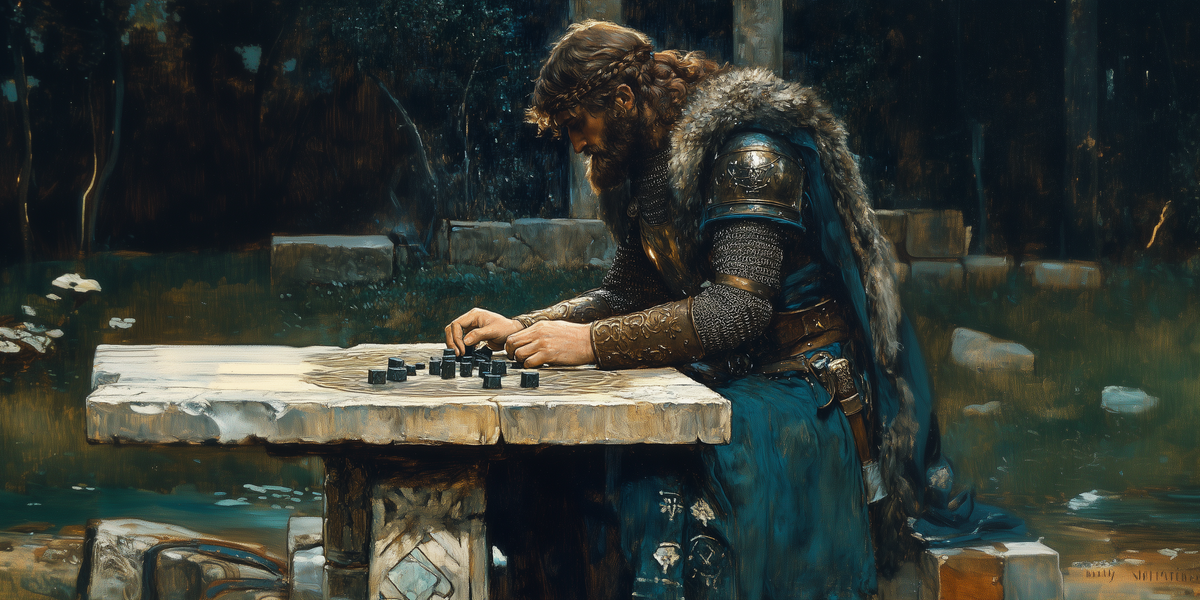
Le rune costituivano innanzitutto sistemi di scrittura utilizzati dai popoli germanici. Le loro linee angolose si prestavano all’incisione su legno, osso, metallo e pietra, esprimendo tanto suoni quanto idee.
Il loro uso divinatorio invita all’interpretazione piuttosto che alla certezza. Una runa propone un tema da esaminare nel suo contesto: può far luce su una situazione, ma non determina mai il futuro.
La runa inaspettata
Lascia un segno per aprire la lettura
Prenditi un momento, formula la tua domanda, poi rivela una runa a caso. Accoglila come punto di partenza e leggi la sua scheda completa prima di trarre una conclusione.
The sign that appeared
Leggi questa runaL’alfabeto completo
Entrare nei tre ættir del Futhark
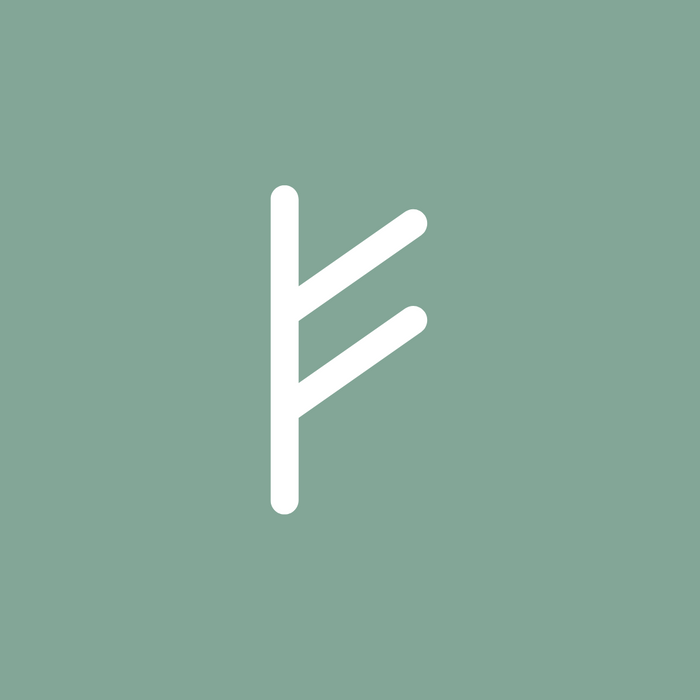
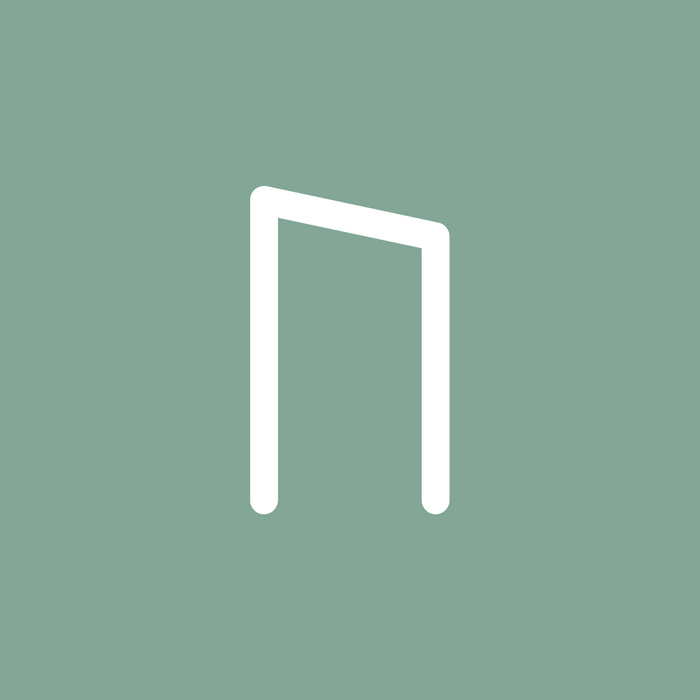
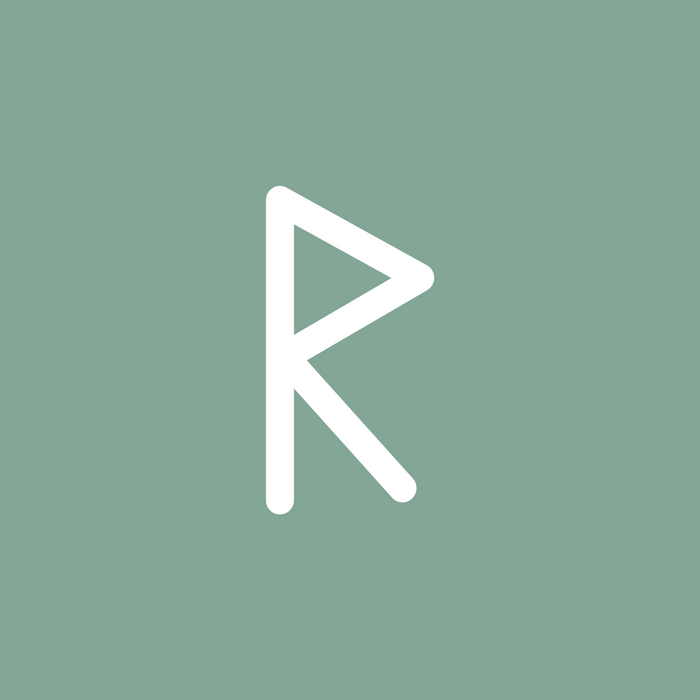
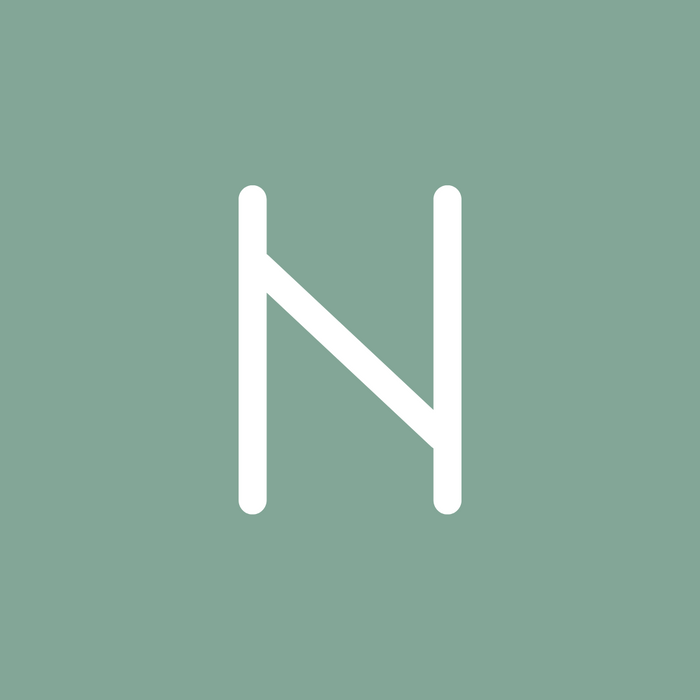
Le 24 rune sono presentate nel loro ordine tradizionale, in tre famiglie di otto simboli. Cerca un nome oppure esplora un ætt alla volta.
Il Futhark antico è diviso in tre aettir di otto rune. I nomi divini spesso attribuiti a questi gruppi nei manuali moderni sono convenzioni pratiche, non denominazioni attestate con certezza per l’epoca del Futhark antico.
Ætt I
Gli inizi, le risorse, il movimento e i legami che rendono possibile lo scambio.





Ætt II
La rottura, la necessità, la trasformazione e le forze interiori che mettono alla prova un percorso.







Ætt III
La responsabilità, la crescita, la trasmissione e il compimento di un ciclo.


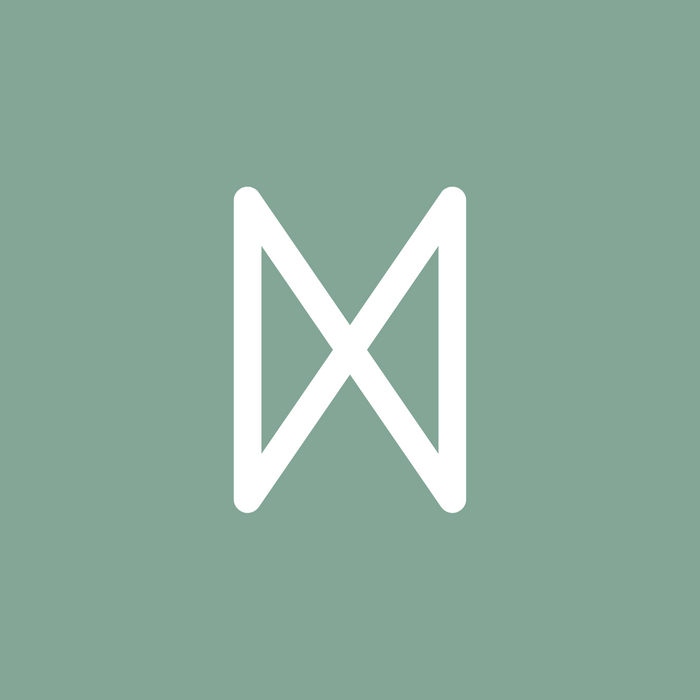
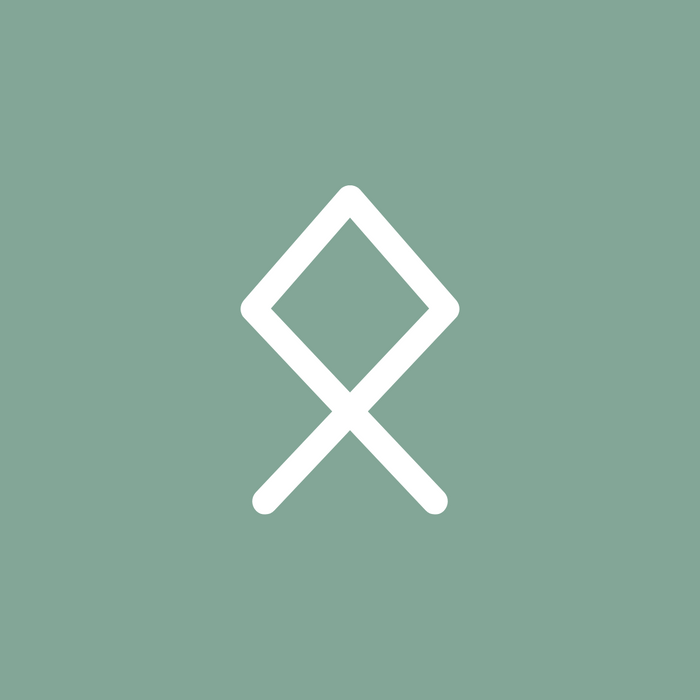
Nessuna runa corrisponde a questa ricerca. Prova con un nome, un simbolo o un’altra idea.
Domande essenziali sulle rune
Quante rune comprende il Futhark antico?
Il Futhark antico comprende 24 rune, organizzate in tre gruppi di otto chiamati aettir. Fu usato nelle iscrizioni germaniche all’incirca dal II all’VIII secolo; gli alfabeti runici successivi hanno un numero diverso di segni.
Le rune capovolte hanno un significato storico?
Nessun antico poema runico stabilisce significati diritti e rovesciati. Il rovesciamento è un metodo interpretativo moderno. Può essere una convenzione di lettura, oppure tensione e blocco possono emergere dalla domanda e dalle rune vicine.
Le rune venivano usate per la divinazione?
Le rune furono anzitutto un sistema di scrittura e sono attestate iscrizioni magiche. Tacito cita pezzi di legno segnati ed estratti a sorte, ma non identifica i segni come rune. L’estrazione fissa di 24 pietre è moderna.
Vuoi approfondire?


Guida alle rune: imparare i 24 simboli del Futhark antico
Origine e significato delle rune del Futhark antico
Le rune nacquero anzitutto come segni di scrittura usati da diversi popoli germanici. Il Futhark antico, il più antico alfabeto runico ampiamente attestato, comprende 24 caratteri utilizzati all’incirca tra il II e l’VIII secolo. Ogni runa rappresenta un suono e porta un nome tradizionale o ricostruito. Esplora le 24 rune nell’ordine del Futhark, da Fehu a Othala.
Questa guida riunisce riferimenti storici, etimologia, poemi runici conservati in fonti posteriori e significati simbolici contemporanei. Distinguerli permette di studiare le rune senza presentare un’interpretazione moderna come un’antica certezza.
Imparare a estrarre le rune con uno strumento gratuito
Per iniziare, formula una domanda aperta e usa la nostra estrazione gratuita di una runa. Lo strumento sceglie uno dei 24 segni e conduce alla sua scheda completa, senza registrazione. Annota prima ciò che l’immagine ti suggerisce, poi confrontalo con storia, nome e contesto.
Una sola runa aiuta a concentrare la riflessione su un tema. In seguito puoi lavorare con più segni e osservarne le relazioni: Ansuz può richiamare parola e trasmissione, mentre Algiz è spesso associata alla protezione nelle letture moderne. Un’estrazione offre una pista interpretativa; non predice un futuro certo.
Leggere gli aettir e costruire un’interpretazione
Il Futhark antico è comunemente organizzato in tre aettir di otto rune. La struttura facilita l’apprendimento, ma i nomi divini talvolta attribuiti a questi gruppi nei manuali moderni non sono attestati con certezza per l’epoca antica. Studia prima forma, suono e fonti di ogni segno, poi le corrispondenze moderne.
In una lettura, evita definizioni automatiche. Considera la domanda, la posizione della runa e i segni vicini. I significati “dritto” e “rovesciato” sono una convenzione recente, non una regola dei poemi runici. La scheda di Othala mostra il passaggio dall’eredità e dal possesso ancestrale alle letture attuali. Per praticare con un supporto fisico, scopri i nostri set di rune.
Continua la lettura: estrazione gratuita di una runa · set di rune · guida ai tarocchi · tutte le guide e i grimori










