



















































































































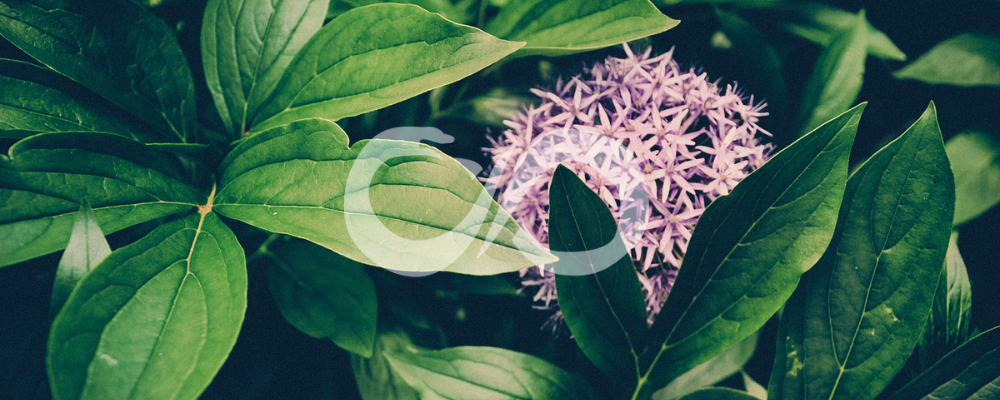
Choosing a tutelary plant means establishing a special connection with a plant essence that accompanies you every day, a connection that is all the more valuable if you practice green magic. Each plant has its own energy, a presence that resonates differently depending on each person’s sensitivity. Some naturally draw us in, while others require time to be understood. This choice is based on an approach that is both intuitive and thoughtful, in which observation and experimentation play an essential role. But like love at first sight, finding your tutelary plant cannot always be explained - you simply feel it.
1. What is a tutelary plant?
A tutelary plant is a plant essence with which a person develops a special relationship on a spiritual and magical level. This connection is based on a natural affinity, whether it is felt instinctively or discovered through study and experience. Unlike plants used occasionally in rituals or magical preparations, a tutelary plant accompanies you over the long term, like a subtle yet constant source of support.

Its role may vary according to individual needs and practices. Each person may find in a plant a silent guide, a familiar presence that accompanies them on their personal journey.
Choosing a tutelary plant means establishing a living connection with nature and integrating its energies into your daily life.
2. Connecting with your personal energy
Your personal energy naturally plays a fundamental role in choosing a tutelary plant. Before turning to external correspondences, you need to pay attention to your own feelings. Each person has a sensitivity that naturally guides them toward certain plant energies. Observing this inner dynamic helps you better understand the deep needs guiding this choice.
Your emotional state, spiritual aspirations, and magical practices influence this relationship. Some seek solid grounding to stabilize themselves, while others need a more fluid connection with intuition. Listening to these needs provides clearer direction, thus avoiding a choice based solely on symbolic criteria.

Attraction to a plant generally manifests without any rational explanation. A scent, texture, color, or even a sense of familiarity can be enough to create a spontaneous connection. Observing your physical and emotional reactions in the presence of certain plants can reveal an affinity that is not immediately apparent. This approach is based on a subtle form of exchange, in which the plant and the individual naturally attune to one another without requiring any justification.
Rather than seeking a ready-made answer, it is better to take the time to explore this relationship. A tutelary plant is not chosen solely with the intellect; it is discovered through experiences and direct interactions.
3. Drawing inspiration from magical correspondences
Magical correspondences provide useful guidance when choosing a tutelary plant. Each tradition associates plants with specific forces linked to the elements, planets, deities, or astrological influences. These relationships help guide your search according to your personal sensitivities and aspirations.
A plant’s energy aligns with various dynamics. Some resonate with earth and reinforce stability. Others harmonize with water and encourage inner fluidity. Plants associated with fire stimulate drive and determination, while those linked to air foster inspiration and clarity of mind. Astrological resonance also plays a role in this relationship. A person may feel close to a plant because of their zodiac sign or a particular attachment to certain spiritual figures.
Magical traditions recognize subtle influences in plants, perceived as extensions of their intrinsic nature. This approach is based on a vision in which the plant world communicates with the human world through invisible affinities. To establish a connection with a tutelary plant, it is best to absorb these dimensions without losing sight of direct experience. Correspondences provide direction, but only your own feelings can confirm whether a plant is truly right for you.
4. Letting intuition and experience guide you
Intuition and experience help deepen your connection with a tutelary plant. This choice develops through sensory and spiritual exploration. Observing your personal reactions to a plant, whether subtle or pronounced, sheds light on the nature of this connection.
Meditation helps refine this perception. Sitting in the presence of a plant, closing your eyes, and focusing on its energy allows you to sense its influence. Some immediately inspire a feeling of calm, while others awaken a more dynamic sensation. These impressions are not a product of the imagination; they reflect the way a plant interacts with the mind and body.

Visualization strengthens this approach. Imagining a plant in full growth and mentally observing its shape, colors, and radiance helps you better understand its possible role. This practice sometimes reveals unconscious connections that do not appear through a simple rational analysis.
Direct experience also plays an essential role. Contact with a leaf, bark, or flower conveys information that words cannot describe. The texture, temperature, or reaction of your skin to a plant says a great deal about the compatibility between a person and a plant. Its scent awakens memories and sensations that confirm or disprove an affinity. Even without touching it, a plant’s mere presence can trigger a feeling of well-being or strangeness.
5. The tutelary plant as a tool
A tutelary plant truly takes its place when it becomes part of your daily life. The attention given to this plant, in its various forms, nourishes this relationship and makes it a living element of magical and spiritual practice.
Using the plant in personal rituals allows you to experience its presence more intensely. As incense, an infusion, or an amulet, it acts as an anchor that accompanies every stage of your inner journey. Your tutelary plant is no longer an ingredient; it is a tool. In this sense, it has a rightful place in every ritual or magical preparation.

If possible, growing this plant strengthens the relationship even further. Watching it grow, observing its growth cycles, and interacting with it in a natural setting create a living dynamic that goes beyond occasional use. A plant tended day after day becomes a true companion, an active part of daily life that evolves alongside the person it accompanies.
When it is not possible to grow a plant, preserving it in other forms maintains the connection. A dried fragment, a vial containing a few leaves, or an infused oil allows you to preserve its energy and keep it close at hand. This regular contact prevents the relationship from becoming abstract and maintains a constant exchange with the tutelary plant.
Thus, fully welcoming a plant into your daily life means considering it a familiar presence with which a dialogue can be established. This connection develops over time, not as an obligation, but as an encounter that flourishes at the pace of your practices and personal needs.

Par Olivier of Aeternum
Passionate about esoteric traditions and the history of the occult from the earliest civilizations to the 18th century, I share some articles on these topics. I am also co-creator of the online esoteric shop Aeternum.













