





























































































Yellow like illuminated metal, Orpiment bore for centuries a name of promise: auripigmentum, the “gold pigment.” Painters sought it, alchemists questioned it, and chemistry revealed its true nature, an arsenic sulfide. Its symbolic lesson lies in this gap between brilliance, matter, and value.
This solar stone is not handled through contact. Its beauty is observed inside a closed box, where the boundary itself becomes part of the rite. Orpiment invites us less to possess gold than to examine what takes on its appearance: ambition, promise, prestige, and transformation.
To place this stone among related minerals, compare it with Antimony, Stibnite, and Boulangérite.
The pigment that imitated gold
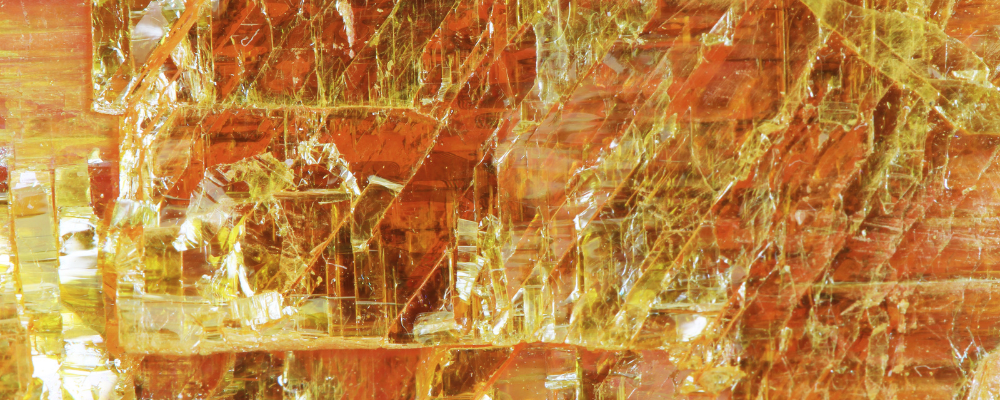
Orpiment is a yellow to orange, soft, flaky arsenic sulfide. The Handbook of Mineralogy describes its composition, cleavage, and low hardness. Its name comes from the Latin auripigmentum: its color evoked gold, although the stone contained none of that metal.
Its etymology makes it a stone of comparison. It teaches that an appearance can be accurate—the brilliance is indeed there—while still leading to a false conclusion about the substance. This nuance gives it a strong place in discernment work.
From the Roman world to the workshops
A study by the Getty notes its use as a yellow or orange pigment in the Roman world, where it could imitate gold. Pliny and Vitruvius mention it, while sources from Asia Minor and the Red Sea region supplied its circulation.
Its luminous color passed through workshops and manuscripts before other pigments replaced it. The National Gallery recalls its toxicity and decline in the 19th century. In the works that preserve it, its brilliance now demands the attention of conservators.
The alchemists’ deceptive gold
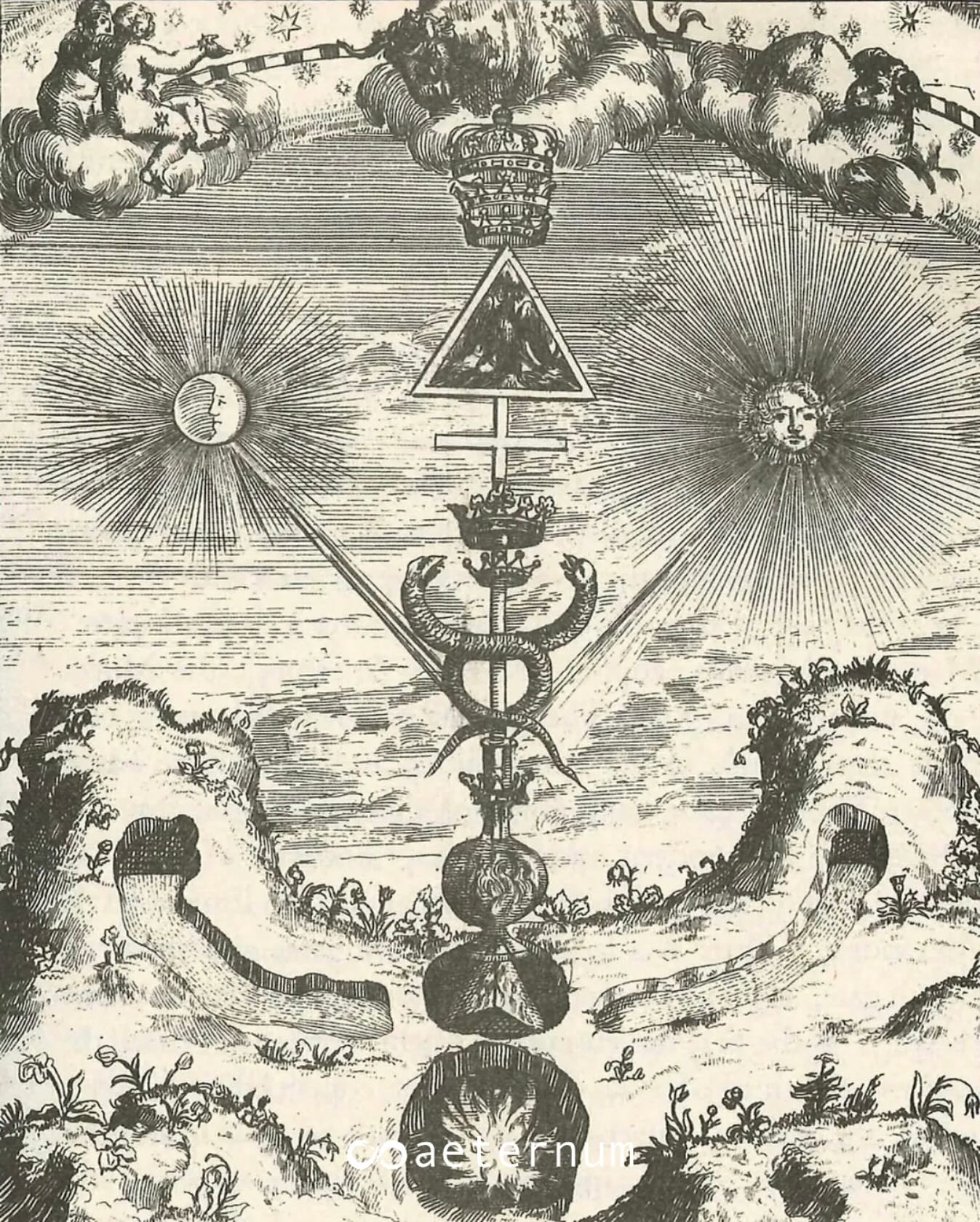
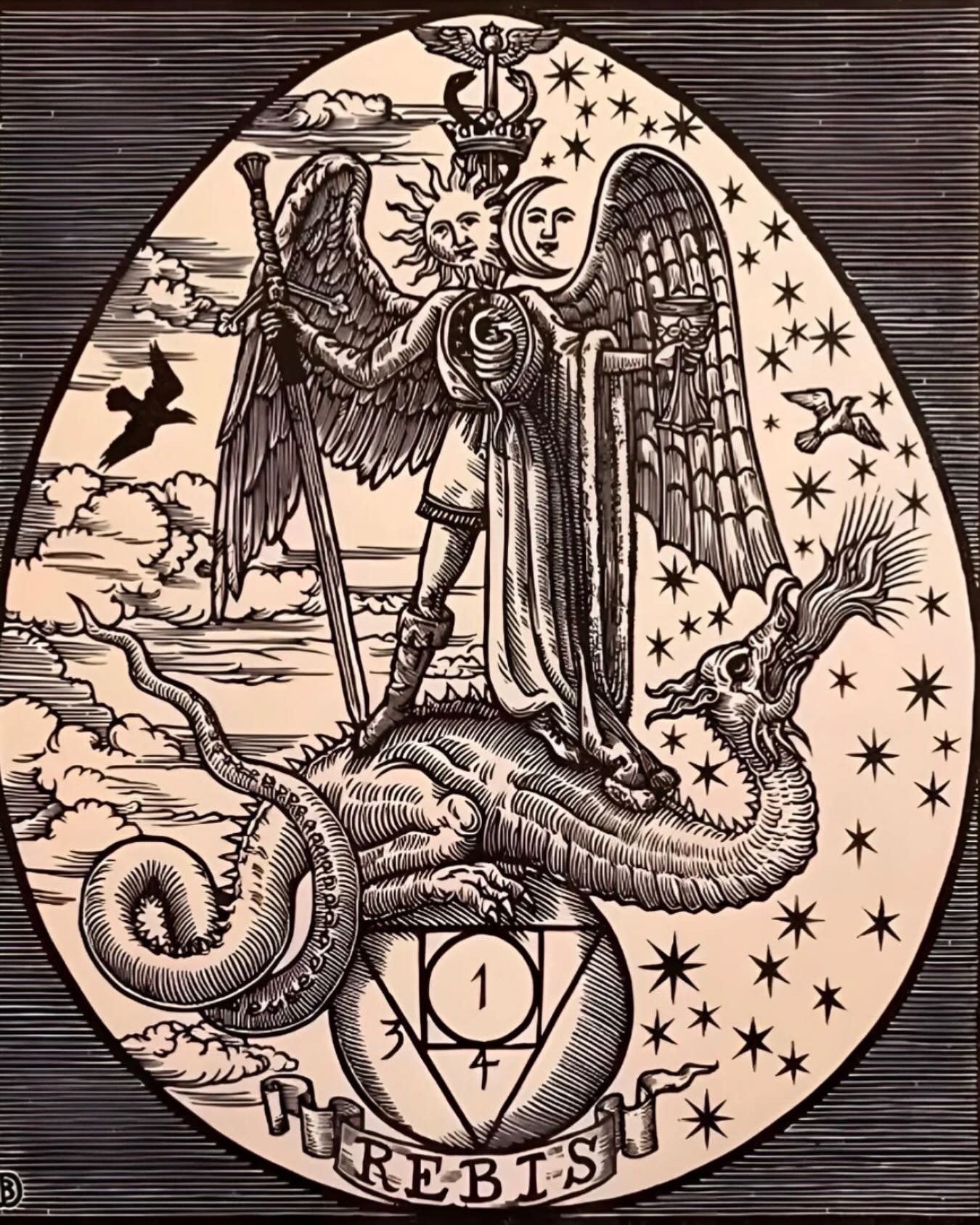
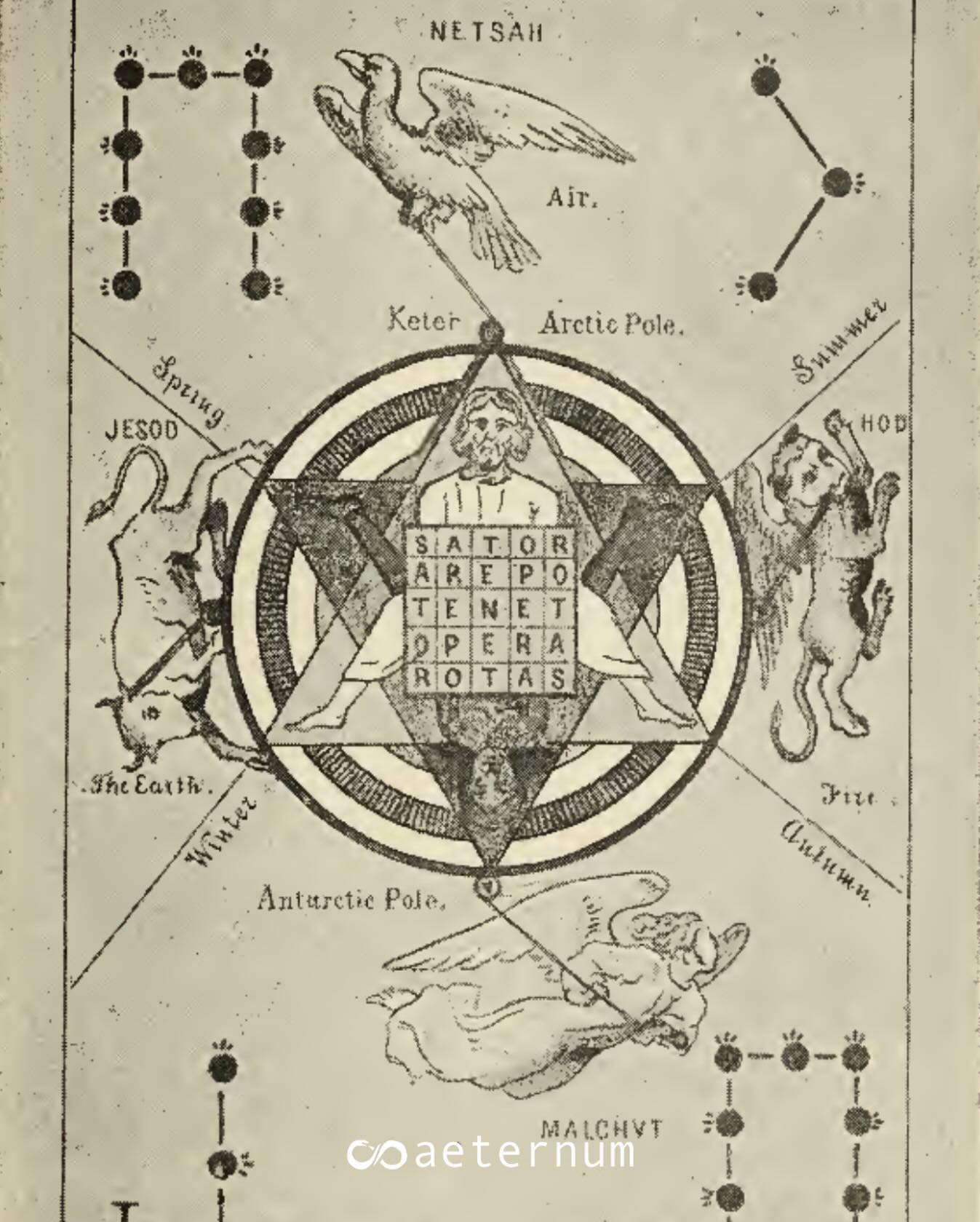
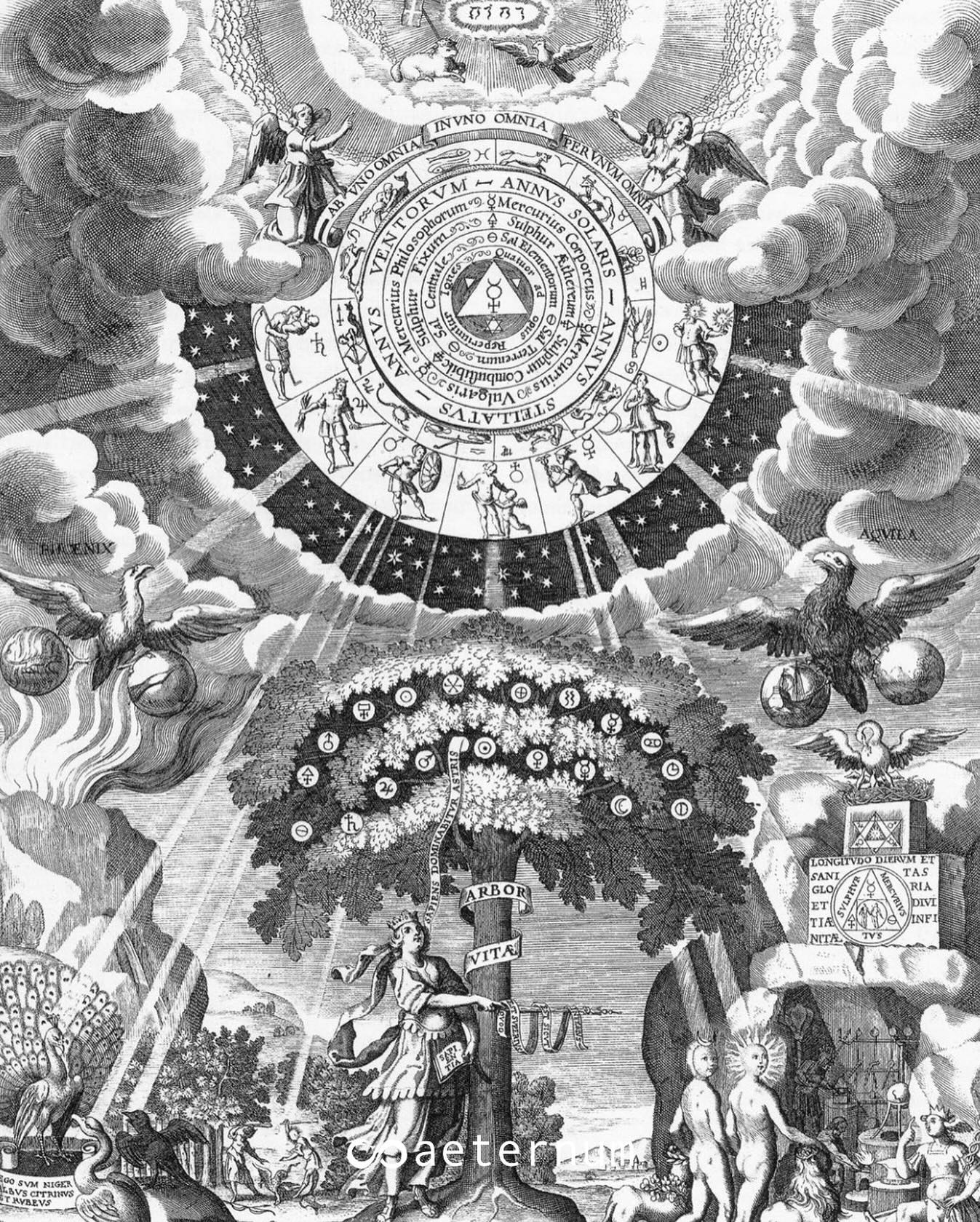
Because it bore the name and color of gold, Orpiment entered the alchemical imagination of transmutation. A historical presentation by McGill University traces this fascination and the attempts to extract the noble metal from a substance that resembled it.
This episode should not be turned into proof of an ancient universal talisman. Orpiment’s esoteric interest here comes from a real alchemical problem: how to recognize a genuine transformation, and how to distinguish the result from its imitation.
A correspondence reconstructed transparently. No uniform ancient system assigns Orpiment the same virtues. The associations proposed below are based on its color, name, pictorial history, and place in alchemy.
Sun, Mercury, and boundaries
The Sun corresponds to golden yellow, visibility, ambition, and the desire for recognition. Mercury governs the art of transforming, naming, and comparing; it suits a material whose name may have caused resemblance and identity to be confused.
Saturn acts as guardian of the boundary: closed box, safety rule, refusal to cross a line under the pretext of knowledge. Fire may serve as an alchemical image, but never as a physical procedure around the specimen. Earth recalls the actual matter beneath the symbol.
Discernment, ambition, and moderation
Orpiment accompanies the examination of a brilliant promise. Place its box near a contract, project, or decision, then separate what catches the eye from what can be verified. The goal is not to suspect every glimmer, but to ask it for substance.
In work on ambition, it helps name the real price of success: time, money, exposure, and sacrifices. Its material limitation reminds us that well-directed power respects the conditions that make it habitable.
For a symbolic alchemical operation, use it as an external witness. The transformation takes place in the writing, decision, and chosen act, never through heating, grinding, or opening the box.
Luster, substance, consequence
Without opening the box, place three cards in front of the Orpiment bearing the words “luster,” “substance,” and “consequence.” Choose a proposition that attracts you and write down what it shows, what it actually contains, and what it will require of you.
Reread the three answers under natural light, without a candle or fumigation. Keep the proposition if its luster still feels right after examining the substance and consequence. Otherwise, thank the image for what it revealed and reject what it promised.
Correspondences and references
| Reference | Correspondence |
|---|---|
| Nature | Yellow to orange arsenic sulfide |
| Name | Auripigmentum, “gold pigment” |
| Historical use | Pigment imitating gold and material of alchemical speculation |
| Suggested planets | Sun for luster; Mercury for transformation; Saturn for limitation |
| Suggested elements | Earth for substance; Fire only as an alchemical image |
| Days | Sunday for visibility; Wednesday for examination |
| Areas | Discernment, ambition, measure, comparison, and transformation |
| Ritual act | Observe the closed box and distinguish luster, substance, and consequence |