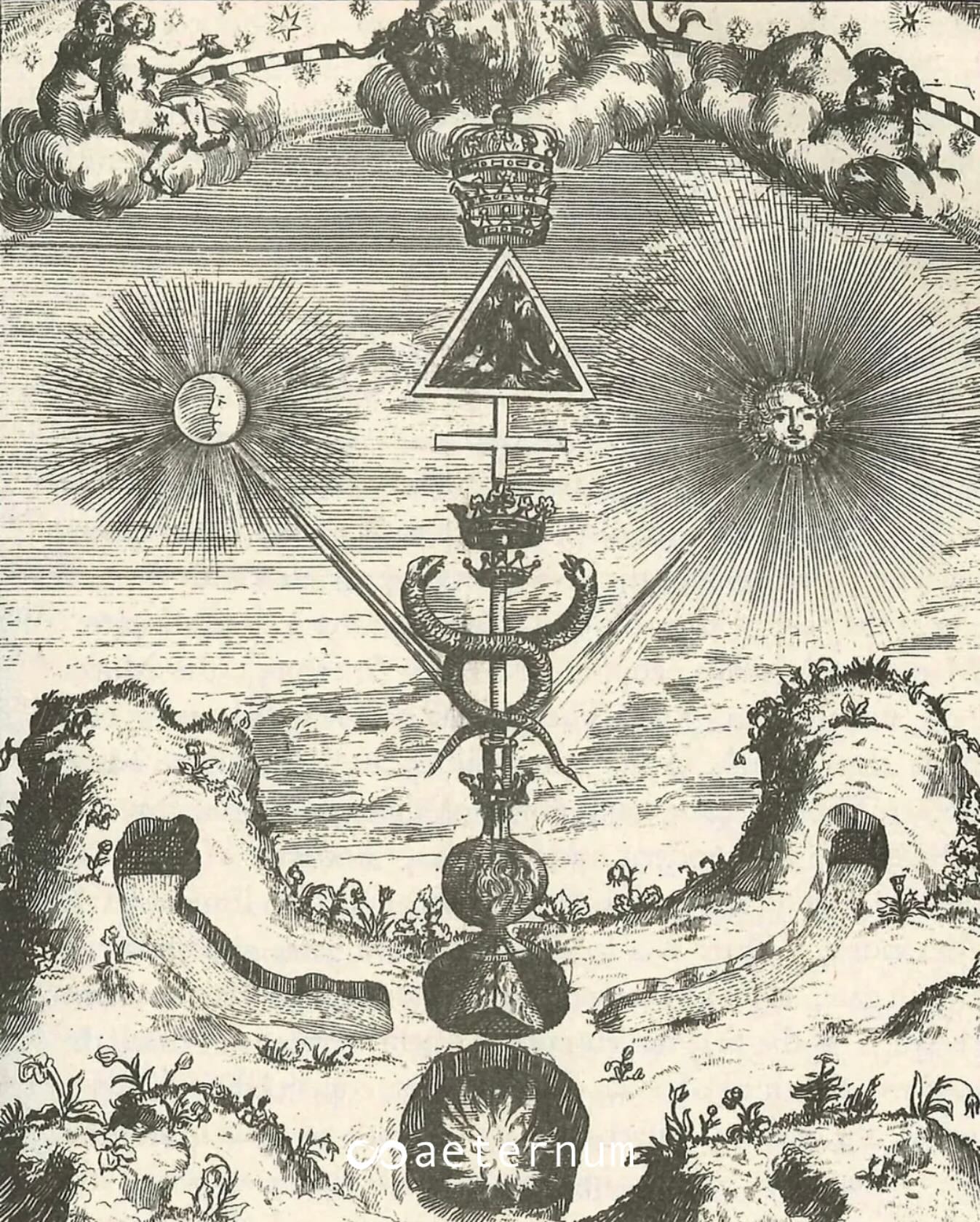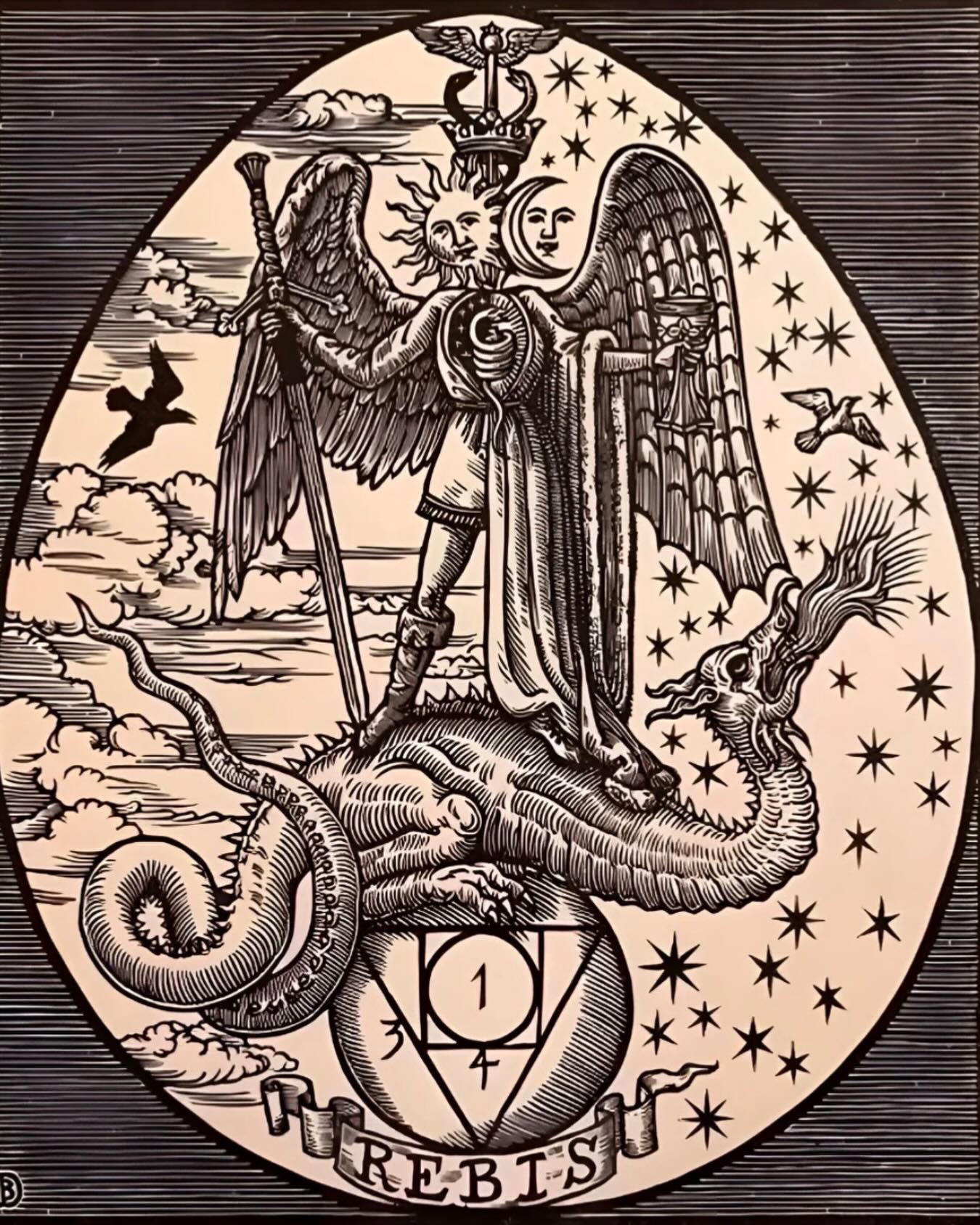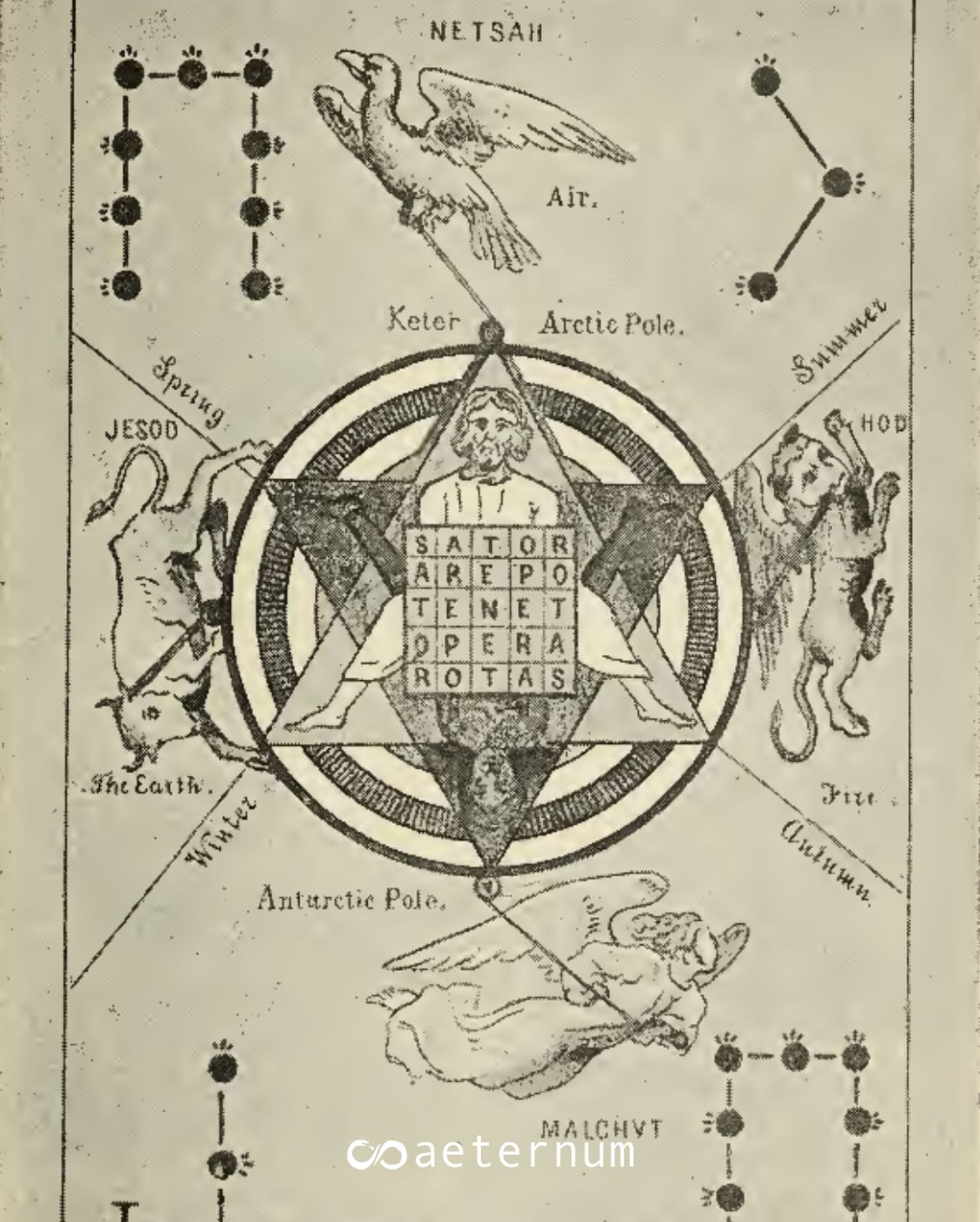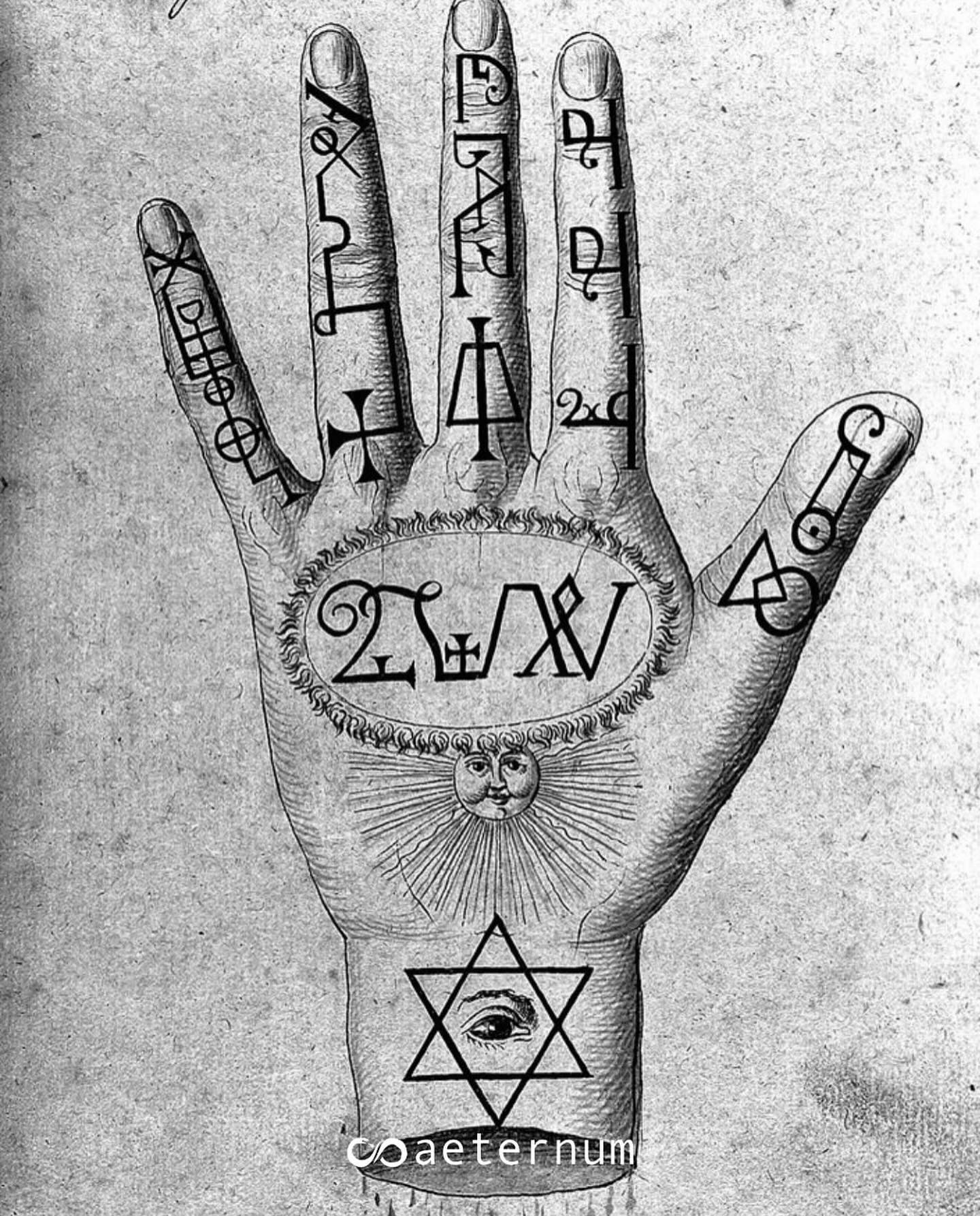






























































































Three travelers follow the star to Bethlehem. Julio reads in their offerings a story of Christ, from his coming to the fulfillment of his reign.
Read the symbolism
The notice names Caspar, Melchior, and Balthazar and describes myrrh, incense, and gold. Julio interprets these gifts through the life, divinity, and reign of Christ. The star connects the figures' journey with their destination.
The attributed effects
The historical application given to this sign concerns epilepsy and conditions then described as nervous disorders. This attribution is Julio's; in his book, the figure is presented as an aid to prayer and devotion.
Julio's use
Julio describes a sign worn by the person concerned. The practical advice in the book indicates the blessing and consecration of supports. The notice does not ask that gold, incense, or myrrh be physically placed beside the image.
A personal reading
A personal reading can follow three moments: the star that guides, the path to travel, and the gift one brings. Consider what guides your journey and what you wish to offer attentively to those around you.
The source and variants
The engraving is mentioned in the Liturgical Prayers, p. 531. The three offerings are described in notice no. 42 of the old inventory.
Abbé Julio, The Secret Book of Great Exorcisms and Blessings, Vincennes, at the author's, 1908. Explanation and application no. 42, pp. 436–437. Practical advice on blessed and consecrated supports: pp. 462–463.
Classical directory numbering: 15 of 44. This numbering differs from the inventory of engravings in the old volumes.
Read the notice in the 1908 edition
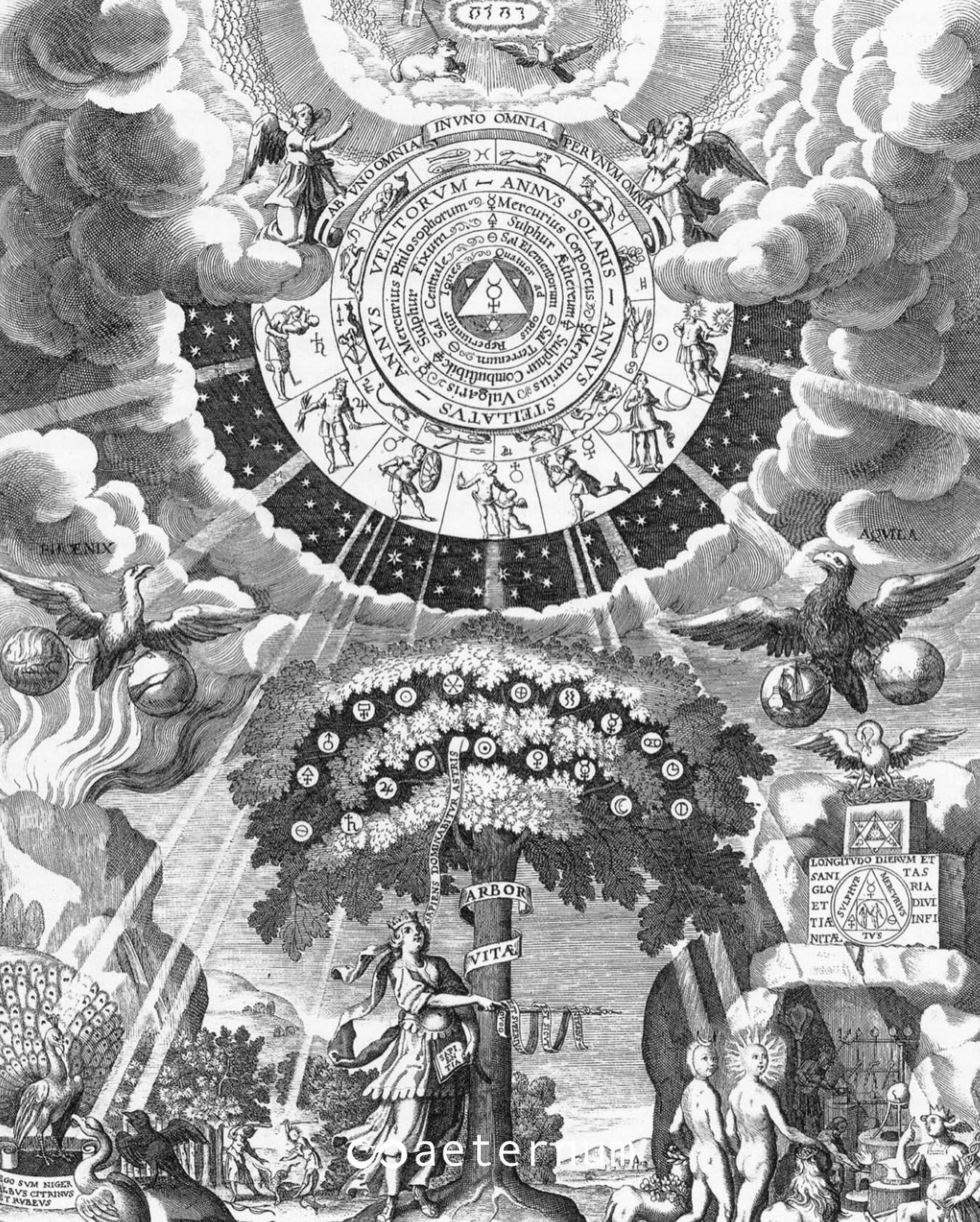
Image: historical reproduction distributed by Oracles.ch. The reproduction does not allow its edition to be identified precisely; it is preserved at its native resolution, without redrawing the characters or artificial enlargement. The text of the entry is based on the 1908 notice.