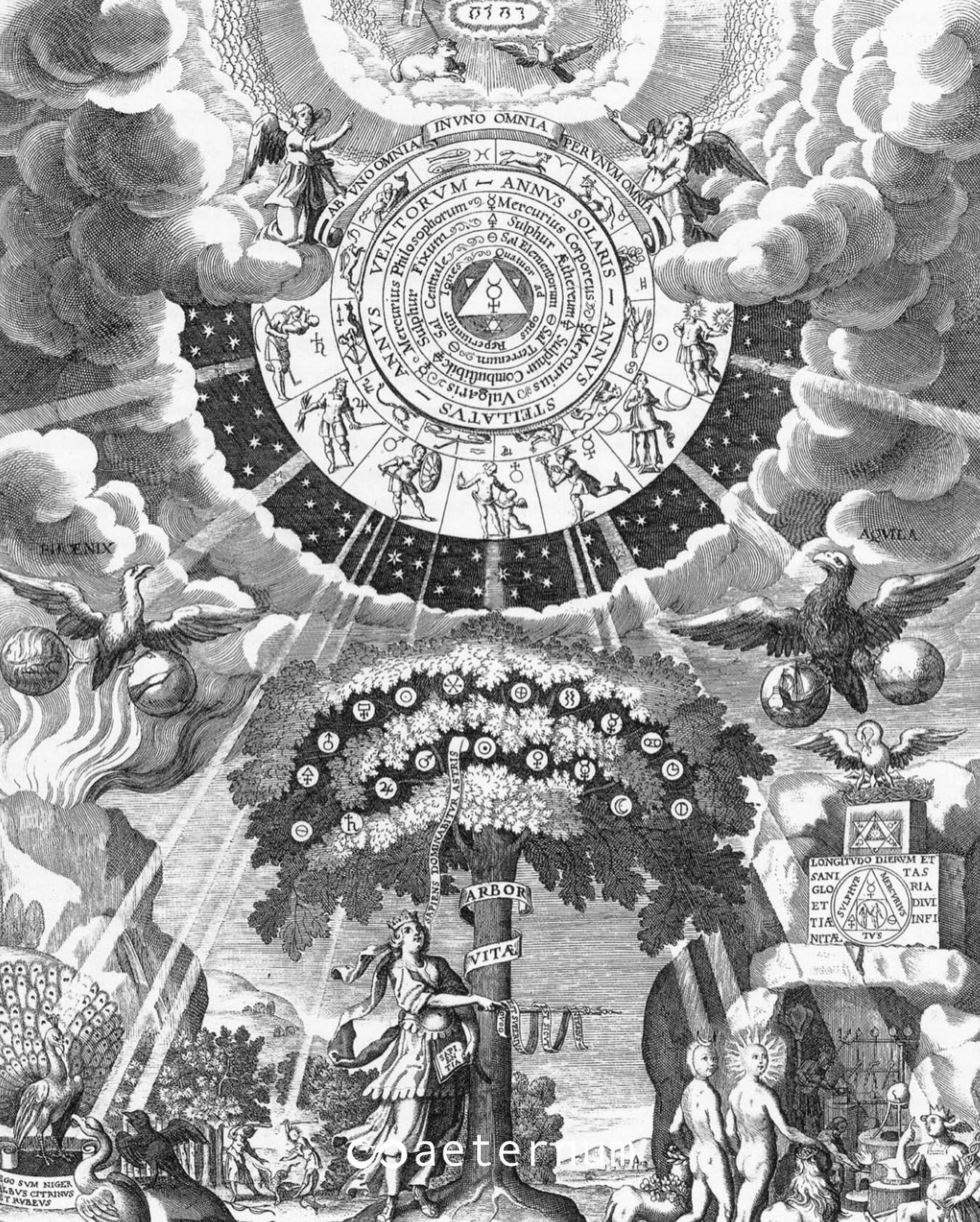































































































Christian prayer may take the form of spoken words, meditation on Scripture, or silence filled with the presence of God. The different traditions offer methods and rhythms that extend a history begun in the Gospels.
A relationship with God
Christian prayer takes various forms: blessing, adoration, petition, intercession, thanksgiving, and praise. It may be vocal, meditative, or silent. It does not seek to compel God through an exact formula; it engages a relationship and a disposition of the heart.
A simple beginning
Choose a place and a few available minutes. Collect yourself, optionally make the sign of the cross, then read a brief passage from the Gospel or a psalm. Name what inspires gratitude, concern, or a request for forgiveness. End with the Our Father or silence. This suggestion is a practical guide, not a universal liturgical prescription.
The place of the body and objects
Sitting, standing, kneeling, or folding one’s hands can help express attentiveness. An icon, a cross, or a candle can support contemplation, but no object is essential to personal prayer. The price, material, and rarity of an object do not measure the value of prayer.
Distractions and dryness
Feeling nothing does not mean that the prayer is useless or rejected. Distractions can be acknowledged and then set aside without being harsh toward oneself. The spiritual tradition also speaks of dryness and perseverance. If a practice becomes a source of anxiety or excessive compulsion, human and spiritual support can help restore a proper freedom.
Personal prayer and liturgy
The liturgy is the prayer of the Church celebrated according to its books and ministries. Personal prayer can draw nourishment from it without reproducing a sacramental celebration. A layperson may pray the psalms, lead certain communal prayers, and bless God; this does not confer on them the mission of celebrating the sacraments reserved for ordained ministers.
Praying with the words of the Bible and the Church
The Lord’s Prayer and the Psalms hold a special place among prayer texts. Liturgical celebrations also incorporate hymns, blessings, and intercessions developed over the centuries. Biblical meditation consists of reading a passage slowly, understanding its context, and allowing its meaning to guide prayer. Contemplation does not necessarily involve an extraordinary experience: it can arise from steady and simple attention.
The Christian tradition distinguishes petition, thanksgiving, praise, adoration, and intercession without treating them as watertight compartments. The Rosary, the Liturgy of the Hours, and spontaneous prayers correspond to different ways of inhabiting the same relationship with God. Daily perseverance matters more than searching for a secret formula capable of obtaining a predetermined response.