





























































































General Description of Marzanna
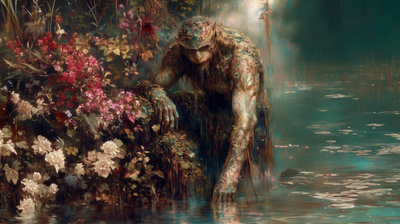
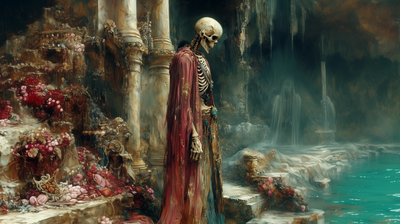
Marzanna is the Slavic goddess of winter, death, and disease. She symbolizes the end of the agricultural year and is associated with the forces of destruction and the end of life. As the personification of winter, her cult is closely linked to the transition between winter and spring. Her effigies are burned or drowned during spring rituals to mark the end of winter and the arrival of spring renewal.
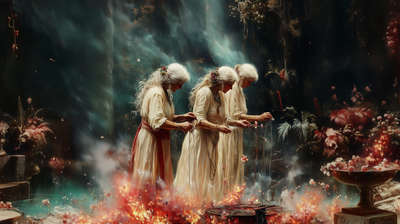
In Poland, Slovakia, and other Slavic countries, the rite of "drowning Marzanna" is still practiced today, where a straw effigy representing the goddess is thrown into a body of water, symbolizing her return to the Otherworld and the rebirth of nature.
Marzanna Correspondences Table
| Stones | Obsidian, onyx |
| Colors | Black, white, silver |
| Plants | Yew, fir, nettle |
| Signs | Scorpio, Capricorn |
| Planet | Saturn (symbol of death and time) |
| Offerings | Burned herbs, bread, water |
Symbols and Appearances
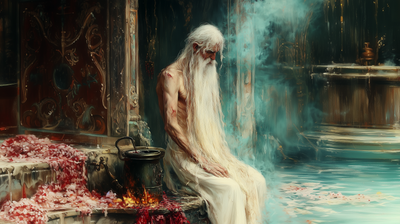
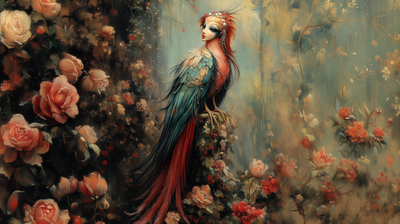
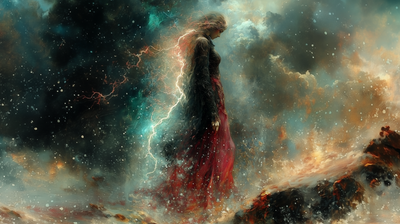
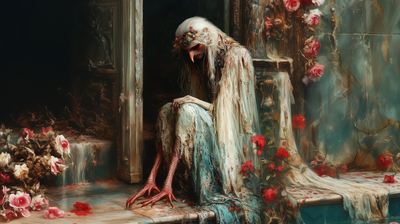
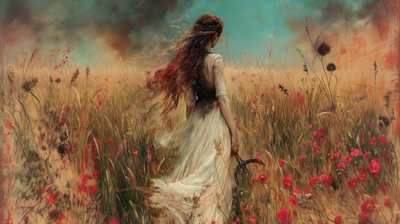
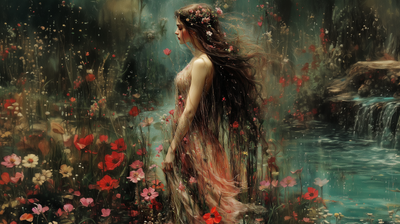
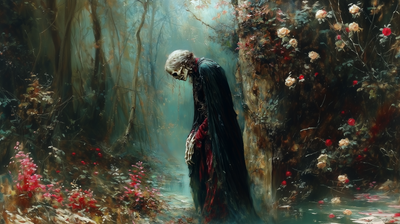
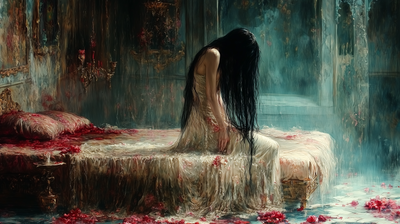
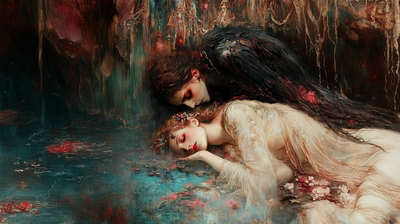
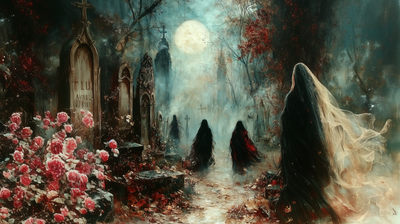
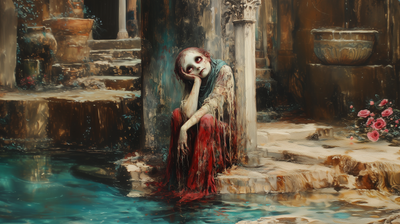
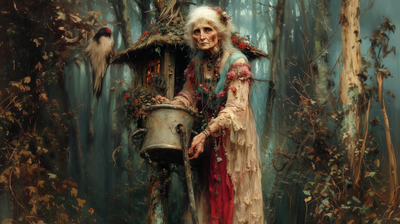
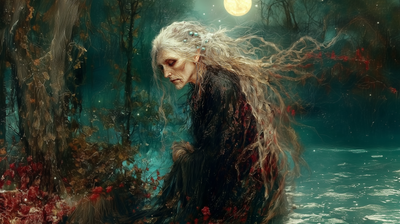
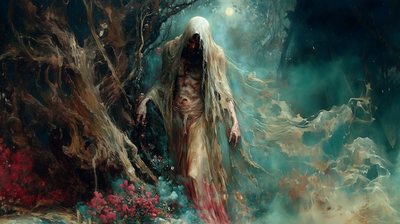
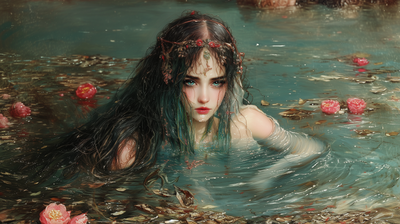
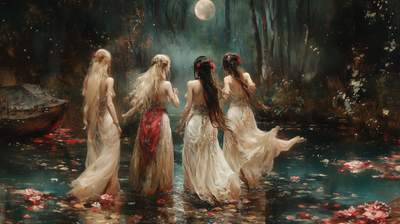
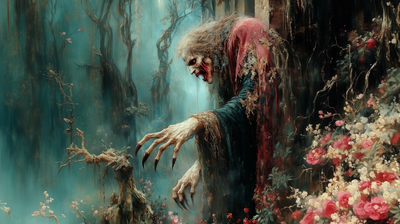
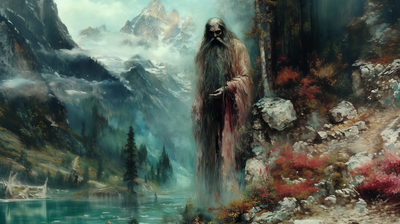
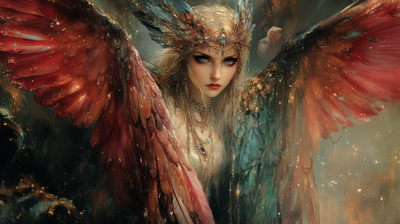
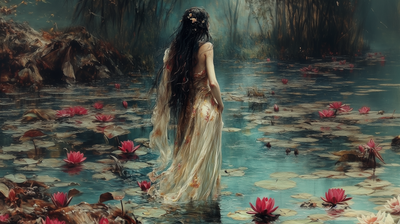
Marzanna is often described as a woman dressed in white or black, symbolizing her association with winter and death. Her representations vary: she can appear as a frightening old woman or a beautiful young woman in some rituals. She is mainly associated with fields, declining nature, and destructive forces that must be driven away to allow regeneration.
Genealogy of Marzanna
Marzanna does not have a clear divine genealogy in Slavic myths, but she is often contrasted with spring deities such as Vesna or Lada, who symbolize life and rebirth. Marzanna is also sometimes associated with Chernobog, the dark god, as the mother of the war god Triglav.