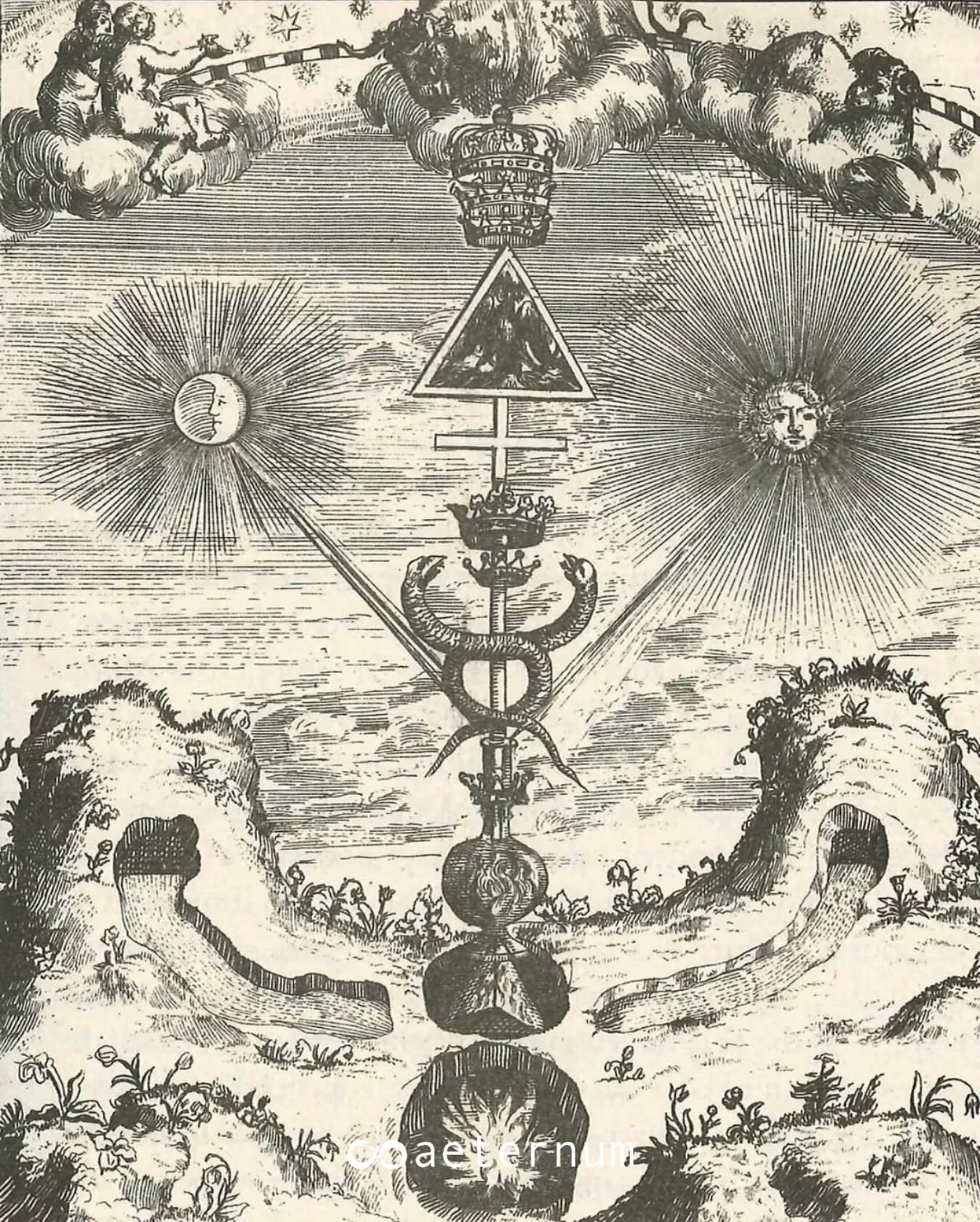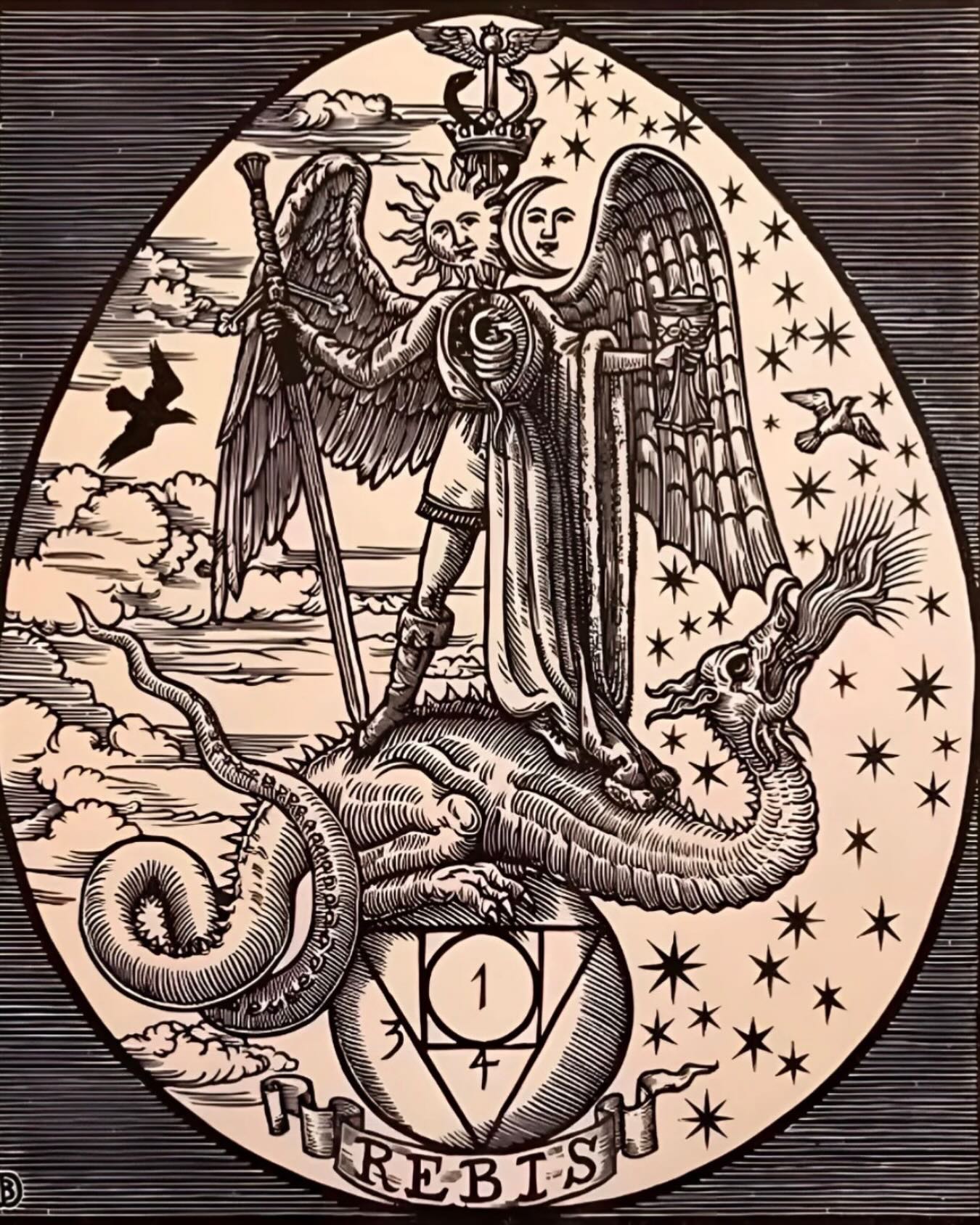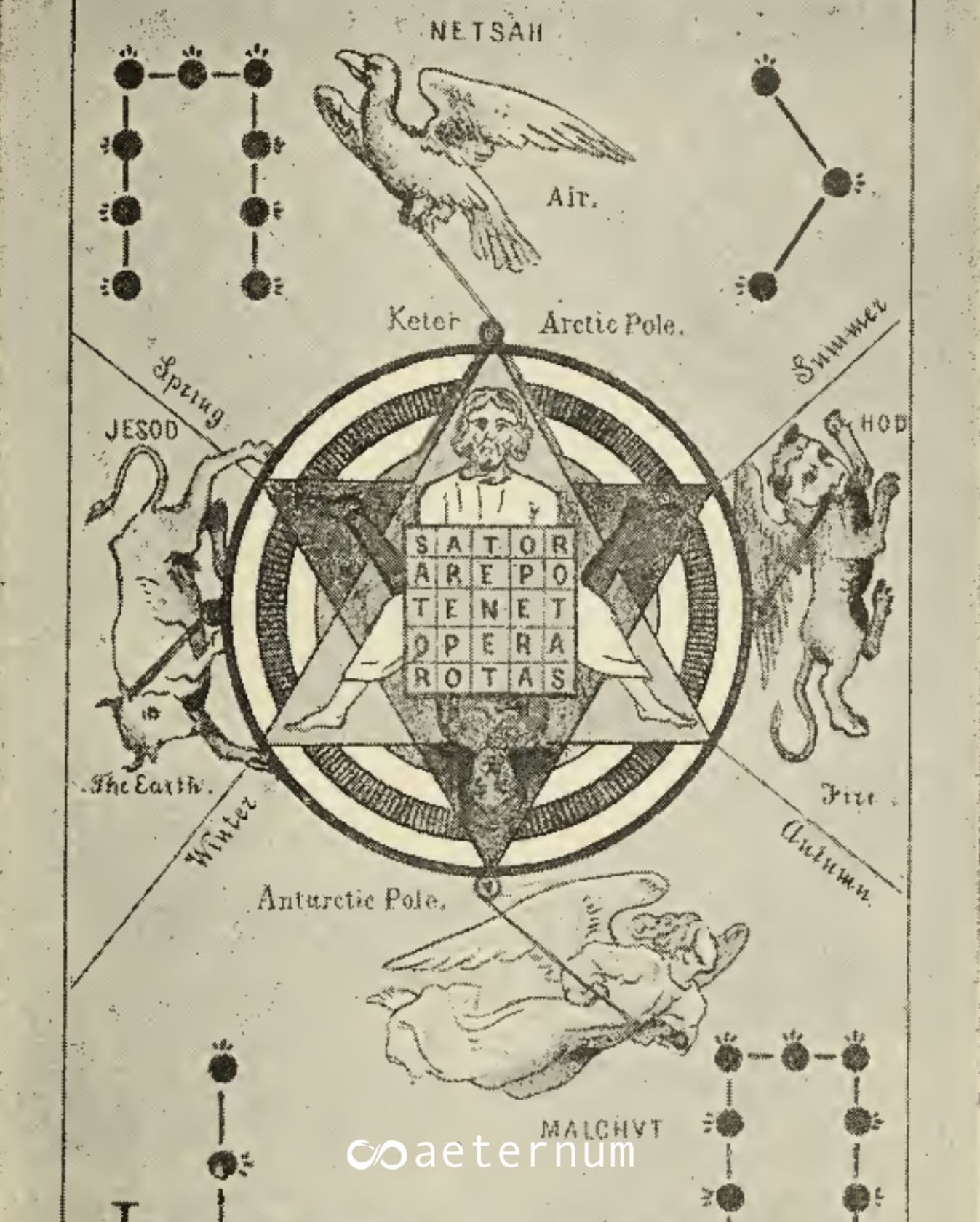































































































Pliny relates that snakes made fennel famous: after shedding, they would eat it and rub their eyes with its juice to regain clear sight. In the 17th century, Nicholas Culpeper placed the plant under Mercury and Virgo in his medical astrological system. These texts do not provide a recipe for clairvoyance. They compose a historical mystery of vision: leaving behind a skin that has become too tight, examining what clouds sight, and choosing a language capable of ordering observation.
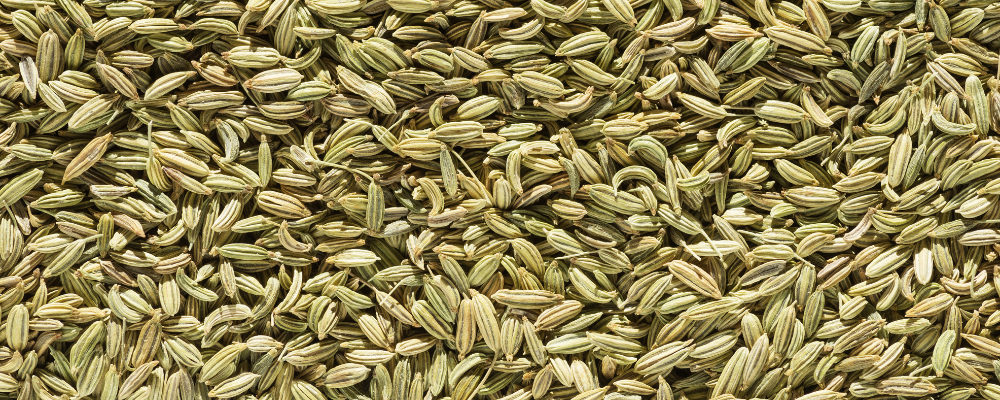
Common fennel is Foeniculum vulgare Mill., a large perennial Apiaceae with leaves divided into filaments and yellow umbels. The “grains” sold commercially are its elongated, ribbed dry fruits.
The ocular reputation comes from an observation attributed to snakes by Roman natural history. The Mercurial correspondence belongs to Culpeper’s plant astrology. Current practice preserves shedding, gaze, and classification in the form of a drawing, while the product remains closed on the left, with no infusion, fumigation, oil, or contact with the eyes.
A ribbed fruit in an umbel
Foeniculum vulgare forms upright stems bearing finely divided leaves. The yellow flowers gather in compound umbels. Each small dry fruit separates into two ribbed mericarps.
Kew accepts the species and places its native range from the Mediterranean to Ethiopia and western Nepal. Kew, Foeniculum vulgare.
The aniseed fragrance is released when the fruit is crushed. The ridges preserve the trace of an ordered structure and offer five visible lines for classifying an observation.
The fruit thus becomes an instrument of reading. A question can be followed along several lines without being reduced to an impression or a sudden revelation.
The snake that renews its gaze
In Book 20 of Natural History, Pliny states that snakes made fennel famous. After shedding their old skin, they supposedly tasted it and restored the sharpness of their eyes with its juice.
The author infers preparations intended for human eyesight. This passage belongs to the medical reasoning of its time and conveys an imagined relationship between shedding, plant, and sight. Pliny, Natural History, book 20, 254.
The snake does not become a pharmacological authority. It provides the text with an animal master whose behavior seems to reveal the plant’s property.
Seeing differently begins by leaving a casing behind. The shedding separates an old way of looking from the examination that follows.
Culpeper’s Fennel of Mercury
In The Complete Herbal, Nicholas Culpeper classifies fennel under Mercury and the sign of Virgo. His explanation also links the plant to fish served at the table and to the astrological opposition between Virgo and Pisces.
The entry lists medicinal uses of the leaves, seeds, and wine. It bears witness to a system in which planet, sign, organ, and plant matter correspond to one another. Nicholas Culpeper, “Fennel” entry.
The Mercurial correspondence therefore has an author and a date. It does not represent a universal truth hidden in the fruit.
For a current practice, Mercury becomes the historical reference point for classification, language, and analysis. The ribbed fruit accompanies a written method that asks each claim for its source.
Common fennel and Prometheus’s giant fennel
The story of Prometheus concealing fire in a large stalk is associated with a giant fennel, a plant of the genus Ferula. English translations refer to “giant fennel,” bringing two Apiaceae species closer without making them identical.
Foeniculum vulgare has thin, hollow stems, while giant fennels develop robust stalks whose pith can smolder. Scholarly notes in Apollodorus’s Bibliotheca identify the narthex as the giant fennel Ferula communis. Apollodorus and the identification of the narthex.
This difference offers a grimoire lesson: a translation can create a seductive correspondence that disappears when the botanical genus is restored.
The magic of Fennel therefore preserves Pliny’s serpent and Culpeper’s Mercury. The stolen fire remains attached to the ferula and its own story.
Draw five ribs of discernment
Draw an elongated Fennel fruit with five ribs. In the first, write what you saw. In the second, separate what you heard.
Reserve the third rib for interpretation, the fourth for the verifiable source, and the fifth for the action that remains possible despite the uncertainty.
Around the fruit, draw an open snake skin. Write on it the idea you are abandoning because it no longer corresponds to the facts.
Place the closed sachet to the left of the page. Reread the five ribs in order and remove any element placed on the wrong line. Date the reading obtained and schedule its next review.
Historical correspondences
| Reference | Correspondence |
|---|---|
| Botanical name | Foeniculum vulgare Mill. |
| Family | Apiaceae |
| Nature of the “seeds” | Ribbed dried fruits dividing into two mericarps |
| Sources | Pliny, book 20, and Culpeper in the 17th century |
| Magical domains | Shedding, gaze, language, sorting, and discernment |
| Safe form | Fruit drawn with five ribs |