


















































































































The Christian liturgical year organizes the celebration of the major events in Christ's life and the commemoration of the saints. In the Roman rite, it begins with Advent, passes through Christmas and Lent, reaches its center at Easter, and continues through Pentecost before moving on to Ordinary Time. The colors of the vestments, the readings, and the hymns change to give these periods a tangible form. This calendar is not merely a succession of religious anniversaries. It invites communities each year to journey through the mystery of the birth, Passion, Resurrection, and gift of the Holy Spirit, making Sunday a fundamental rhythm.
| Roman beginning | First Sunday of Advent |
|---|---|
| Center | Easter and the Paschal Triduum |
| Main periods | Advent, Christmas, Lent, Easter season, Ordinary Time |
| Pentecost | Fifty days from Easter |
| Weekly day | Sunday, commemoration of the Resurrection |
| Colors | Purple, white, red, and green depending on the celebrations |
Sunday, the first rhythm of the liturgy
The first Christian communities gathered to celebrate the memory of Christ's Resurrection. Sunday quickly acquired a central place, linked to the first day of the week and the Gospel accounts of Easter. The breaking of bread, the readings, and communal prayer gave this day a particular role in the lives of the faithful.
Sunday Mass therefore does not simply correspond to a social habit inherited from the Middle Ages. It belongs to an ancient tradition that connects the assembly of the baptized with Christ's victory over death. The annual calendar would later develop feasts and seasons around this rhythm.
The Eucharistic memorial lies at the heart of Sunday. It helps explain why the great celebrations, despite their differences in form, always return to the Passion and the Resurrection.
Advent, a season of preparation and waiting
The Roman liturgical year begins with the first Sunday of Advent. This period comprises four Sundays and prepares for the celebration of Christmas, while also recalling the expectation of Christ's glorious return. The readings bring together prophetic promises, the preaching of John the Baptist, and the accounts announcing the birth of Jesus.
Purple dominates the liturgical vestments during this period, while the third Sunday, called Gaudete, may be marked by rose. The Advent wreath and its candles are a preparation custom whose history differs from that of the liturgical texts. It helps families mark the passage of time, but is not necessary for the celebration of Mass.
Advent is not simply a commercial countdown to Christmas. It proposes an attitude of waiting and conversion that gives the feast its meaning.
Christmas, Epiphany, and the season of Christ's birth
Christmas celebrates Christ's birth and faith in the Incarnation. December 25 was gradually adopted into the Christian calendar during late antiquity. It is not a birth date proven by a contemporary record of Jesus. Its liturgical meaning refers to the coming of the Word into the world, and the readings draw in particular on the accounts of Matthew and Luke and on John's prologue.
Epiphany recalls the manifestation of Christ, particularly through the visit of the Magi in the Roman tradition. The Baptism of the Lord concludes the Christmas season according to the current calendar. In the Eastern Christian Churches, the emphases and calendars of these celebrations developed differently.
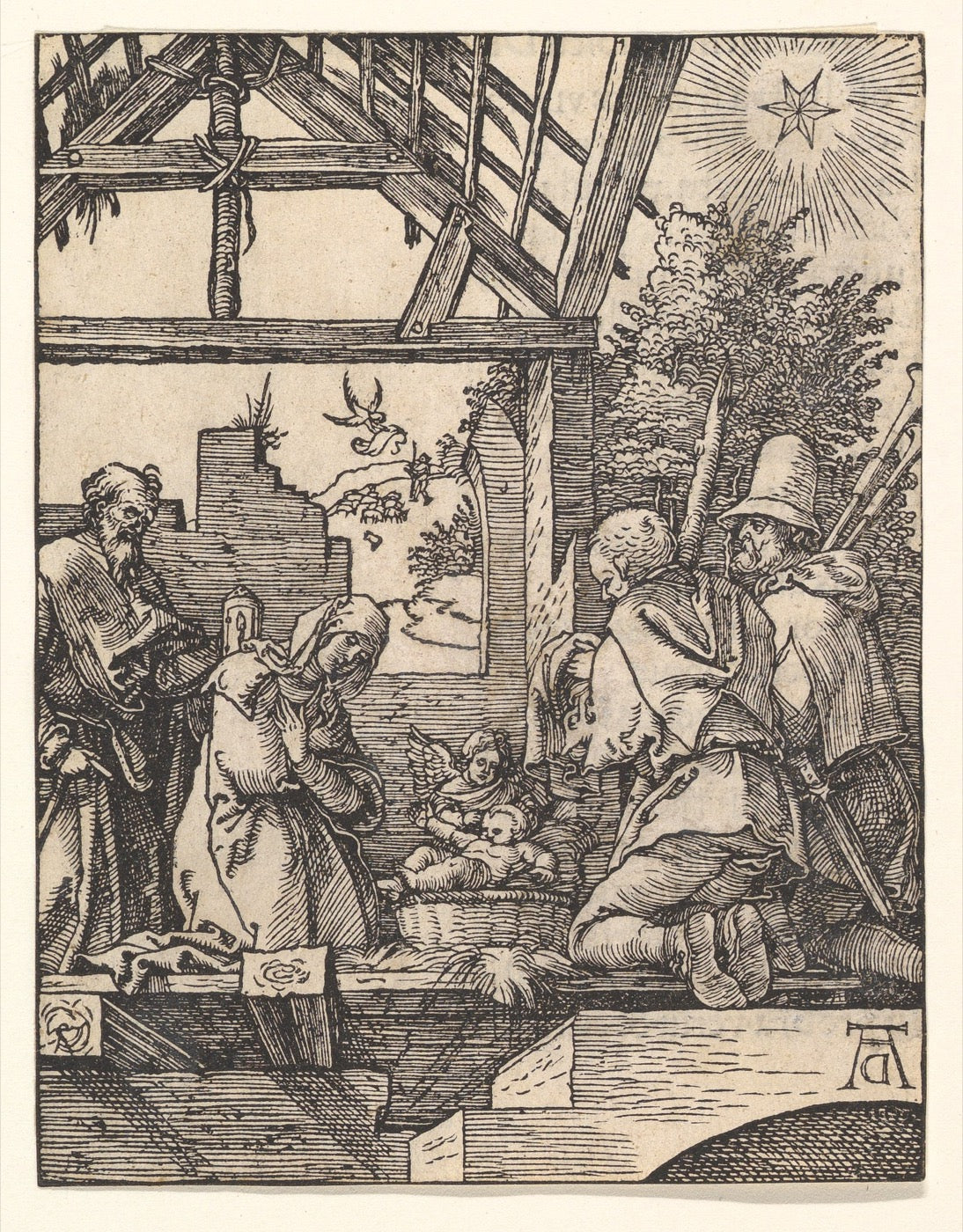
White, the color of the great feasts of Christ, dominates this period. Nativity scenes, hymns, and representations of the Child developed over the centuries and have their own artistic history.
Lent and preparation for Easter
Lent begins on Ash Wednesday in the Roman rite and prepares the faithful for the celebration of Easter. It is linked to conversion, prayer, fasting, and charity. The forty days recall several biblical periods of trial and preparation, particularly Jesus' time in the desert.
The liturgical duration is calculated according to conventions that distinguish, in particular, the Sundays of Lent, which are days celebrating the Resurrection. Purple marks the period; the fourth Sunday, called Laetare, may be associated with rose. Catechumens also prepare for the sacraments of initiation during the Easter Vigil.
The meaning of Lent does not rest on seeking spectacular deprivation. Practices of prayer, sharing, and conversion should lead to a life that is more attentive to God and to others.
The Triduum, the heart of the entire year
The Paschal Triduum begins with the evening Mass of Holy Thursday, passes through Good Friday and Holy Saturday, and reaches its climax in the Easter Vigil and Easter Sunday. These days together celebrate Christ's Passion, death, and Resurrection. They constitute the center of the Christian liturgical year.
Holy Thursday recalls the Last Supper and the washing of the feet; Good Friday contemplates the Passion and the cross; the Easter Vigil celebrates the risen Christ through a series of readings, signs of light, and baptismal rites. The celebrations have different structures and should not be treated as three unrelated feasts.
The Paschal candle recalls the light of the Risen One. It remains present during the Easter season and at baptisms and funerals, creating a visible link between these moments of Christian life.
Fifty days from Easter to Pentecost
The Easter season extends from Easter to Pentecost, fifty days later. The readings present encounters with the Risen One, the first apostolic proclamations, and the birth of the communities. The Ascension, celebrated on the fortieth day or transferred to Sunday according to local practice, belongs to this period.
Pentecost recalls the gift of the Spirit to the disciples gathered in Jerusalem. The feast concludes the Easter season in the Roman calendar. Red, used for this celebration, evokes the fire of the Spirit and witness; white characterizes the other great Easter feasts.
These weeks show that the Resurrection is not celebrated on a single morning: it remains the center of an entire season that ends with the sending of the disciples on their mission.
Ordinary Time and the feasts of the saints
Ordinary Time fills the periods outside the great Christmas and Easter cycles. Its name does not mean a period without importance. It allows the faithful to journey through Jesus' words and deeds, through the Sunday and weekday readings. Green, the color associated with growth and hope, is normally used in these celebrations.
The feasts of the saints punctuate the entire year, with solemnities, feasts, and memorials of different ranks. November 1 celebrates All Saints, while November 2 is devoted to the commemoration of the faithful departed. Other feasts honor Mary, the apostles, and the great witnesses of Christian history.
The communion of saints gives this calendar meaning: the community remembers not only the events of Christ's life, but also the people who sought to live them out.
Sources and references
Second Vatican Council, Sacrosanctum Concilium, nos. 102–111, liturgical year.
Compendium of the Catechism, questions on the liturgy, Sunday, and the Christian year.
Acts, chapter 2, Pentecost; Luke, chapter 24, Easter.
Illustration: Limbourg Brothers, The Très Riches Heures of the Duke of Berry, January (early 15th century), public-domain reproduction.










