






























































































Jean-Marie Vianney, known as the Curé of Ars, is one of the most prominent French priestly figures of the 19th century. His life unfolded mainly in a rural parish where teaching, confession, and prayer gradually attracted the faithful from very far away.
| Vocation | Priest, Curé of Ars |
|---|---|
| Period | 1786–1859 |
| Celebration | August 4 |
Life and historical landmarks
Jean-Marie Vianney grew up in a France marked by the Revolution. After difficult training, he became a priest and arrived in Ars in 1818. His parish ministry, preaching, and the time he devoted to the sacrament of reconciliation gradually attracted many visitors. His memory is closely linked to pastoral service and spiritual guidance. He was canonized in 1925.
Born in 1786 in a France experiencing the religious upheavals of the Revolution, he encountered difficulties in his studies before entering the priesthood. Appointed to Ars, he sought to revive Christian life through catechesis, celebrations, and welcoming people. The account of his long hours in the confessional played a major role in shaping his memory as a pastor.
Transmission of accounts and traditions
His difficulties with certain studies do not mean that ignorance is a virtue or that education is unnecessary. Accounts of spiritual battles belong to their religious context; they do not allow psychological difficulties to be attributed to a supernatural cause.
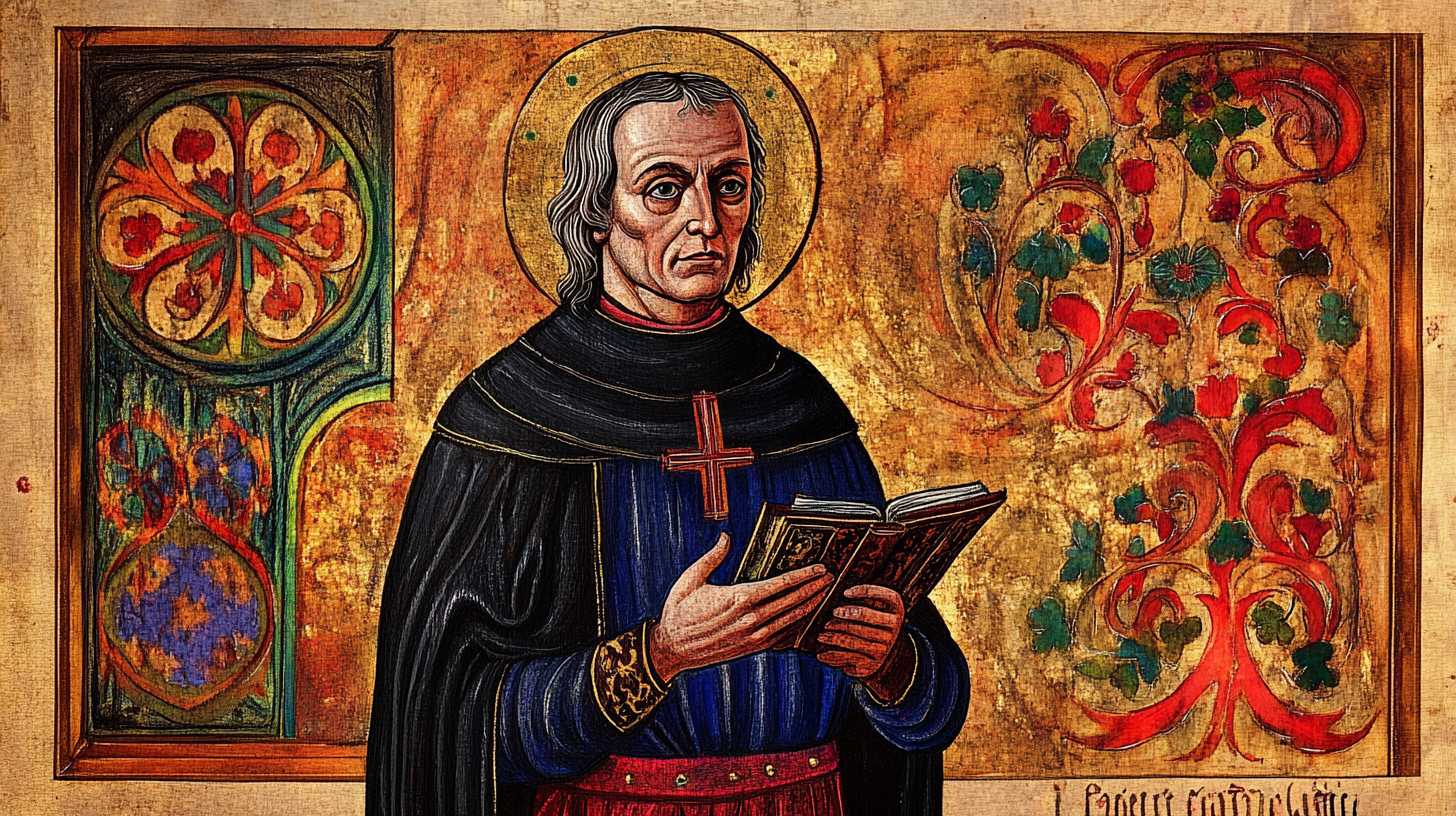
In images, the black cassock, surplice, and stole evoke his ministry. The saint is not associated solely with asceticism: his pastoral initiatives and relationship with parishioners shed light on the practical dimension of his commitment. His feast is celebrated on August 4.
Iconography and attributes
The cassock, surplice, and stole evoke his ministry. His gaunt face and white hair come from the tradition of his portraits. The confessional may serve as a narrative attribute.
Spirituality and legacy
His legacy invites openness and attentiveness. The sacrament of reconciliation is prepared freely and with confidence; pastoral support respects conscience and does not replace other forms of necessary help.
Christian feast and memorial
The date indicated refers to the Roman rite or the specified local usage. The actual celebration may vary according to the calendar for the year. In the Catholic faith, asking a saint's intercession means asking him to pray to God; it does not mean attributing independent power to him. An image or devotional object may accompany this practice without being necessary for prayer.