






























































































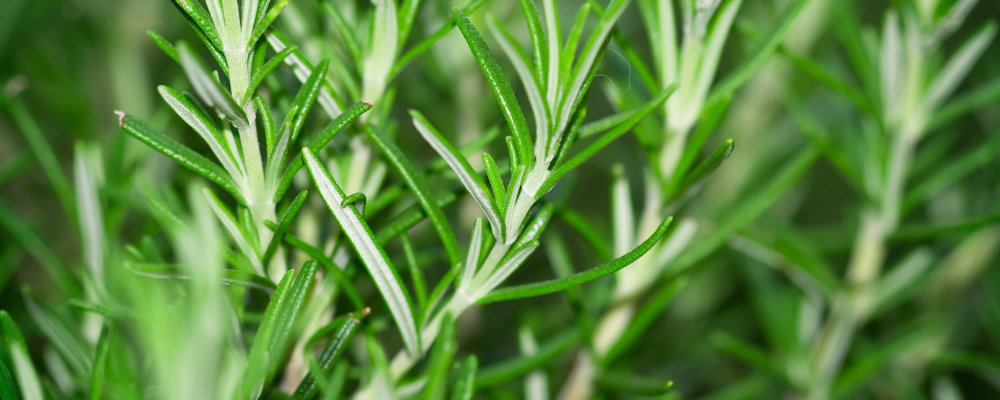
Rosemary keeps its narrow leaf throughout the seasons and releases its fragrance at the slightest touch. For Culpeper, the Sun claims it and the Ram gives it a celestial sign. In Hamlet, Ophelia offers Rosemary for remembrance. The plant thus brings together light, memory, and addressed speech: remembering a person, keeping a promise, and making present what risks disappearing.
The accepted botanical name is Salvia rosmarinus Spenn. The historical name Rosmarinus officinalis L. remains widespread in books, on labels, and in monographs. Both names refer here to the same Mediterranean shrub.
Rosemary’s association with memory is not a recent invention. It appears on the Elizabethan stage and intersects with the plant’s funerary and domestic uses. The proposed practice transforms this history into a record of commitment, without fumigation.
A Mediterranean shrubby sage
Salvia rosmarinus belongs to the Lamiaceae family. Its woody stems bear evergreen leaves that are narrow and dark green above, with paler undersides. The light blue, violet, pink, or white flowers have the bilabiate form of the genus Salvia.
Kew accepts Salvia rosmarinus and treats Rosmarinus officinalis as a synonym. Its native range surrounds the Mediterranean. Kew, Salvia rosmarinus.
The leaf limits water loss through its shape and pale underside. The fragrance comes from glands that produce volatile compounds. The shrub withstands sun, well-drained soils, and sea spray from several coastlines.
Its persistence gives memory a natural substance. The sprig remains green when other plants have lost their leaves. Memory becomes a maintained presence, not a motionless image.
Culpeper’s Sun and Ram
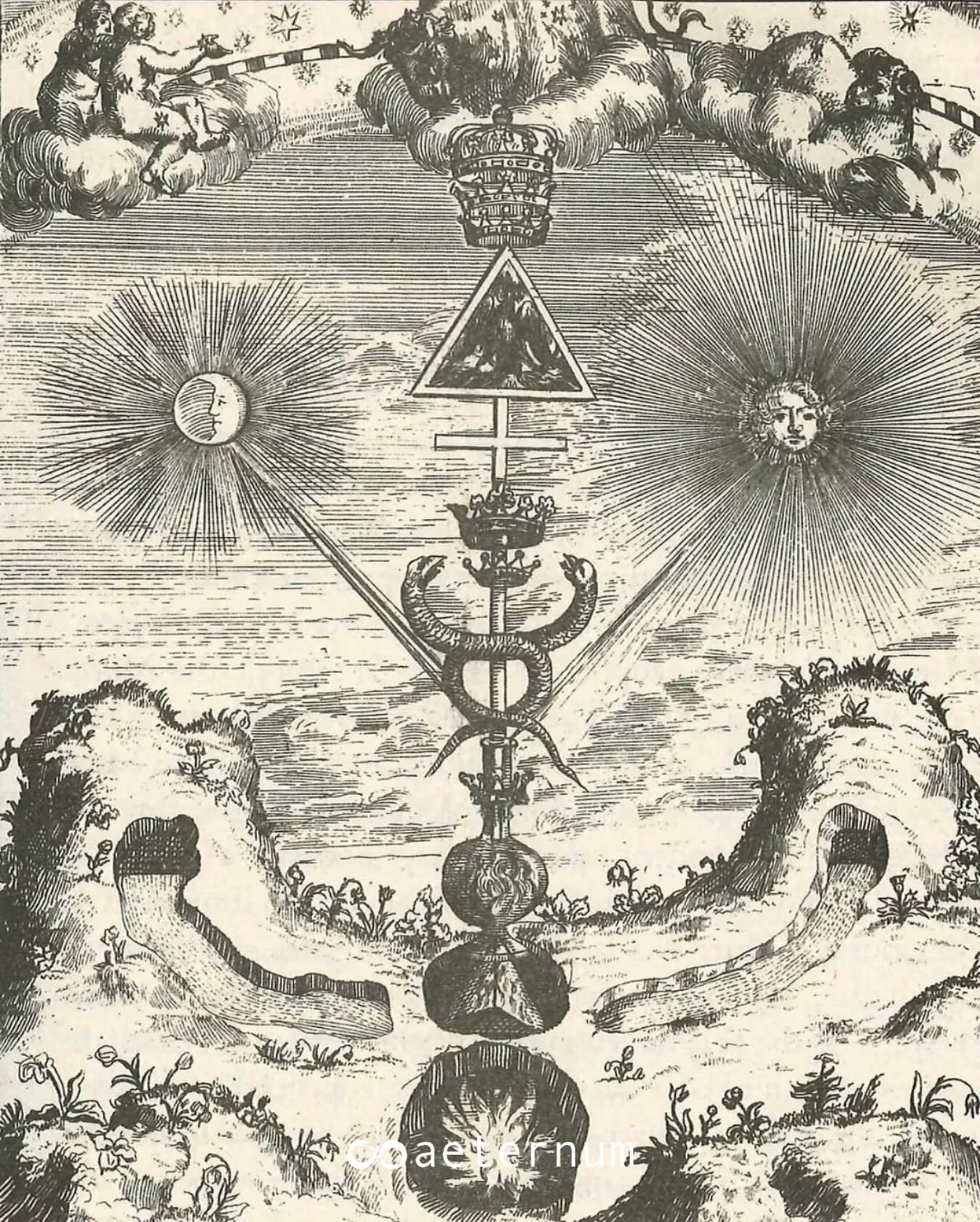
In The Complete Herbal, Nicholas Culpeper wrote in the 17th century that the Sun claims Rosemary and that the plant is found under the celestial Ram.
His system associates Rosemary with warmth, the heart, the head, and the senses. He also attributes to the plant the ability to support memory. Nicholas Culpeper, “Rosemary” entry.
The Sun brings visibility and continuity. Aries leads the way and carries the momentum of beginnings. Together, they give memory an action-oriented purpose: remembering in order to move forward, speak, or accomplish.
This correspondence has an author, a century, and a medical rationale. It should not become a rule valid for every era. In the entry, it serves as a historical reference point for a solar practice of remembrance.
Ophelia and the Rosemary of remembrance
In Act 4 of Hamlet, Ophelia distributes plants whose names each carry meaning. She gives Rosemary for remembrance and asks her brother to remember.
The scene takes place after Polonius's death. Memory there is neither gentle nor decorative. It binds mourning, broken speech, and what remains to be acknowledged in a court marked by violence. Folger Shakespeare Library, Hamlet, Act 4.
The proffered sprig acts as a public message. Ophelia does not keep the Rosemary for herself: she gives it to someone and accompanies the gesture with an injunction to remember.
Remember, then answer for that memory. In Shakespeare, Rosemary transforms memory into an address.
Memory, mourning, and commitment
Remembering can mean preserving a name, fulfilling a promise, or recounting a fact accurately. Rosemary makes it possible to distinguish these tasks. Each requires a different medium.
For mourning, the plant marks a presence without pretending to hold on to the dead person. A written name, a date, and a passed-on gesture form a more truthful memory than an accumulation of objects.
For a commitment, solar Rosemary brings the promise into the light. What must be accomplished receives a deadline and a witness. The memory no longer depends on the mood of the day.
For an account, the narrow sheet can represent a factual line. Write down what was seen, heard, or decided. Then separate the interpretation. Memory gains strength when its different layers remain visible.
Keep a record of remembrance
Divide a page into three columns titled “name,” “fact,” and “action.” In the first, write down the person, promise, or event to be kept in memory.
In the second, write a dated fact without adding any hidden intention. In the third, indicate the action that honors this memory today.
Place the closed product to the left of the page. Above the columns, draw a small solar disk and, to its right, an arrow that opens the movement. Read each line from left to right.
Choose one action and complete it before sunset. Then mark the line with a dot. The record remains open until each memory has either an action or a clearly named resting place.
Historical correspondences
| Reference point | Correspondence |
|---|---|
| Accepted name | Salvia rosmarinus Spenn. |
| Historical synonym | Rosmarinus officinalis L. |
| Correspondence according to Culpeper | Sun and Aries, 17th century |
| Literary source | Hamlet, Rosemary for remembrance |
| Magical domains | Memory, mourning, commitment, and word |
| Safe form | Written record and closed product |
Find Rosemary at Aeternum
The Dried Rosemary is available in our Herb Shop, as is Rosemary essential oil. To compare it with other ritual plants, browse Dried Herbs and Magical Herb Shop.