





























































































The Orange did not enter the European imagination through the Garden of the Hesperides. The Greek golden apples do not allow the sweet orange to be identified. Its strongest symbolic history is read elsewhere: in horticultural routes from Asia, in the flower's fragrance, and in bridal crowns that made orange blossom a sign of virtue, fertility, and public union.
The Sweet Orange bears the horticultural name Citrus × sinensis. Kew's taxonomy now treats it within the synonymy of Citrus × aurantium f. aurantium, a cultivated hybrid derived from pomelo and mandarin lineages. The tree belongs to the Rutaceae and combines evergreen leaves, highly fragrant white flowers, and fruits with peel rich in aromatic glands.
Its historical magic is attached above all to the flower, marriage, and the passage into a shared home. The fruit brings roundness, color, and sharing. The zest leaves a fragrant trace, but its concentrated oil calls for caution that forbids confusing it with a simple peel.
The Sweet Orange and its true name
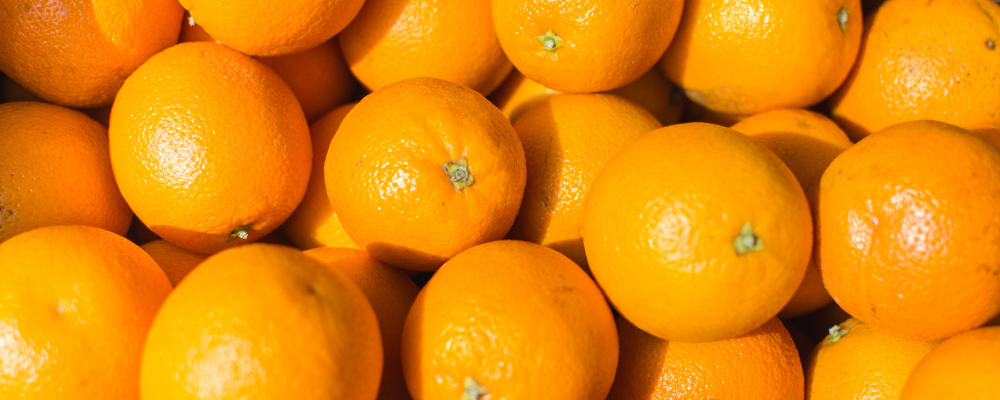
The sweet orange tree is an evergreen tree with dense branches. Its leathery leaves bear a winged petiole narrower than that of the bitter orange tree. The flowers have five white petals surrounding numerous yellow stamens. The fruit is a hesperidium: its flesh is divided into segments filled with juice vesicles.
The name Citrus × sinensis remains common in horticulture and commerce. Kew places it under Citrus × aurantium f. aurantium and locates this cultivar in southern China. Kew, taxonomy of the sweet orange tree.
This hybrid history transforms its magical reading. The Orange is not a solar fruit that emerged intact from Mediterranean antiquity: it results from crosses, grafting, and transport. Its symbolic power therefore also comes from connection, welcome, and the human art of making an encounter bear fruit.
Golden apples are not Oranges
Greek accounts speak of golden fruits kept in the garden of the Hesperides. The word used does not provide a botanical identification with the sweet orange. Later images brought the golden color of the citrus fruit closer to the story, and the association then took on the appearance of an origin.
The arrival and spread of citrus fruits in the Mediterranean followed several stages, and the sweet orange spread through Europe long after the Greek texts. Caution makes the story richer: the Hesperides belong to the history of the wondrous fruit, while the orange tree has its own material history.
The mystery is therefore not a false antiquity. It lies in the shift from a word to an image, then from an image to an identification. In magic, this lesson invites us to name the exact object before assigning it the weight of a myth.
A golden fruit can illuminate the imagination without, by that radiance alone, becoming a sweet orange.
Orange Blossom in Weddings
In Europe, orange blossom became a powerful bridal emblem. The Victoria and Albert Museum notes that brides wore sprigs or crowns of flowers before bouquets became widespread. Orange blossom represented virtue and fertility. V&A, floral wedding accessories.
Queen Victoria’s wedding in 1840 amplified this fashion. Her white dress was trimmed with orange blossoms, and her crown featured the same motif. Newspapers, engravings, and ornamental objects spread the image far beyond the court.
The British Museum holds an English brooch from the 1830s to the 1850s in the shape of a flowering branch. Its description links its popularity to wedding gifts and presents intended for bridesmaids. British Museum, orange blossom brooch.
The Mystery of the Flower and the Fruit
The orange tree can bear flowers, young green fruit, and ripe fruit at the same time. This coexistence offers a material image of promise, work in progress, and fulfillment brought together on a single branch.
The white flower carried the social language of virtue and alliance. The round fruit, shared in segments, adds the communal table. The magic of the Orange does not promise wealth without cause: it organizes the passage between commitment, patience, and distribution.
The peel protects and perfumes, the pulp nourishes, and the seeds extend the lineage. These layers invite us to distinguish appearance, content, and transmission. A fair pact sets out what will be shared, what will remain protected, and what will need to be cultivated later.
Forming the alliance crown
Draw a crown made of twelve Orange blossoms. Place at the center the name of a consensual alliance: marriage, partnership, household, or shared commitment. Write an actual date beneath the circle.
In four flowers, write the shared duties. In four others, note the resources contributed by each person. The final four receive the boundaries that protect the agreement, with wording clear enough to be reread without interpretation.
Add a fruit beneath the crown and divide it into segments. Each segment becomes a concrete result to share. Review the page with the people concerned if the commitment is collective, then keep it with the other parts of the pact.
Historical correspondences
| Reference | Correspondence |
|---|---|
| Horticultural name | Citrus × sinensis |
| Name accepted by Kew | Citrus × aurantium f. aurantium |
| Family | Rutaceae |
| Historical motif | Bridal crown and Orange blossom |
| Magical domains | Alliance, fertility, shared home, and sharing |
| Safe form | Crown and fruit drawn on paper |