

























































































Cinnamon arrives as rolled bark, detached from a tropical tree and carried along routes that ancient buyers knew little about. Herodotus recounts that great birds built their nests with the fragrant sticks; Pliny later accuses merchants of inventing these marvels to increase the price. In Exodus, cinnamon also enters the sanctuary’s anointing oil. Between commercial secrecy and consecrated material, it retains the question of origin, measurement, and restricted access.
Ceylon cinnamon comes from Cinnamomum verum J.Presl, a Lauraceae tree native to Sri Lanka. The trade also sells several cinnamons known as cassia, including Cinnamomum cassia. The common name is not enough to identify the species or the coumarin content.
The selected sources lead from Exodus to Greek and Roman accounts of the spice trade. Current practice uses a written origin, a measurement, and a seal. The product remains closed on the left side of the document, without ingestion, anointing, or burning.
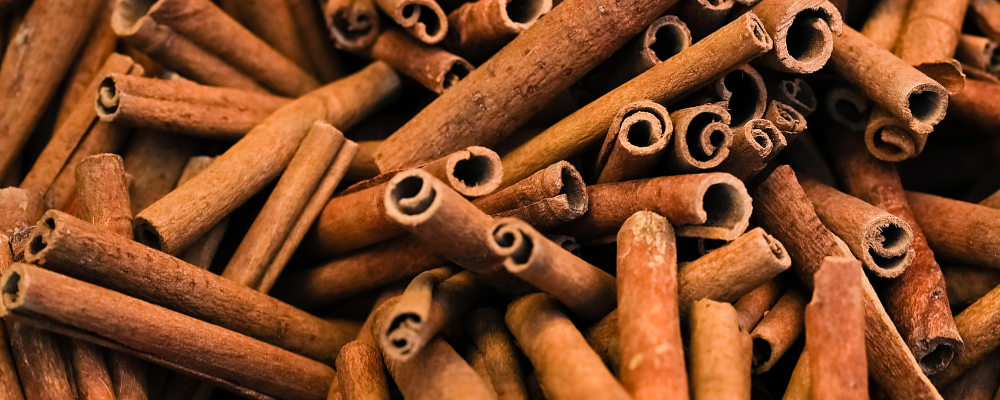
Rolled bark from Sri Lanka
Cinnamomum verum is an evergreen tree with leathery leaves marked by several prominent veins. Small pale flowers produce dark drupes. The inner bark of young branches provides the thin layers that roll up as they dry.
Kew accepts the species and places its native range in Sri Lanka. Cultivation subsequently spread it to several tropical regions. Kew, Cinnamomum verum.
Ceylon sticks consist of several thin layers. Cassias generally produce thicker, harder bark. Appearance provides a clue, while the botanical label remains the decisive reference.
The magical material is therefore a removed, dried, and rolled covering. It carries the memory of a trunk without showing the whole tree, making its provenance essential.
Cinnamon in the anointing oil
In chapter 30 of Exodus, fragrant cinnamon is one of the spices prescribed for the sacred anointing oil. The text gives precise weights for myrrh, cinnamon, fragrant cane, and cassia, mixed with olive oil.
The oil consecrates the Tent of Meeting, the ark, the table, the menorah, the altars, and the basin. Its composition remains reserved for the sanctuary and must not be reproduced for ordinary use. Exodus 30, sacred anointing oil.
Cinnamon is given a measured place here within a compound. It does not act alone. Its fragrance contributes to a formula, an authority, specific objects, and a prohibition against copying.
Consecration has a measure and a limit. The Cinnamon of Exodus belongs to a reserved composition, linked to a place and a function.
Herodotus's Cinnamon birds
In the 5th century BCE, Herodotus reports that large birds carry Cinnamon sticks to mud nests attached to inaccessible cliffs. The collectors place heavy pieces of meat nearby; the nests give way under the weight and yield the spice.
The story places Cinnamon in a land associated with the childhood of Dionysus and acknowledges that the exact place where it grows remains unknown. The spice arrives in Greece wrapped in distance and narration. Herodotus, Histories, Book 3, Chapter 111.
The bird makes the source inaccessible and transforms harvesting into a trial. The story protects the trade route as much as it amazes the listener. The person who buys it knows the fragrance, the price, and the story, but does not see the tree.
This distance explains Cinnamon's imaginative power. A material that comes from far away may be given fabulous guardians when its provenance remains controlled by intermediaries.
Pliny, the price and the secret of the routes
In the 1st century, Pliny takes up the stories of birds and winged creatures, then rejects them as inventions intended to drive up the price of Cinnamon and cassia.
His Book 12 then describes the supply routes, qualities, adulterations, and prices. Pliny criticizes the fable while transmitting other uncertain information about its origin. Pliny, Natural History, Book 12.
The mystery then changes guardians. The bird disappears and gives way to the merchant, the monopoly, and the label. Power lies with the one who controls the origin, quality, and narrative of the price.
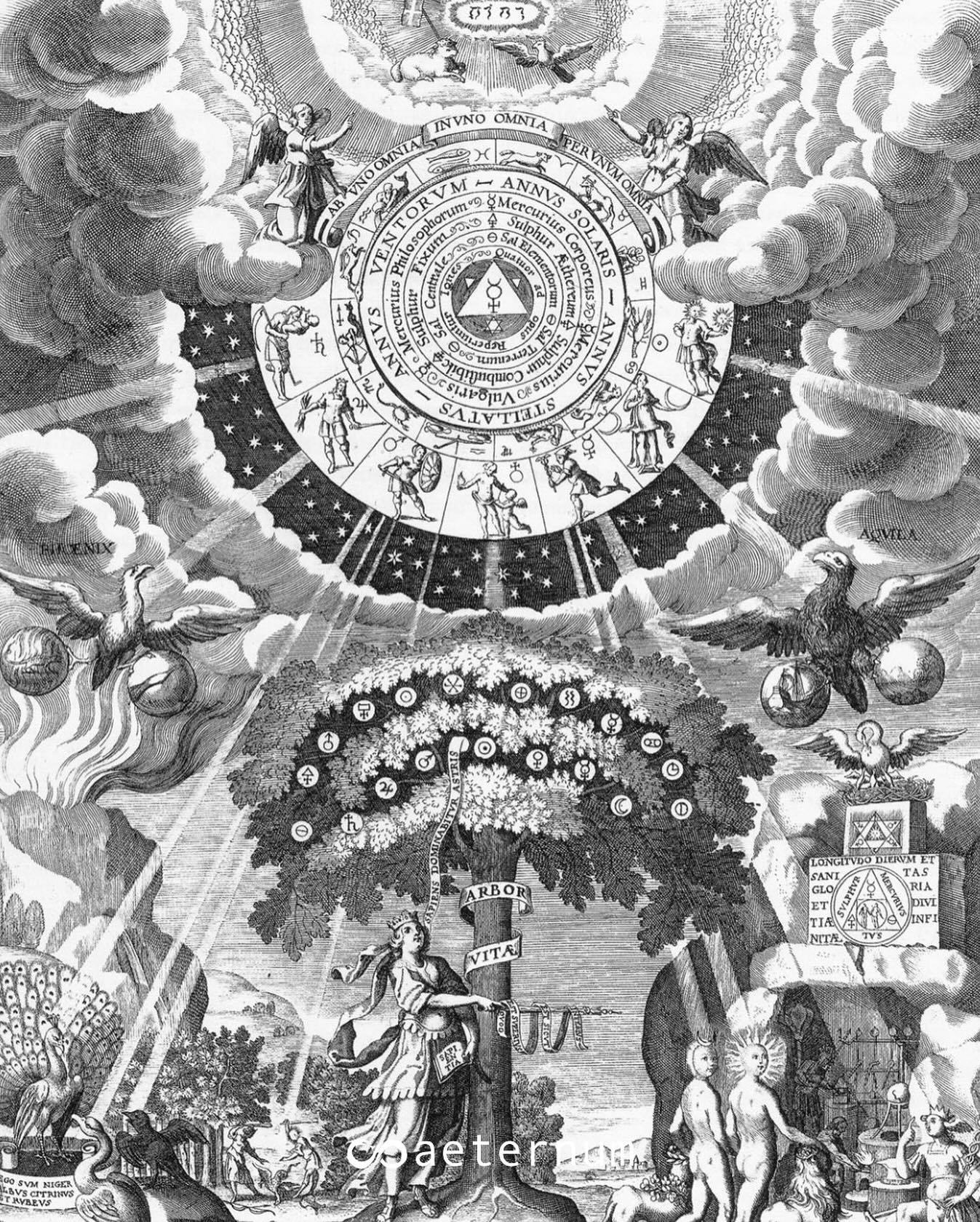
The magic of Cinnamon therefore requires following the chain. The botanical name, country, plant part, and seller form four seals. A fragrance without an origin remains an incomplete story.
Sealing an origin and a measurement
Draw a scroll of bark closed with four seals. In the first, write the exact name of the material. In the second, its place of origin. In the third, the person or source transmitting it. In the fourth, its destination.
Draw scales beneath the scroll. On one pan, place what you receive. On the other, note the real cost: money, time, debt, risk, or commitment.
Add a small empty nest above it. It represents the wonderful story that accompanies the material. Write the question that makes it possible to verify it without erasing its beauty.
Place the closed product on the left side of the page. Do not open the packaging. When the four seals are filled in, date the document and decide whether the provenance, measurement, and use form a fair agreement.
Historical correspondences
| Reference point | Correspondence |
|---|---|
| Botanical name | Cinnamomum verum J.Presl |
| Family | Lauraceae |
| Part used | Dried and rolled inner bark |
| Sacred source | Exodus 30, anointing oil reserved for the sanctuary |
| Ancient mystery | Herodotus's birds and Pliny's commercial criticism |
| Safe form | Drawn scroll, scales, and closed product |