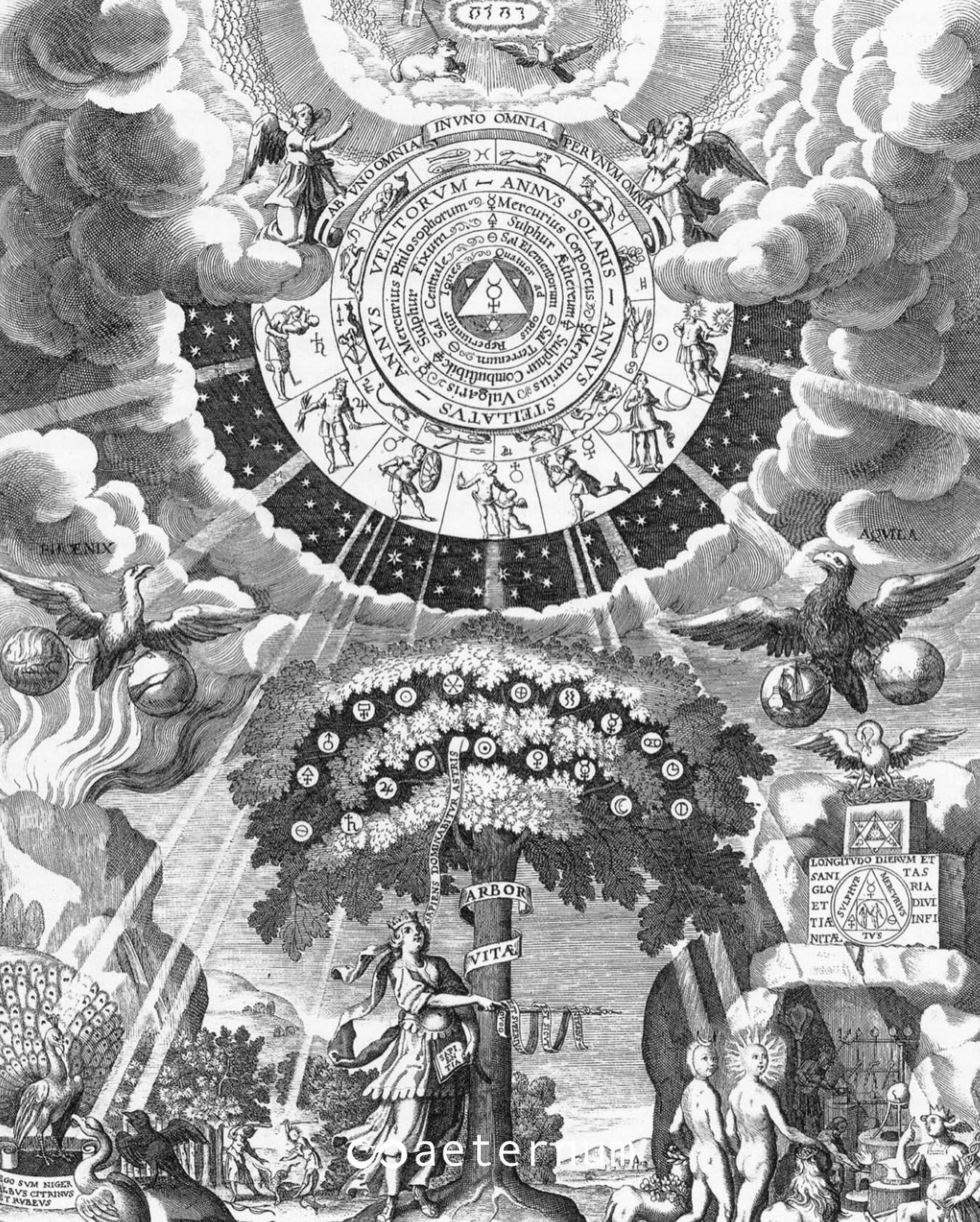






























































































Historically, the pentacle is not simply a pentagram enclosed by a circle. In European magical traditions, the word refers to a talismanic figure designed for a specific purpose: it may combine geometry, divine names, letters, verses, characters, and planetary correspondences. The modern image of the circled pentagram is indeed part of the history of the pentacle, but it is only one form within a much broader body of forms.
| Historical meaning | A figure or talismanic support designed for a ritual purpose |
|---|---|
| Possible elements | Divine names, letters, verses, characters, circles, squares, stars, and other geometric forms |
| Major tradition | Solomonic magic and European ceremonial literature |
| Very common modern form | Pentagram inscribed in a circle |
| To be distinguished from | The pentagram, which is first and foremost a geometric figure with five points |
What is a pentacle in the historical sense?
In ceremonial magic texts, a pentacle is less a fixed shape than a graphic object invested with a function. It may be drawn on parchment, engraved on metal, inscribed within a circle, or organized around a sacred name. Geometry matters, but it does not act alone within the text's logic: letters, names, prayers, and manufacturing instructions belong to the same whole.
This definition explains why two pentacles may have almost nothing in common visually. One may display a star, another a square, and a third a combination of characters and concentric circles. Their relationship comes from their talismanic role and the manuscript tradition that transmits them. Reducing the word to a five-pointed star therefore erases a large part of the historical record.
The confusion is reinforced by the similarity between the words pentacle and pentagram. The pentagram has a precise definition: it is the star formed by five intersecting segments. The pentacle, by contrast, belongs to the vocabulary of consecrated or talismanic figures. A pentagram may form part of a pentacle, but not every pentacle is a pentagram.
What do the traditions of the Key of Solomon reveal?
The Key of Solomon is an essential reference for understanding the word. This text does not exist as a single perfectly fixed original: it circulates in several manuscript families and in several languages, with differences in content, order, and design. The British Library preserves in Harley MS 5596 a magical treatise of Solomon in Greek from the 15th century, an early witness to this vast Solomonic tradition.
The series of pentacles known from modern editions should therefore not be treated as an immutable collection transmitted without change. The comparative study published by Esoteric Archives shows that the order of the pentacles varies considerably between manuscripts. The older witnesses do not all assign each figure to a planet, while later manuscripts rearrange and expand the series.
This point is essential for a shop or grimoire presenting pentacles of Saturn, Jupiter, Mars, the Sun, Venus, Mercury, or the Moon. These categories genuinely belong to Solomonic traditions, but their designs and classification require a precise source. A faithful reproduction should therefore be linked to an identifiable manuscript, edition, or editorial lineage.
The connection with the Seal of Solomon also deserves a clear distinction. “Seal of Solomon” initially refers to a legendary tradition linked to King Solomon's authority and his ring. “Pentacle” refers to a category of ritual figures. The two realms meet in Solomonic magic without being synonyms.
How is a pentacle composed and used?
Ceremonial texts associate the figure with a method of manufacture. The material may be chosen according to the intended purpose; the color, time of making, inscribed names, and prayers are given a defined place. The pentacle is thus conceived as a whole in which material, text, and design converge toward the same ritual purpose.
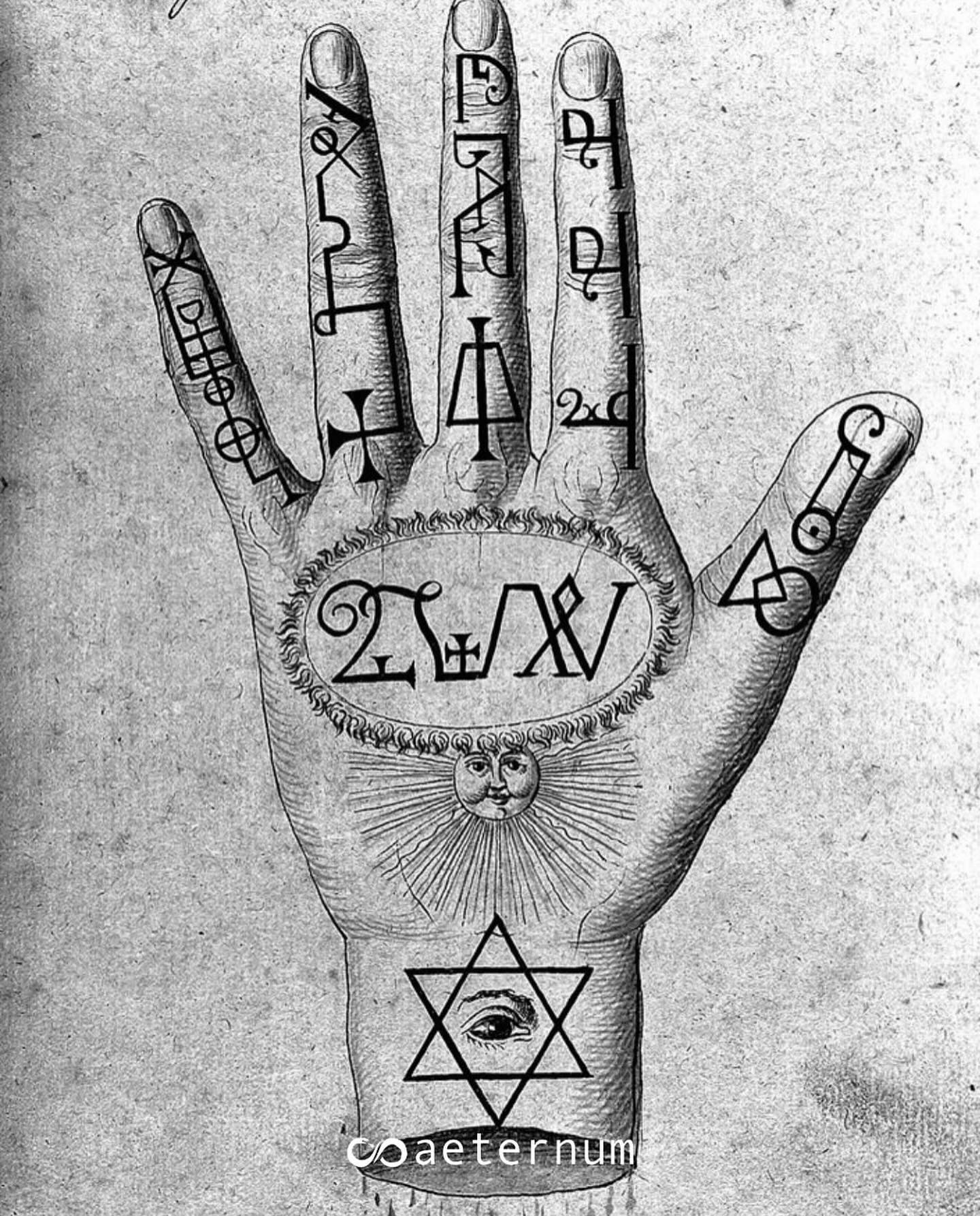
Divine names occupy a central place in many Western pentacles. They appear in Hebrew, Latin, or transliterated forms, associated with biblical passages, angels, characters, or geometric figures. Within the logic of these texts, the power of the pentacle does not come from an autonomous decorative motif: it is connected to the name, sacred authority, and ritual structure in which the sign takes its place.
The work attributed to Agrippa and known under the title Fourth Book of Occult Philosophy offers an illuminating definition of pentacles and sigils: it describes figures composed of characters, sacred names, images, and verses placed within geometric frameworks. Although the attribution of this fourth book to Agrippa has long been debated, the text clearly testifies to how early modern ceremonial magic understood the composition of a pentacle.
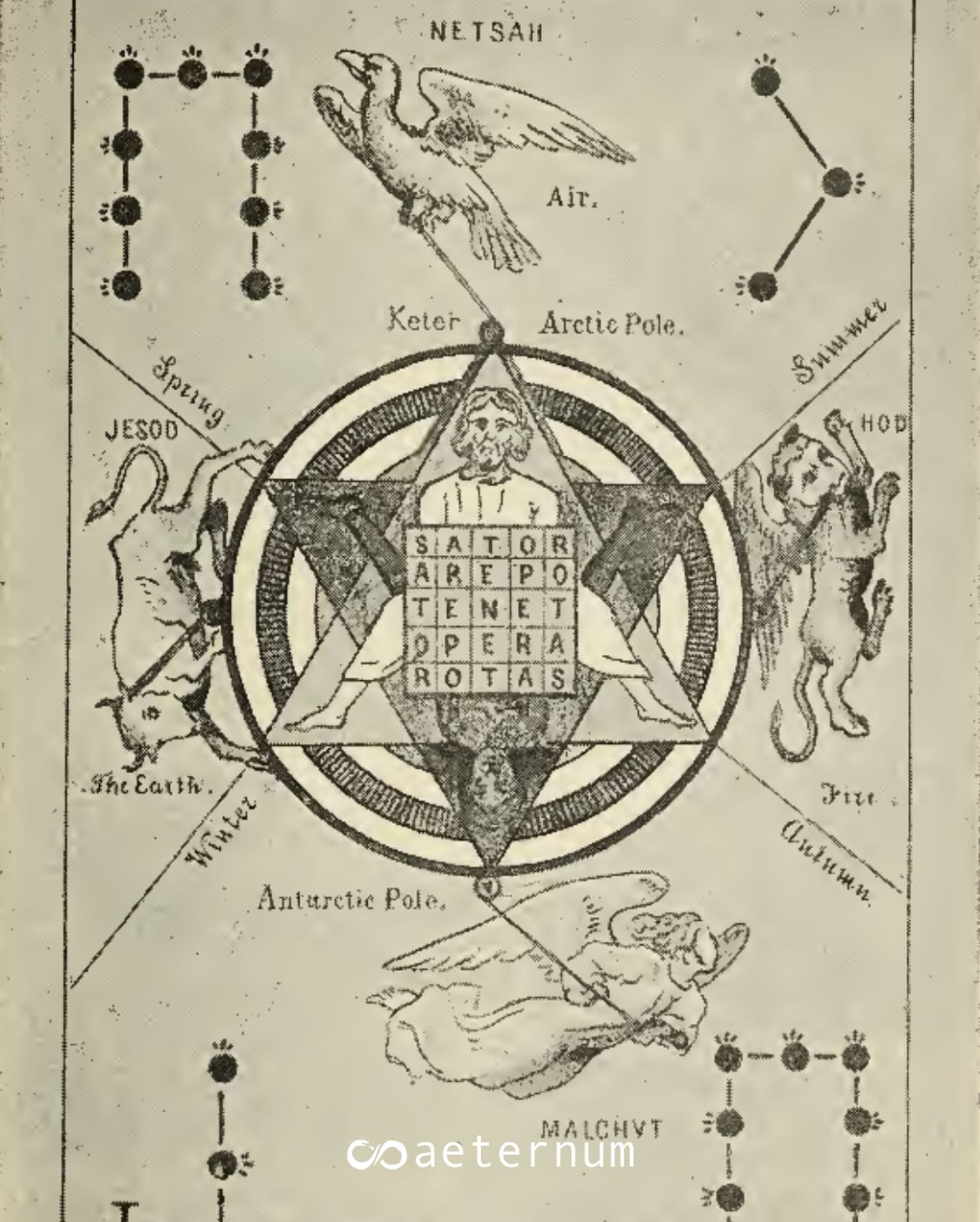
Geometry, therefore, should never be read in isolation. A circle may contain and delimit; a square may organize names or numbers; a star may connect the figure to a numerical or planetary value. For elemental signs, the triangles of fire, water, air, and earth belong to another history, but they likewise show how a simple form can acquire a specific role within a system of correspondences.
Why did the pentacle become a pentagram in a circle?
In the contemporary era, the circled pentagram became the most recognizable image of the pentacle. This convention spread through modern occultism, then through Neopaganism and Wicca. The circle may express unity, wholeness, or delimitation, while the five points are interpreted through the four elements and spirit.
This form is legitimate within these traditions, but it cannot be projected onto all earlier centuries. Historical Solomonic pentacles display much more varied compositions. Some contain six-pointed stars, crosses, squares, characters, texts, or circular architectures that bear no resemblance to the modern circled pentagram.
The distinction also makes it easier to understand contemporary jewelry and objects. A pendant bearing a pentagram within a circle may be called a pentacle according to current usage. When studying a ceremonial magic manuscript, however, the same word must be understood in a broader sense. Lexical context matters as much as the design.
How can a pentacle be identified and interpreted accurately?
The first question is not “what does this shape mean?” but “where does this figure come from?” A reliable pentacle can be traced to a specific manuscript, edition, or tradition. Its identification rests on the arrangement of the letters, the presence of names, the number of circles, the planet assigned to it, the text accompanying it, and its position within the series.
The second step is to check the reproduction. A displaced letter, an arbitrarily corrected name, or a star added to make the image more appealing can transform the character of the design. In content devoted to symbols, it is better to show the difference between two versions than to merge their elements into a modern synthesis.
Finally, the pentacle should be read as an object of tradition rather than as a logo with a fixed meaning. The same term encompasses different figures because it describes a function and a ritual category. This is precisely what makes the subject so interesting: it requires the source, text, material, and geometry to be considered together.
Sources and historical references
The British Library preserves in Harley MS 5596 a magical treatise of Solomon in Greek dated to the 15th century. For variants of the Clavicula Salomonis and differences between the pentacle series, see the comparative edition by Esoteric Archives. For a Renaissance definition of pentacles composed of characters, names, images, and verses, see the Fourth Book of Occult Philosophy, a work formerly attributed to Agrippa.