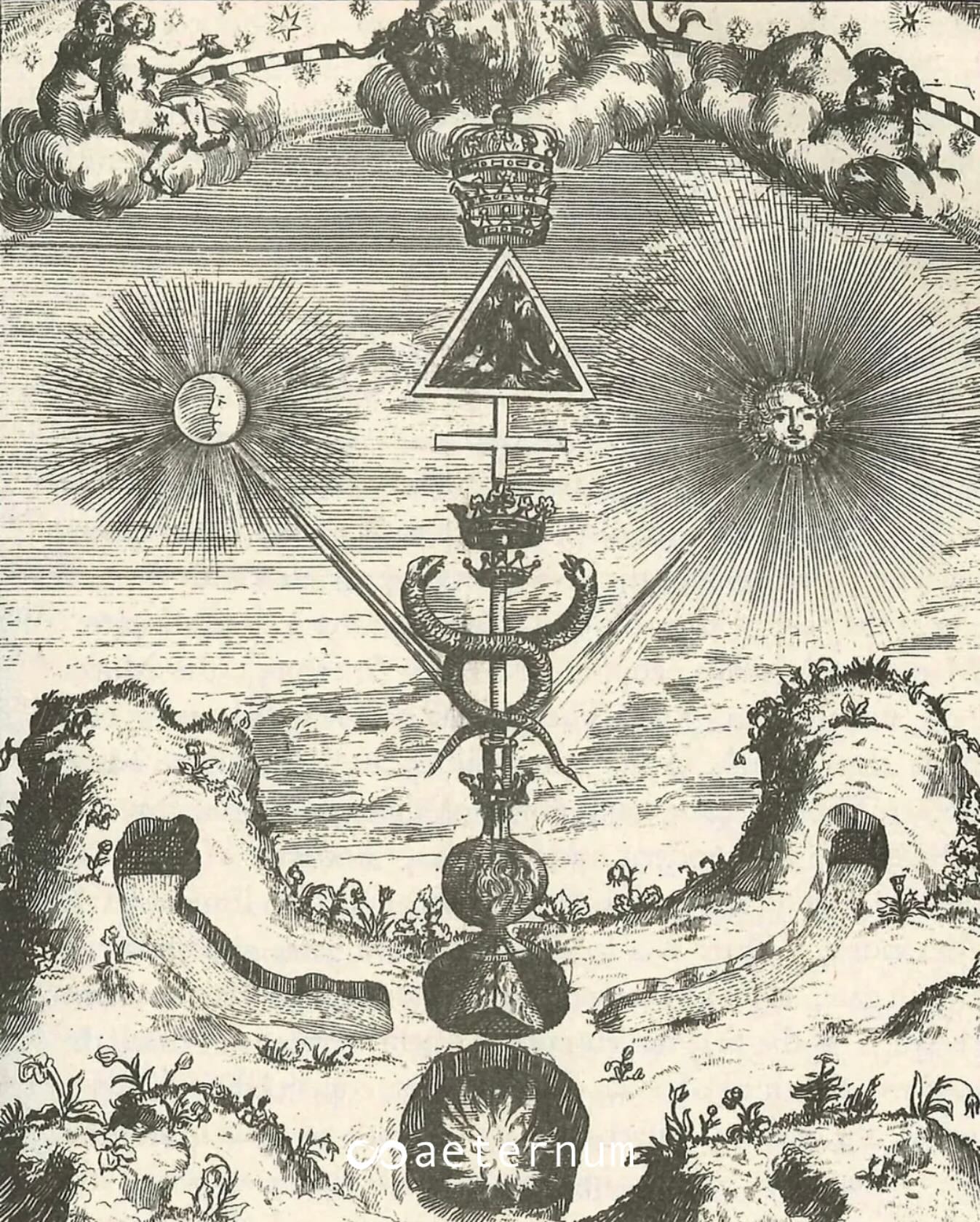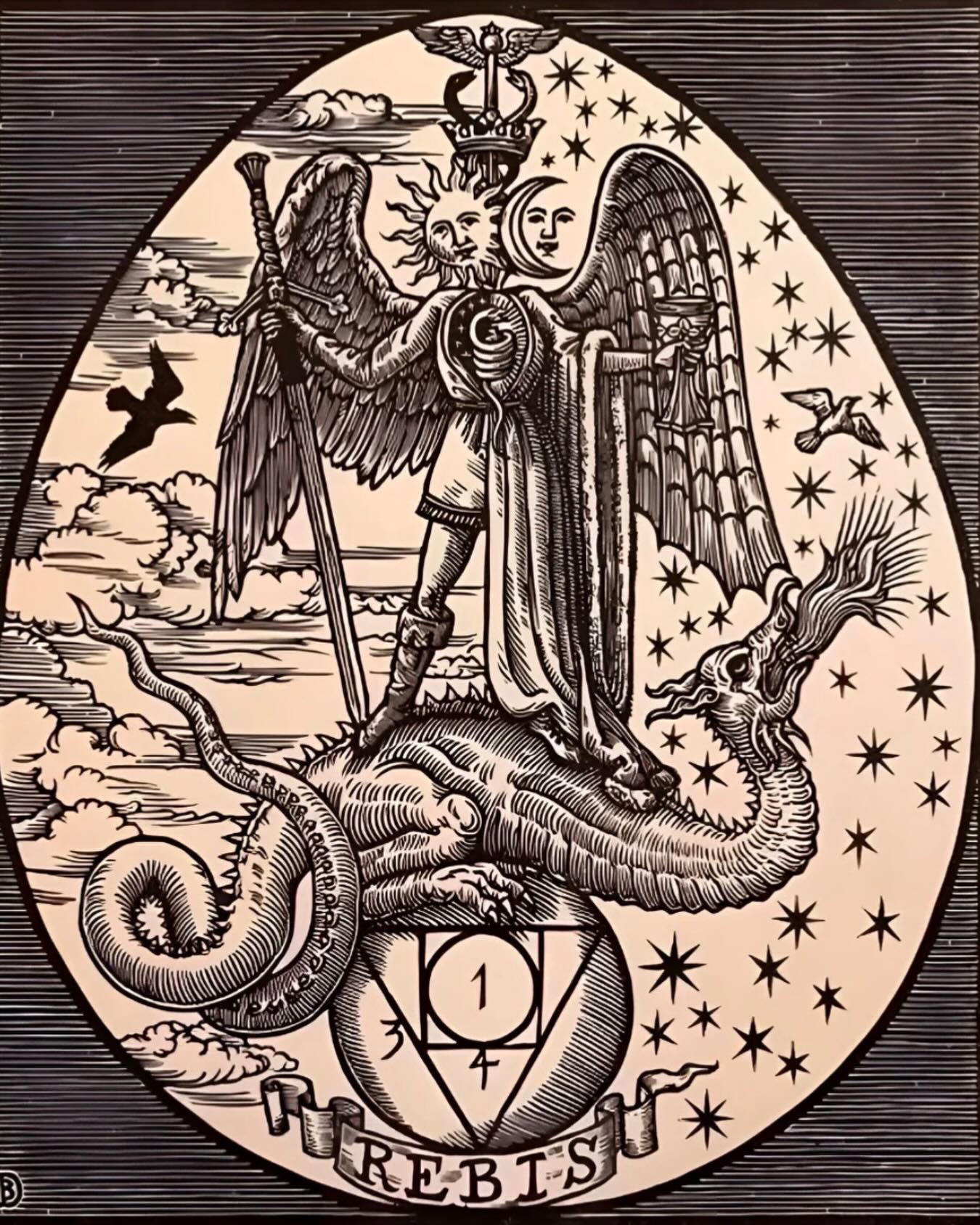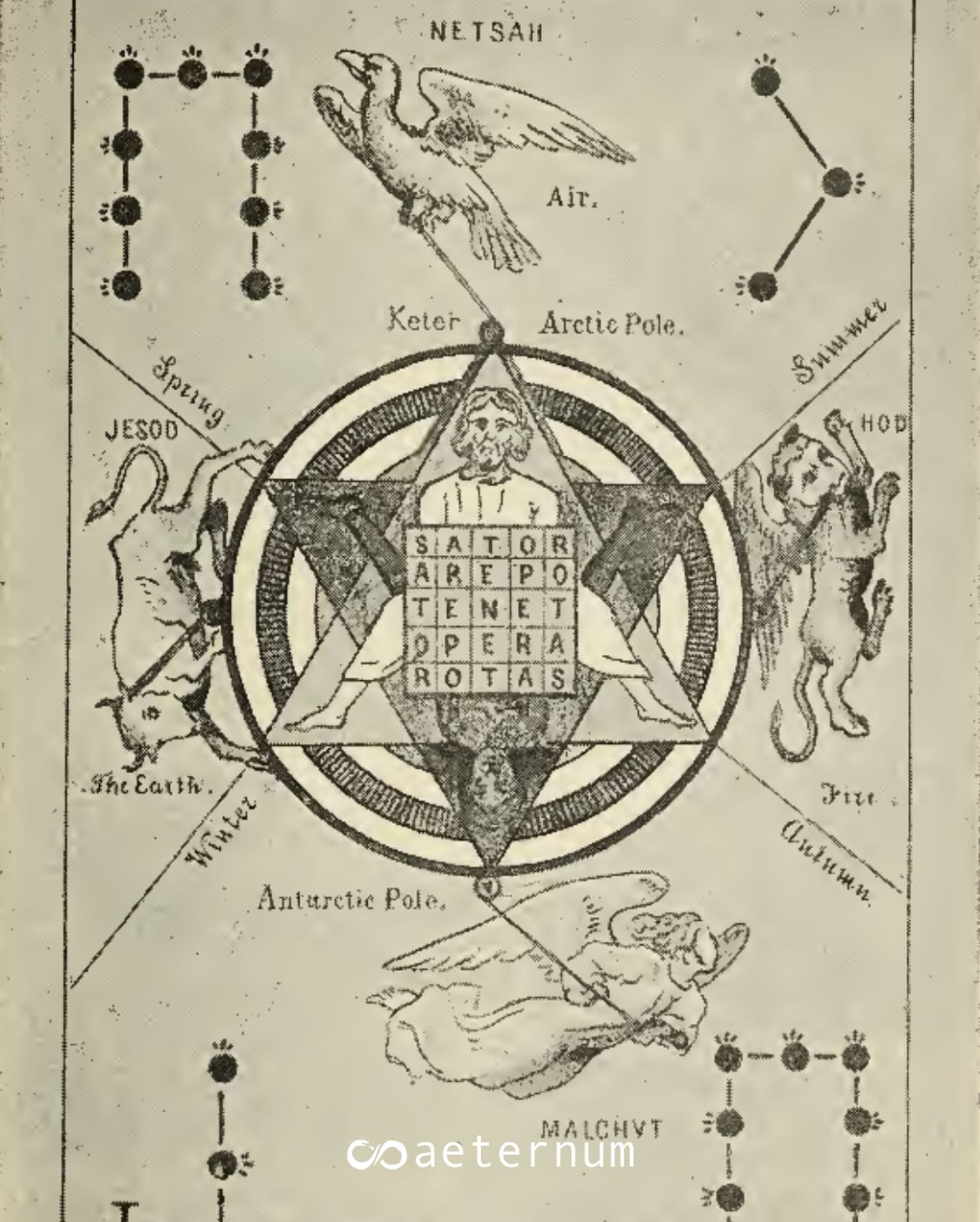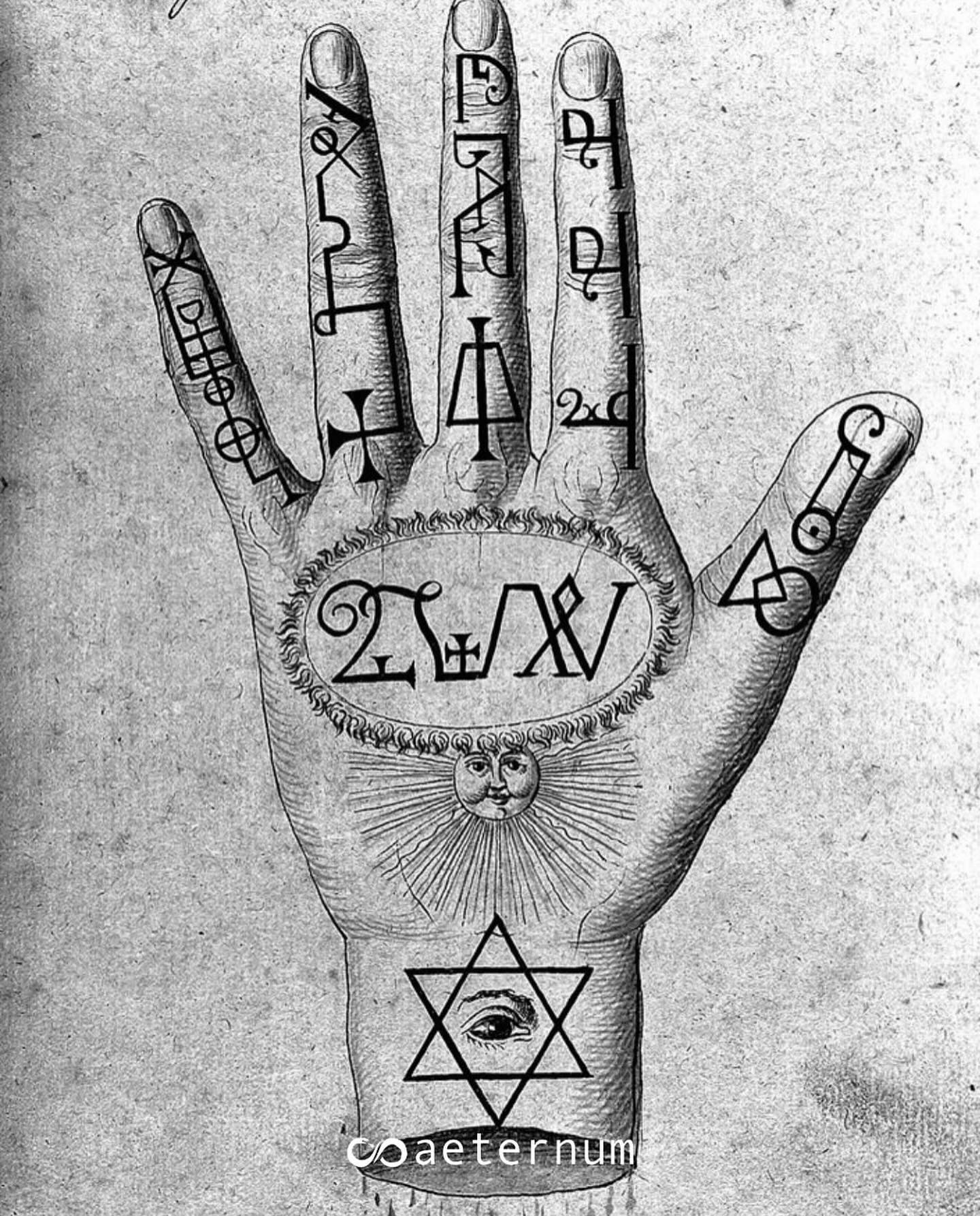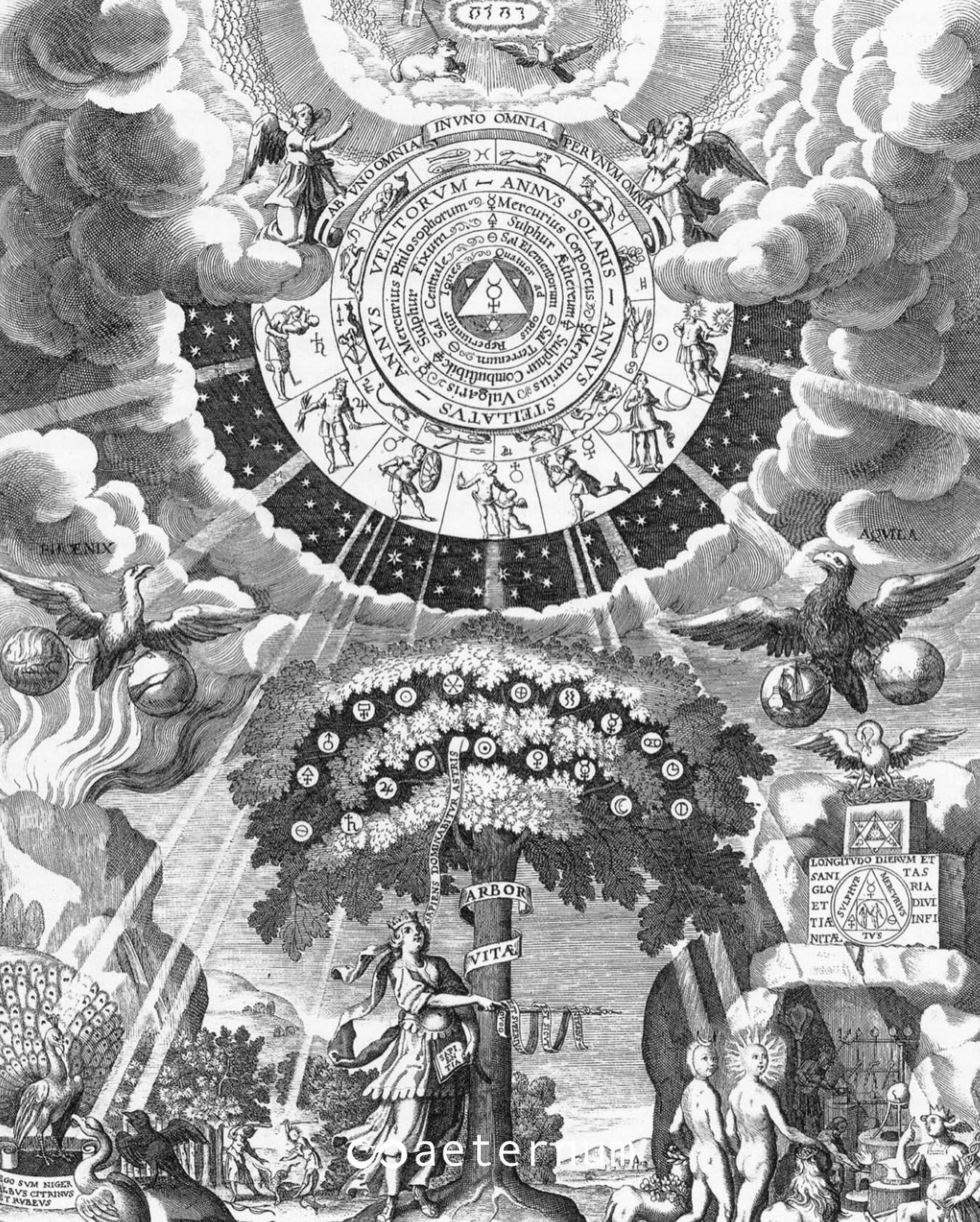





























































































Tarot cards have their roots in the playing card games of 15th century Europe. They evolved over time to become a divination tool in the 18th century, with meanings and symbolism enriched by elements of medieval mysticism, Kabbalah, alchemy, and astrology. In contrast, oracle cards became popular as a divinatory tool much more recently, with major diversification in the 19th and 20th centuries. Oracle cards do not follow a universal symbolic system and can be based on a wide variety of concepts and themes.
Indeed, a standard tarot deck includes 78 cards, divided into Major Arcana (22 cards) and Minor Arcana (56 cards). The Major Arcana symbolize major spiritual lessons and archetypes, while the Minor Arcana, divided into four suits (cups, wands, swords, and pentacles), represent everyday experiences. Each tarot card has its own meaning and traditional position that influence its interpretation. Conversely, oracle decks have no predefined number or structure of cards. Oracle card themes are extremely varied, ranging from angelology to spiritual guidance and natural elements, thus offering great freedom of interpretation based on the card text, images, and the reader’s intuition.